Week 49/2026
Keine Zeit für Zufall


NSFW (Nikolaus' Song For the Week)
This week's song is from Nichtseattle or Katharina Kollmann and comes from her recent album "große liebe" (in lowercase letters) that is so warmly praised by many people, among them the much-admired Sophie Hunger on Instagram: "Ich mit Brille" .
I needed to hear it several times in order to understand its potential, but I am very much in love with it now. What a nice and ironic little story about relationships, ageing and disappearing youth.
Laut.de and musikexpress write about her.
Retrospect
Austrian School of Government
I spent two very interesting hours at the Austrian School of Government, speaking about European and Austrian AI regulation.
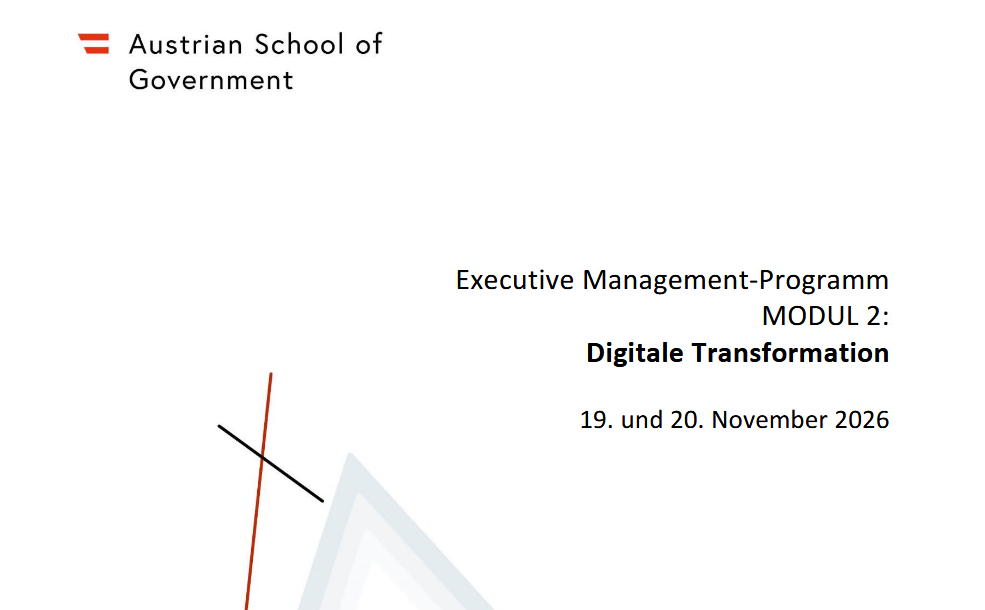
The audience consisted of senior staff (heads of unit and above) across all branches of the Austrian administration.
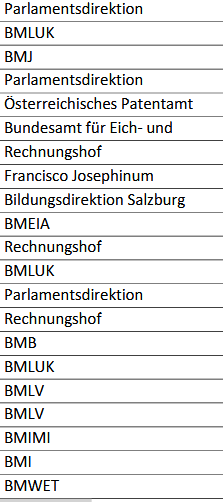
It was an outstandingly senior, experienced, advanced and interested audience. I had to (re)write most of my presentation a few hours before we started because state secretary's Pröll had presented the new (draft) Austrian AI strategy the day before which I put very much into the center of my thoughts.
AI Health Vienna 2026
The Comprehensive Center for AI in Medicine published a conference report (with lots of pictures) on the AI Health Vienna 2026 that took place a few weeks ago (see Weekly 43/2026).
Data Protection and AI in Liechtenstein
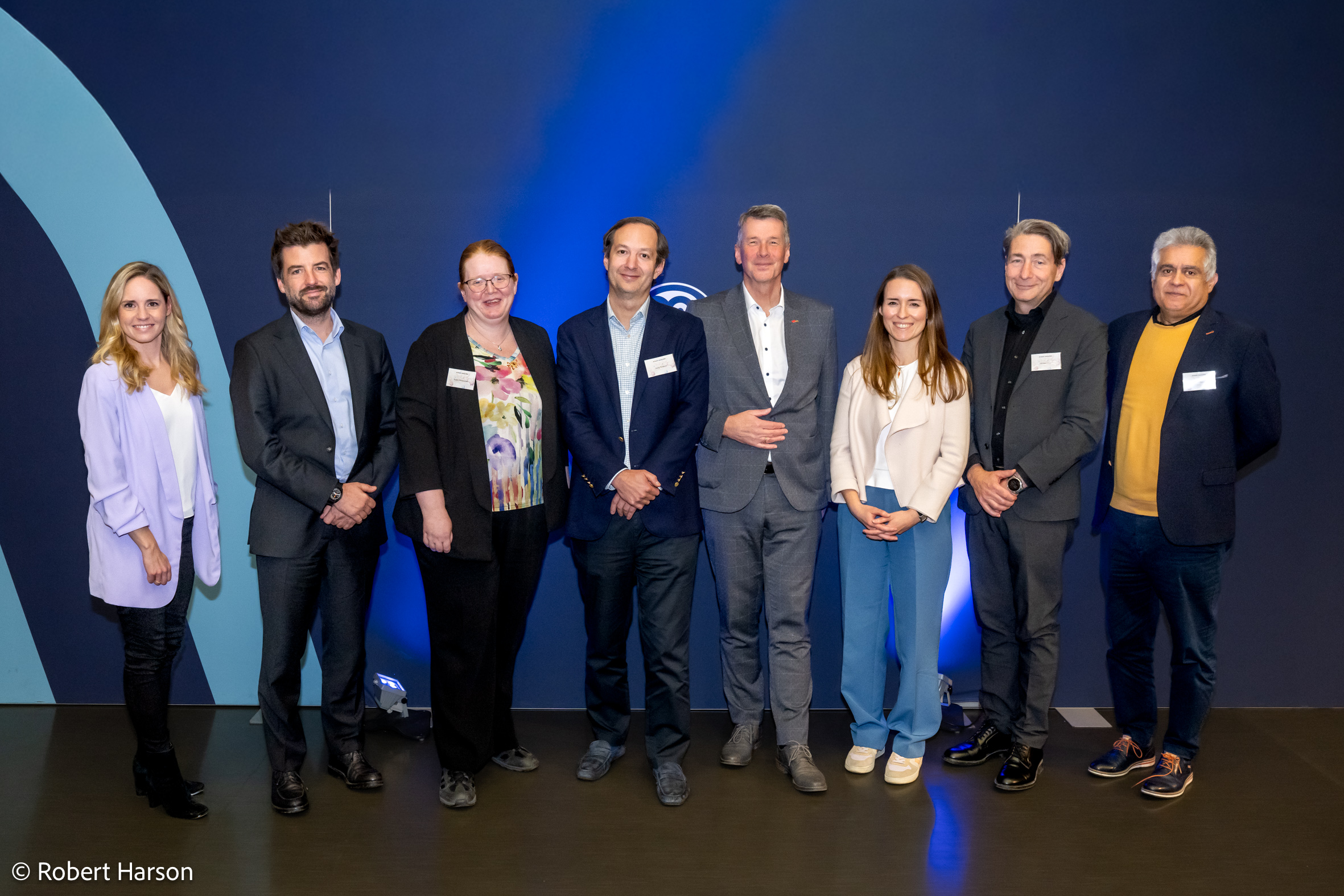
Gemeindesaal Triesen is a nice venue
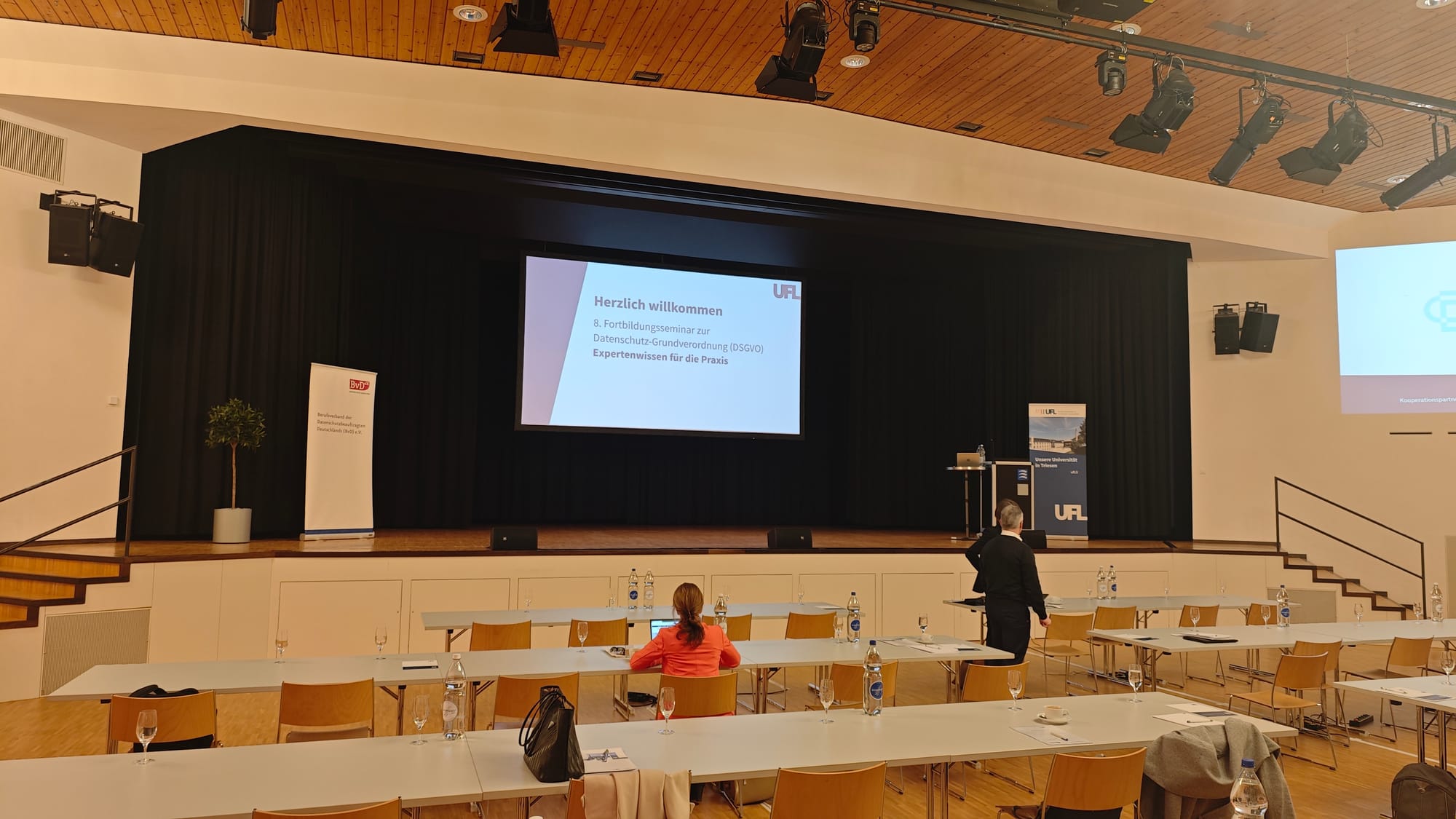
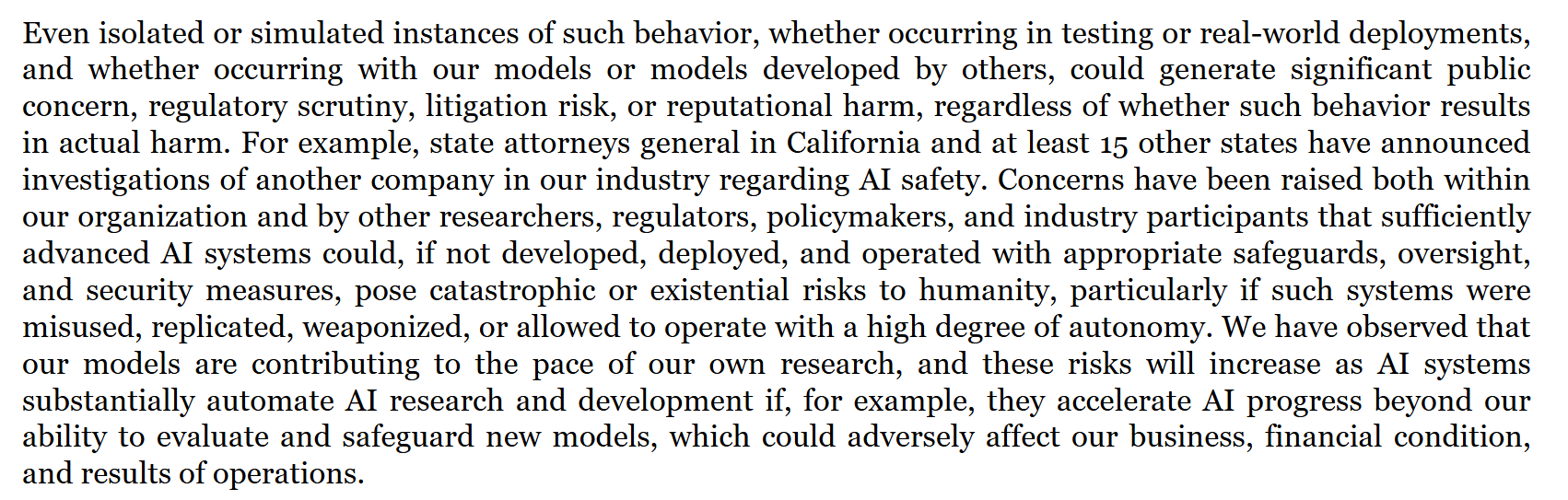
and data protection and compliance in Liechtenstein is a nice topic. It was a pleasure to be there at the Data Protection Seminar again and I learned a lot from Prof. Dr. Marie-Louise Gächter, head of the Data Protection Authority in Liechtenstein, who spoke about deepfakes, art. 50 AI Act and the regulatory race between AI developments and legislation. I appreciated, in particular, her analysis of Anthropic's stock exchange prospectus which identifies "catastrophic or existential risks to humanity, particularly if such systems were misused, replicated, weaponized, or allowed to operate with a high degree of autonomy" (page 31).
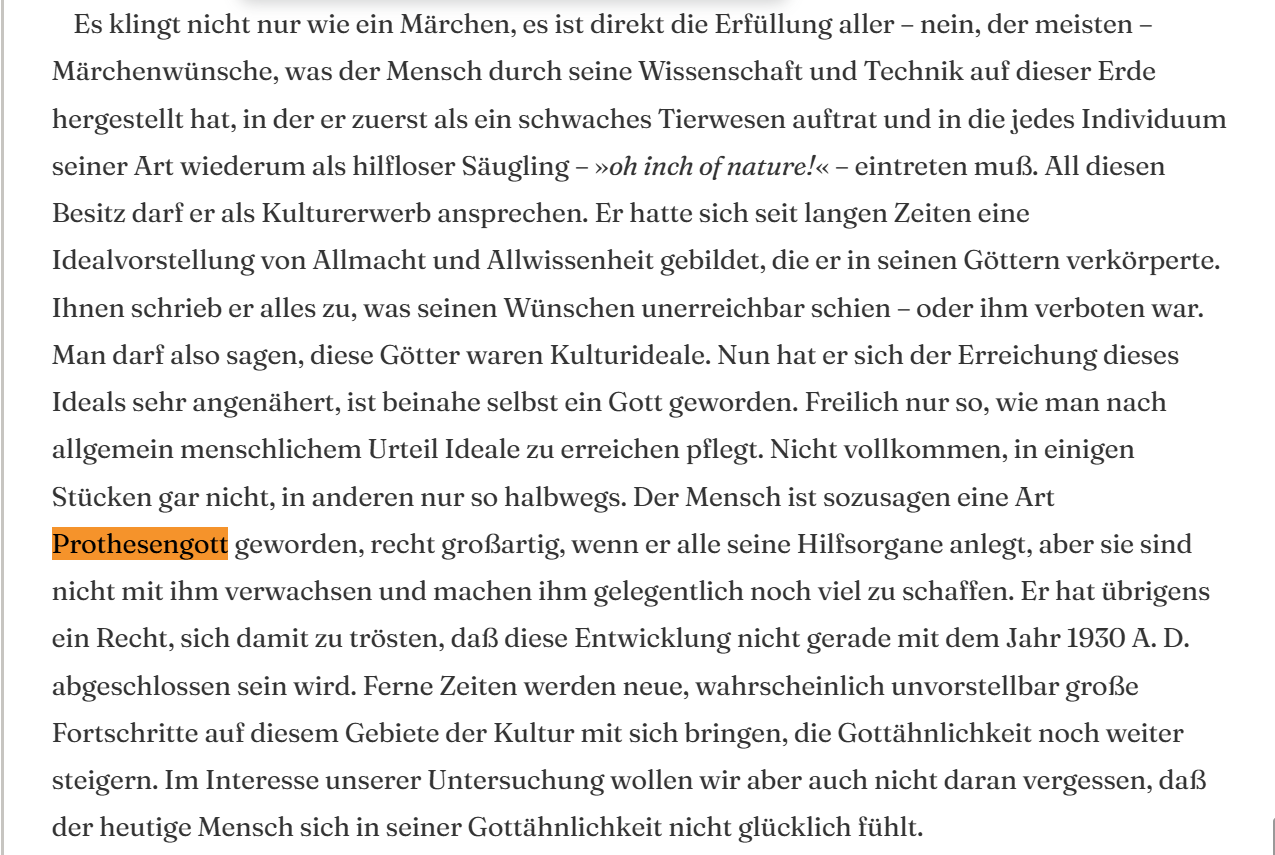
I was also very intrigued (and challenged) by a panel debate/interview/word rap organised by Dr. Marco Dworschak, who asked me very tough and rewarding questions on AI and public administration and used, inter alia, Sigmund Freud's "Prothesengott", described in "Das Unbehagen in der Kultur", as a reference point (here's the relevant chapter).
There's more about my presentation on LinkedIn, thanks to Liv Victoria Vickery "Liechtensteiner Vaterland" brought a report about the event in print.
AI in the media
A special episode of "ECO", broadcast on Thursday late evening, deals with AI and economics, uses Goethe's Der Zauberlehrling as central metaphor and includes interviews with Austrian experts such as Mark Coeckelbergh, Agnes Kügler, Thomas Lohninger (and me)


and News refers to my recent interview with KI Kompass.
Prospect
Court-Appointed Experts and AI
As the event in Salzburg was overbooked, there will be a follow-up event in Vienna with the same agenda on Monday, November 30th (which is already sold out as well).
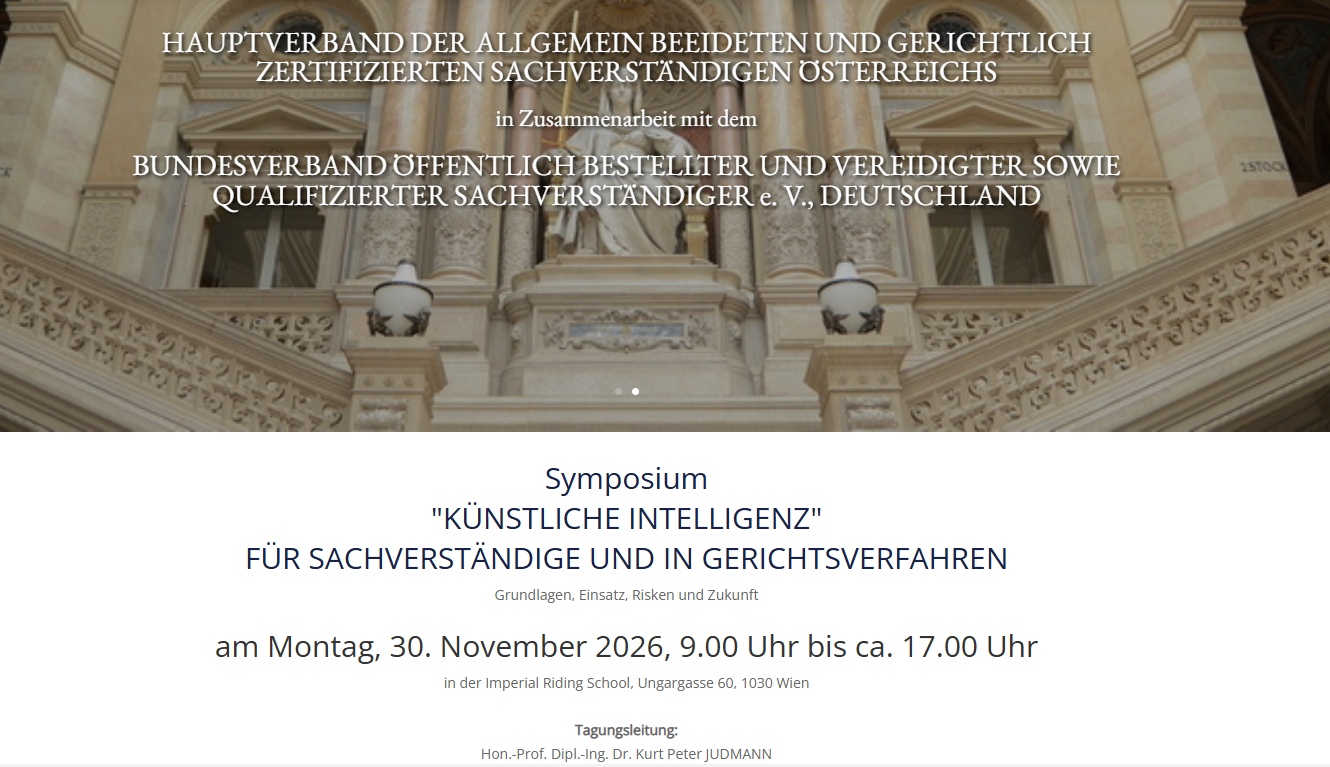
Although it's only two weeks since the event in Salzburg and my topic stays the same ("KI-Regulierung in Europa – Perspektive auf die Gerichtsbarkeit"), I will need to rewrite many parts of my presentation due to recent developments, including Austria's AI strategy.
Data Protection Advisory Committee
The "Datenschutzrat" has a regular meeting on Tuesday, December 1st, so that I will be in the beautiful Sala Terrena of Palais Trautson (which, unusually, is not on ground floor, but on the first floor) again.
Cyberspace Brno
It's this time of the year again, when the legal informatics and IT law communities come together at Masaryk University in Brno for the Cyberspace conference.
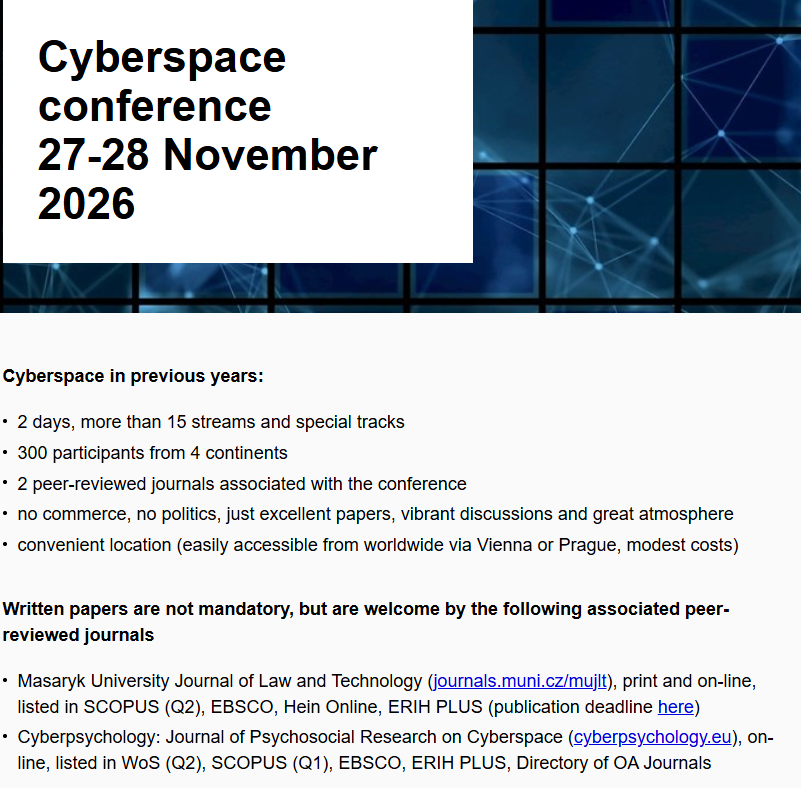
This is an outstandingly nice event, with many young (and some older) academics discussing very openly and freely. I will chair three sessions dealing with "New EU Digital Regulatory Framework: Challenges and Opportunities" on Saturday November 28th and would love to see some of you there; I am quite sure that late registrations are still possible.
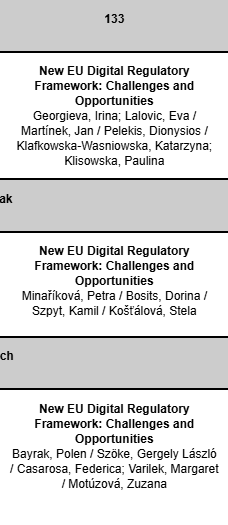
Here's the full programme with abstracts.
Semester Question
On Friday, December 11th, I will be on stage together with one of my role models, Prof. Dr. Michael Wagner.
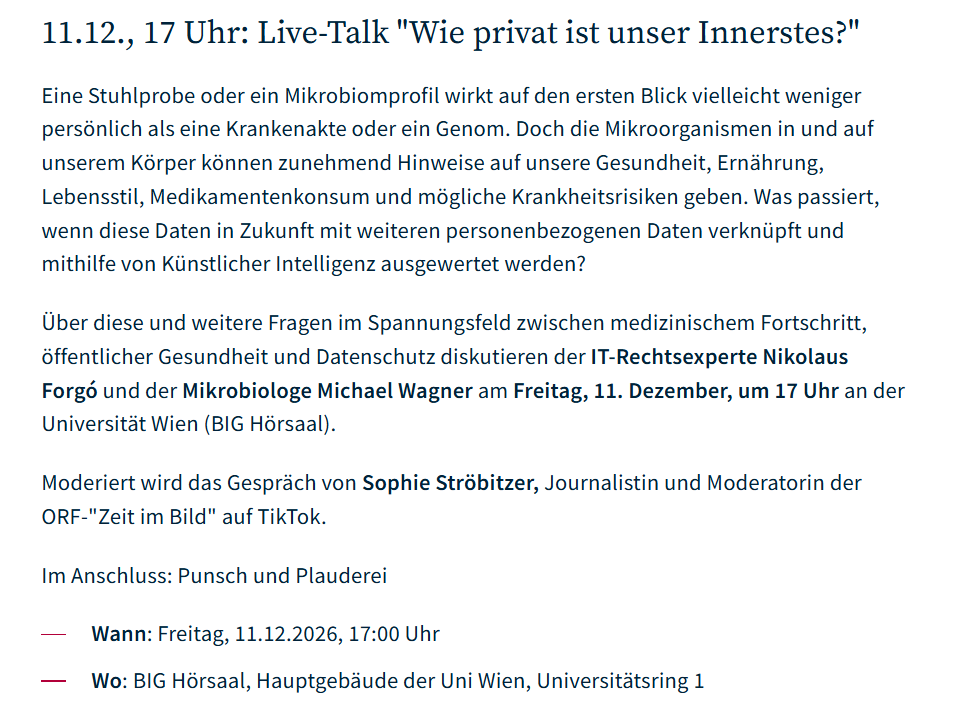
Free registration, no stream.
Here's more about the event series, and UNIVIE has a nice Instagram reel about our event:
They recently made another reel with me as well.
Look and Feel
Bureaucracy
Thanks to a hint given by Die Neuen Zwanziger - Der Salon (in which the two hosts manage to talk two hours about the book!) I am currently reading a book about bureaucracy and bureaucracy reduction that is very noteworthy.
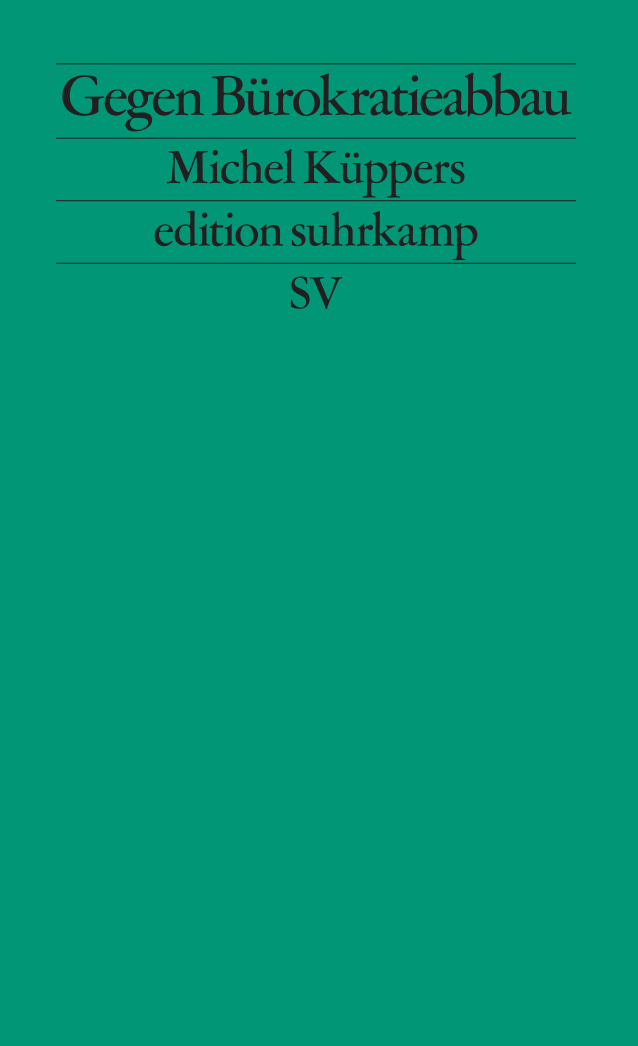
The author, Michel Küppers, a legal historian, makes the argument that bureaucracy helps to balance and tame conflicting political interests and that less bureaucracy means less balancing of these interests and more "survival of the fittest". He also claims that the dismantling of bureaucracy has often also meant the dismantling of social security.
I like the line of arguments which, however, in quite sharp contrast to what one can see when looking at European regulations in my field. Kai Zenner, who worls for the conservative MEP Axel Voss, published two very impressive charts (and a noteworthy study) on the sheer amount of European legal acts and regulators (just) in my field of law. The "green wall" consists of no fewer than 171 laws in the domain,
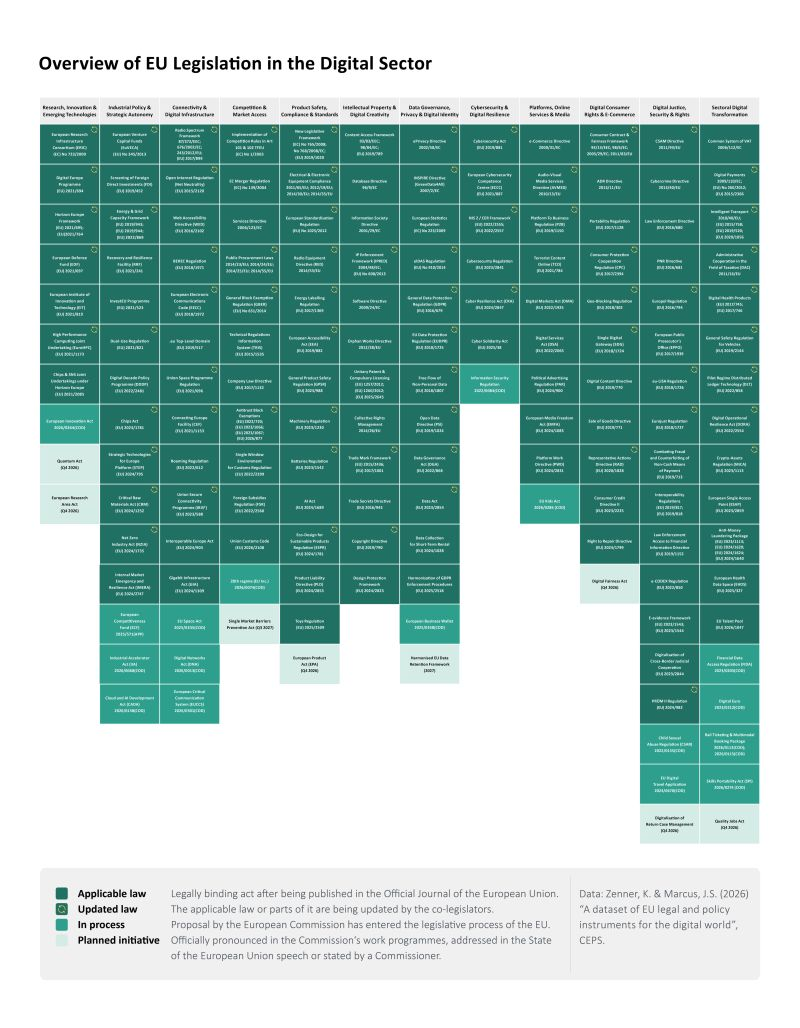
many of them currently under review or under reform, and sits on a governance iceberg of 341 bodies and Commission units holding 677 governance mandates.
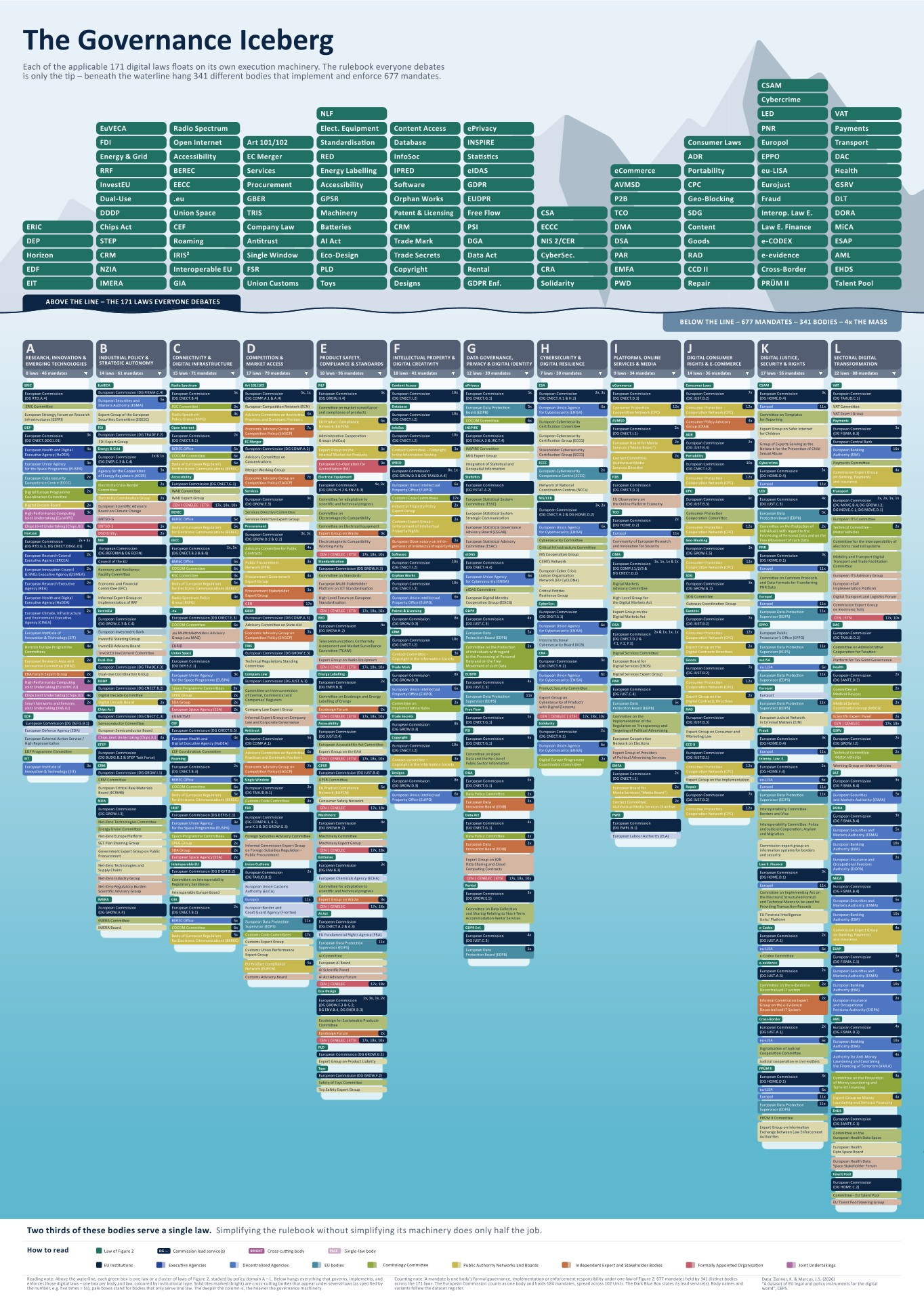
He counts, for example, nine different bodies/mandates for the AI Act alone - and at European level only. Multiply this by 27 member states and significant delays in national implementation (Austria included) and you end up in a deep, deep jungle.
My hypothesis is that Küppers and Zenner are both right with their contradictory positions and that this can be because European laws no longer manage to control and solve conflicting interests but but merely cover them with text and leave it to others to resolve them.
Ralf Bendrath, former assistant to Jan Philipp Albrecht and one of the authors of the GDPR, gave an interesting presentation on reducing bureaucracy in data protection and AI via the Digital Omnibus recently.
 KIWoche_lfdi
It fits into the picture (and will, again, keep people like me busy for the months to come) that the European Commission published its proposal for a Quantum act on November 25th.
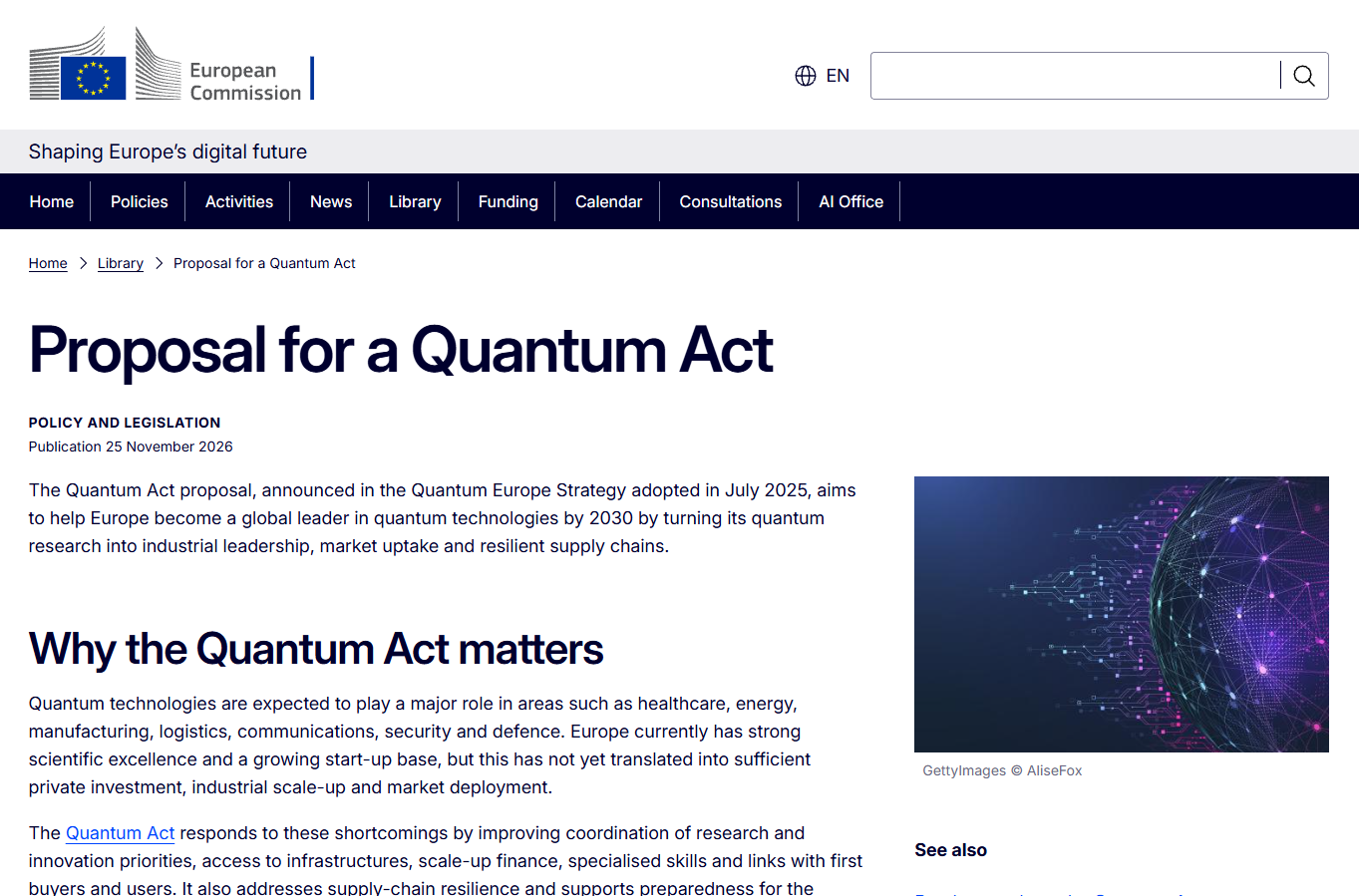
The act on its own has about 40 pages, together with complementary material it's another 200 pages to read. It entails a Quantum Europe Framework Initiative (art. 3), a Quantum excellence network (art. 5), a European Quantum Service Platform for Science and Industry (art. 8), Quantum Technology and Innovation Hubs (art. 14), European Quantum Regions of Excellence (art. 15), a Network of European Quantum Regions of Excellence (art. 16), Quantum competence and acceleration centres (art. 17), a Quantum Strategy Board (art. 29), a European Quantum Alliance (art. 32) and, of course, plenty of delegated powers for the Commission.
I will need to read this after having finished reading the proposal for a Digital Fairness Act (71 pages) from two weeks ago.
Here's the press conference presenting the DFA:
Everybody is writing, nobody is reading
This is a funny Substack post about the fact that everybody writes Substack posts (or Ghost posts or essays or Instagram posts or a book) nowadays that nobody reads.
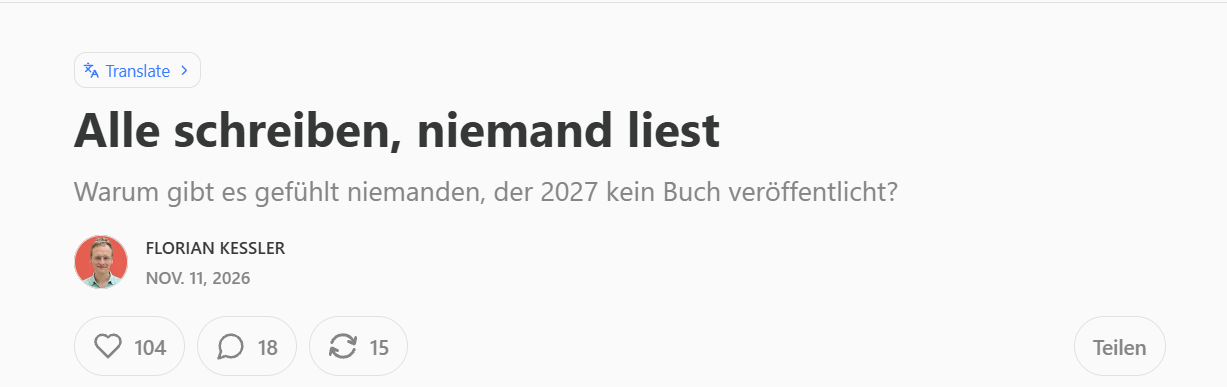
I also owe this recommendation Die Neuen Zwanziger-Der Salon.
Alfred J. Noll
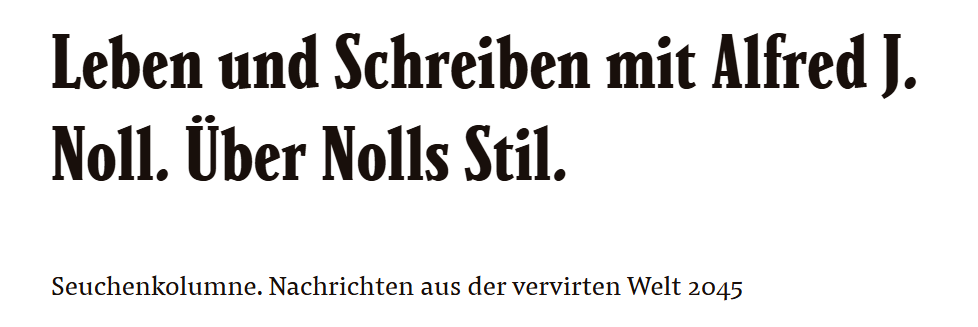
The Ministry of Justice organised a symposion for Alfred J. Noll this week (that I could not attend due to a scheduling conflict). Armin Thurnher wrote another beautiful text about him on to this occasion.
Have a wonderful week and take care of yourself!
Kind regards
Nikolaus (Forgó)