Week 43/2026
Tout peut s'oublier


NSFW (Nikolaus' Song For The Week)
This week's song is one of probably 1 Million interpretations of an old time classic:
I like it not only because the temple on the cover reminds me of Kinkaku-ji in Kyoto (the golden temple) but also because it's a "fresh" interpretation that can be heard very well when cruising through an autumn night.
The track is from 2016 and the artist "M. H. project" is authenticated on Spotify, so let's hope that there's a real human behind this project and not an AI, although there is only very little information about him on the internet (or on Facebook).
More on and of Brel's beautiful and haunting original is in Weekly 42/2025. And here's, just to remember, one of the many originals, 48 years after his death from lung cancer (#fuckcancer) on October 9th 1978. He was only 49 years old.
Retrospect
Manz Data Protection Seminar
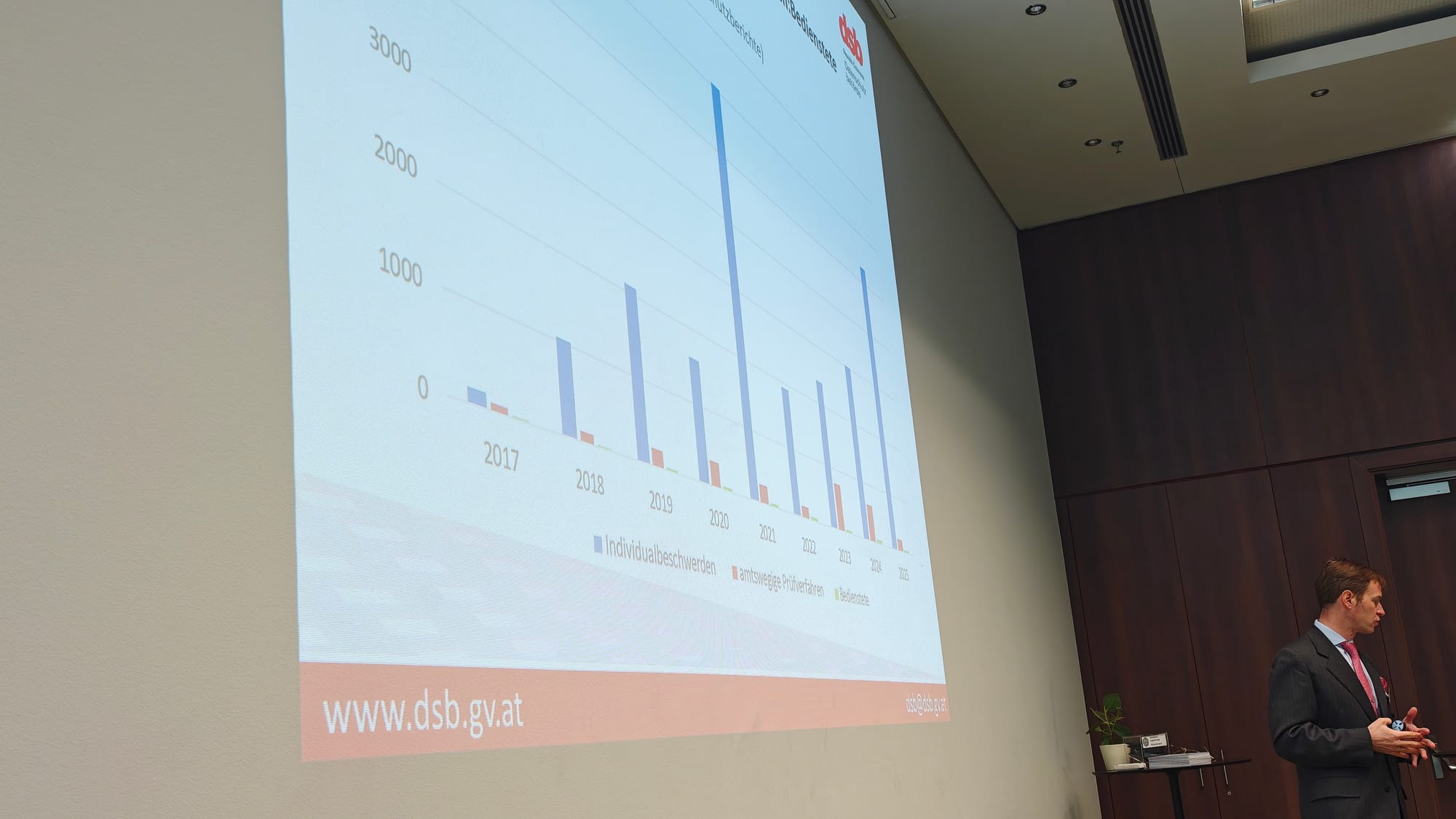
I appreciated to listen to Dr. Schmidl, head of the Austrian Data Protection Authority who, once again, did an excellent job in providing an overview on the data protection case decisions. In his introduction he showed how significantly the number of data protection complaints has grown in recent years.
Child Protection
We had a magnificent event on child protection in online environments in the festival hall of the Austrian Academy of Sciences.
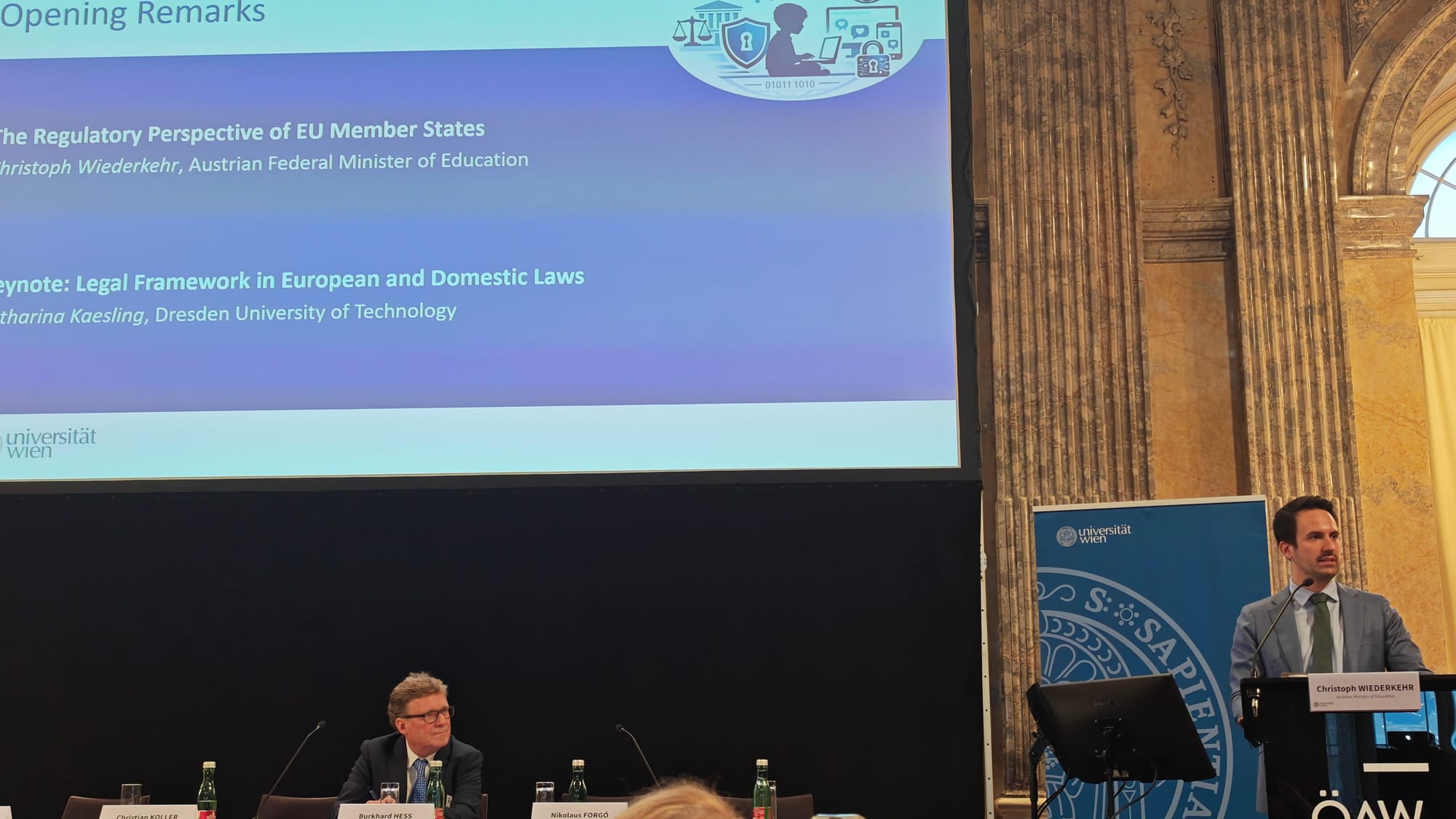
The first panel was more academic and legal
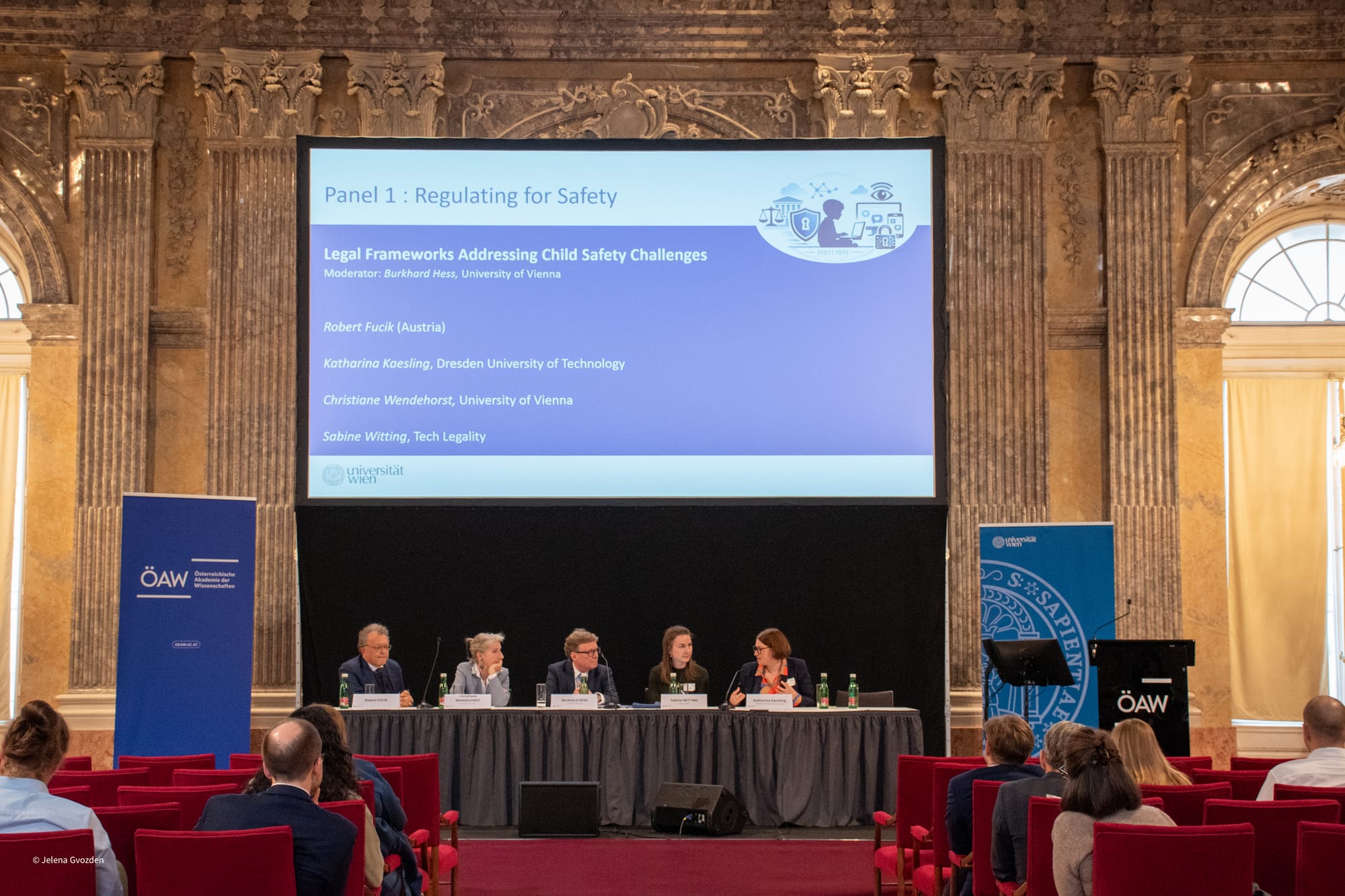
the second more practical and technical.
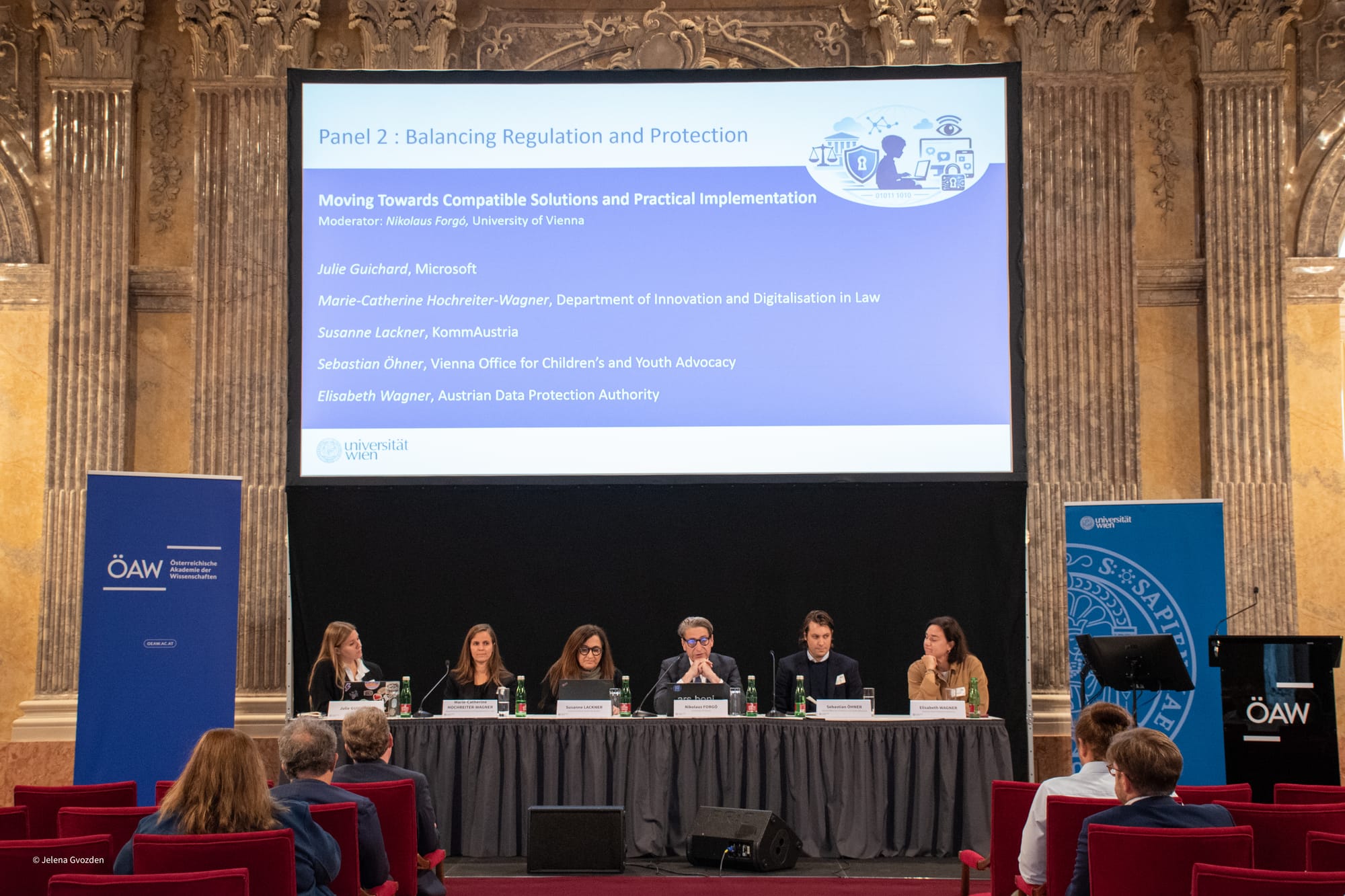
Interestingly, there was much of consensus that a European, not a national, solution is needed that is technically feasible and trustworthy. Most importantly, enforcement might be more critical than the establishment of another set of complex rules. Prof Dr. Florian Möslein's closing remarks (more on LinkedIn) that brought a new layer of complexity by looking on the EU Kids Act with a private law perspective were another highlight. Prof. Dr. Christiane Wendehorst wrote about her impressions on LinkedIn as well.
#arsboni
I had three conversations this week, all of them give a lot of food for thought.
The first is about reform in legal education and the debate on the matter during this year's Deutscher Juristentag in Erfurt. My interview partner is the author of a very developed analysis on the current situation, Prof. Dr. Julian Krüper
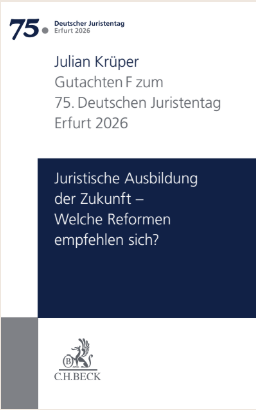
The interview touches, among other things, also some of the relevant aspects coming with AI in legal education.
Krüper made me aware of a review of his opinion, written by Prof. Dr. Dr. h. c. Barbara Dauner-Lieb in NJW (Paywall) that I read only after the interview. It's somehow ironic that the review argues on the one hand that Krüger's paper is not detailed enough but stays, on the other hand, on its own remarkably vague when dealing with some of the existential questions (p. 2649, paywall).
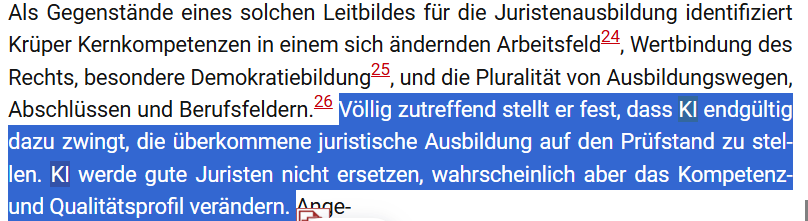
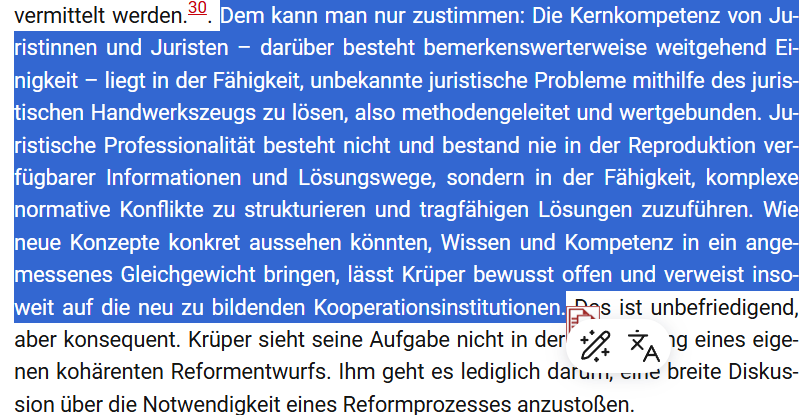
The second interview was about the counterargument of Dauner-Lieb's statement, which is that, from now on, it will be legally possible in Austria that binding legal decisions in administrative procedures are made by autonomously acting AI-agents.
The third brought a funny premiere - in episode 651. My guest, Dr. Sven Thorstensen, is the attorney representing claimants in a recent case at Austria's Constitutional Court. The case asks in how far chats that stem from the Dutch and French police having hacked into an "anonymous" chat-system - SkyECC - may be used in Austrian criminal procedures, even if the hack would have been illegal under Austrian law (spoiler: they may, but not without limits).
The conversation was so interesting and so lively that we continued to debate after the planned official ending of the video. Luckily, I kept the camera running and moved the mics away but kept them hot as well. Thorstensen was so very much of the opinion that this off the record part is important to fully understand his argument that we decided to show the informal part as well.
This means that for the first time ever in #arsboni by jumping to minute 30':13'' you can sneek into what happens behind the scenes. It's also interesting from a technical point of view as I needed to boost the audio significantly in post production, but the mics bear this relatively well.
Here's the full video, also for sound comparison.
Adjudicating False Information: A Global Case Law Analysis
I has the pleasure to edit this paper (see Weekly 42/2026 for details) and on Thursday afternoon I was additionally honored to be given the opportunity to moderate a discussion on the topic from the #laundry.
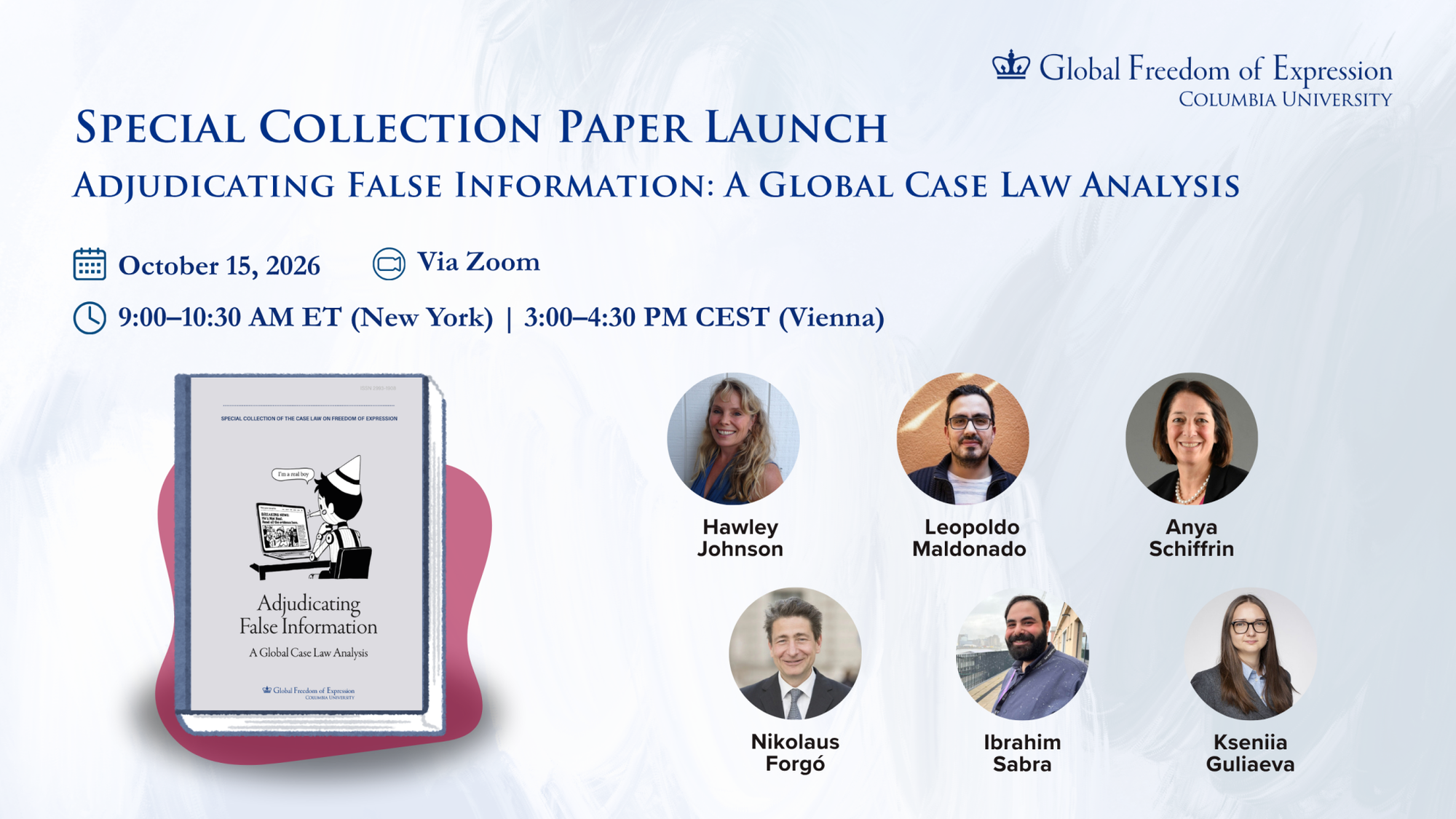
It was one of the rare opportunities to talk to a UN-special rapporteur, in this case to Leopoldo Maldonado Gutiérrez, Special Rapporteur on freedom of expression and opinion. It was a Zoom-conference but a YouTube stream will be available soon. Here's a sneak preview:
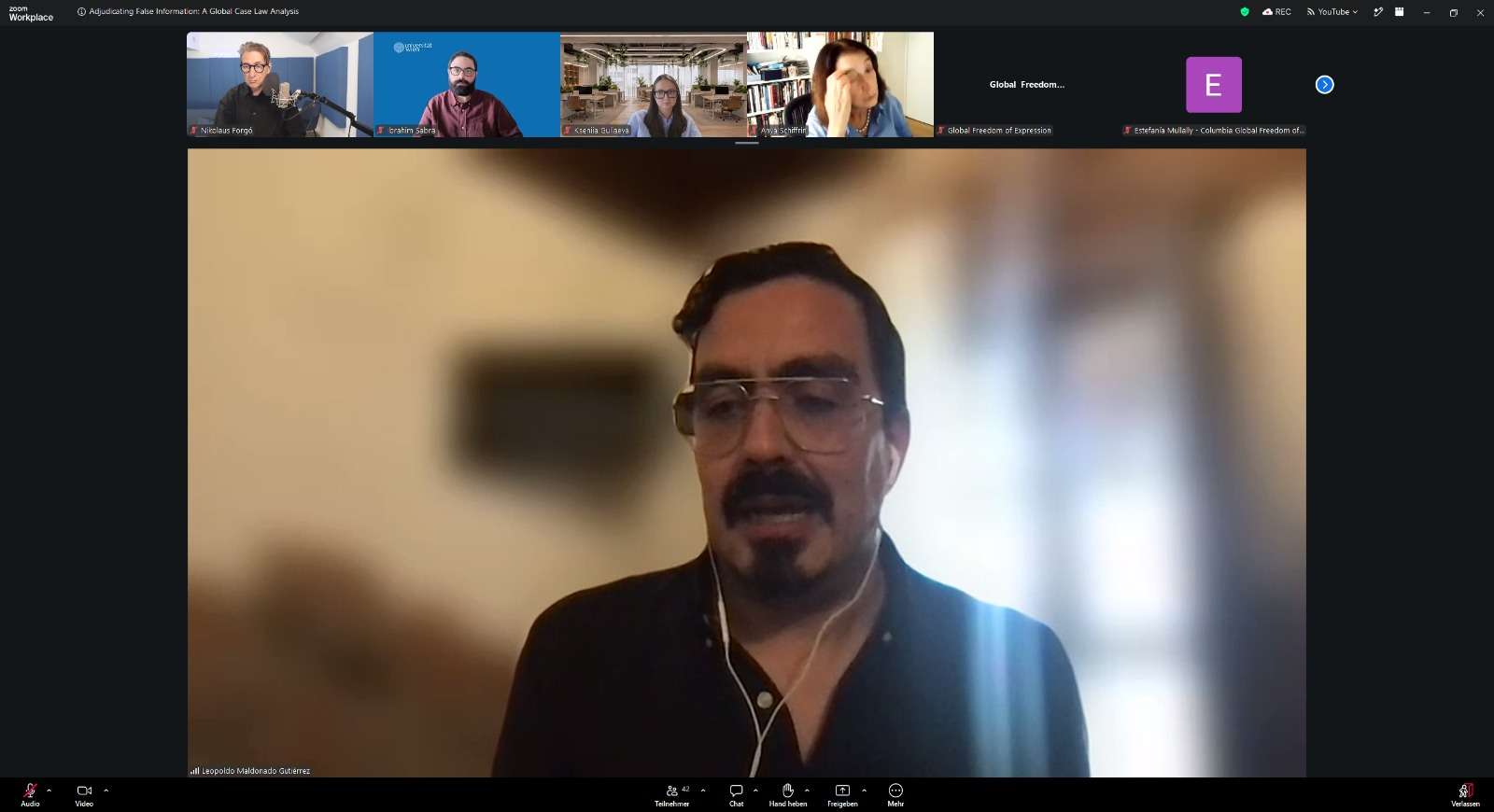
I am very grateful to Ibrahim, Kseenia, Anna, Olga and to Columbia Global Freedom of Expression for this great opportunity.
Prospect
Walther Rode Award
On Monday, October 19th, this year's Walther Rode Award will be awarded and I will join the party as I was kindly invited by the jury to make suggestions on who could win earlier this year.
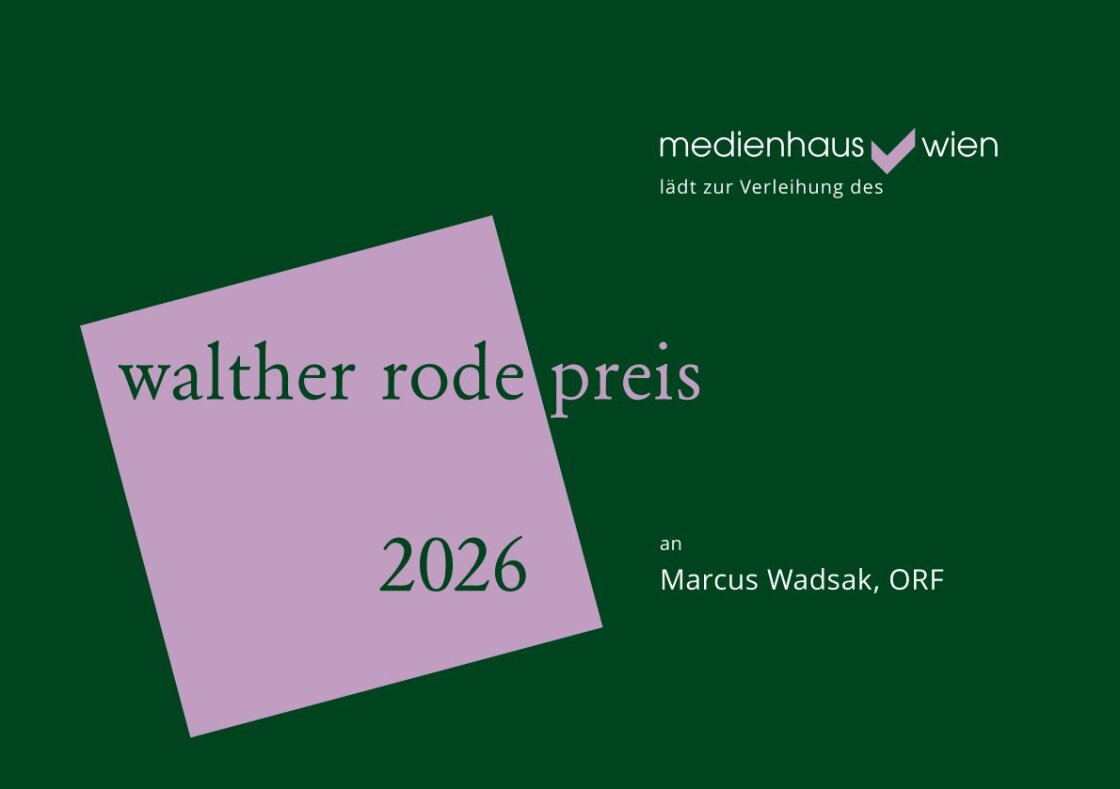
The winner, Marcus Wadsak, is, in my view, an excellent choice, as he has been a pivotal voice in Austria's debate on human made climate change for more than 30 years. https://rode-preis.at/ has more on the price, its history, Wadsak and former winners. I am, in particular, impressed by Wadsak's willingness and stamina to defend scientific evidence against politically organised and motivated shitstorms denying climate change.
Bruno Kreisky Award
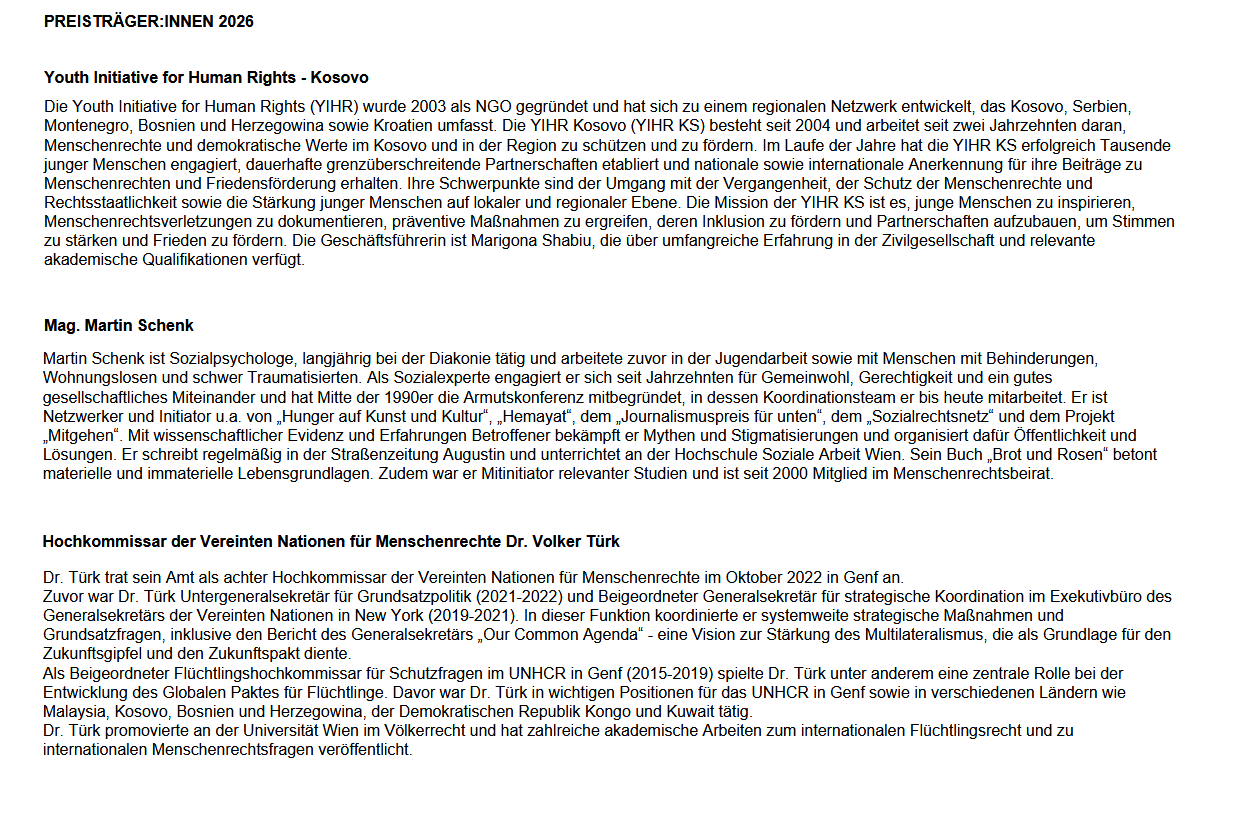
On Thursday, October 22nd, I will join the award ceremony of the 21st Bruno Kreisky Award for Contributions to Human Rights.
This will be moderated by Prof. Dr. Dr. Oliver Rathkolb and I am, in particular, very much looking forward to the ceremony address, delivered by Prof. Dr. Frauke Brosius-Gersdorf.
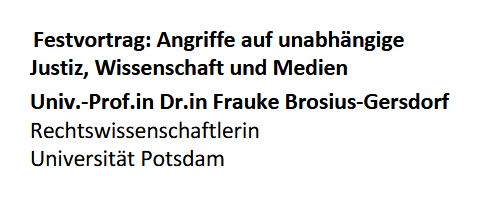
These are the winners:
AI, Law and Medicine
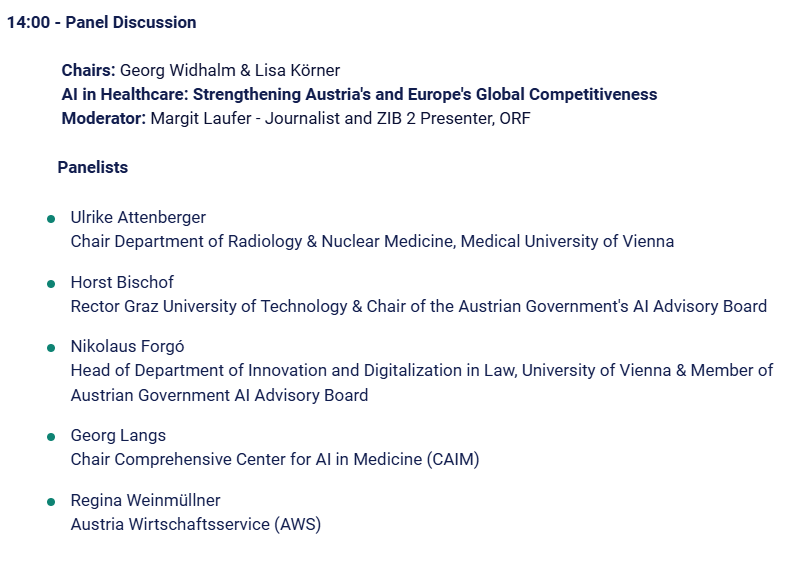
Thursday, 22nd of October, and Friday, 23rd, bring a large conference on AI and medicine to Vienna.
I will be part of the closing panel on Friday.
Free admission, registration required.
#arsboni
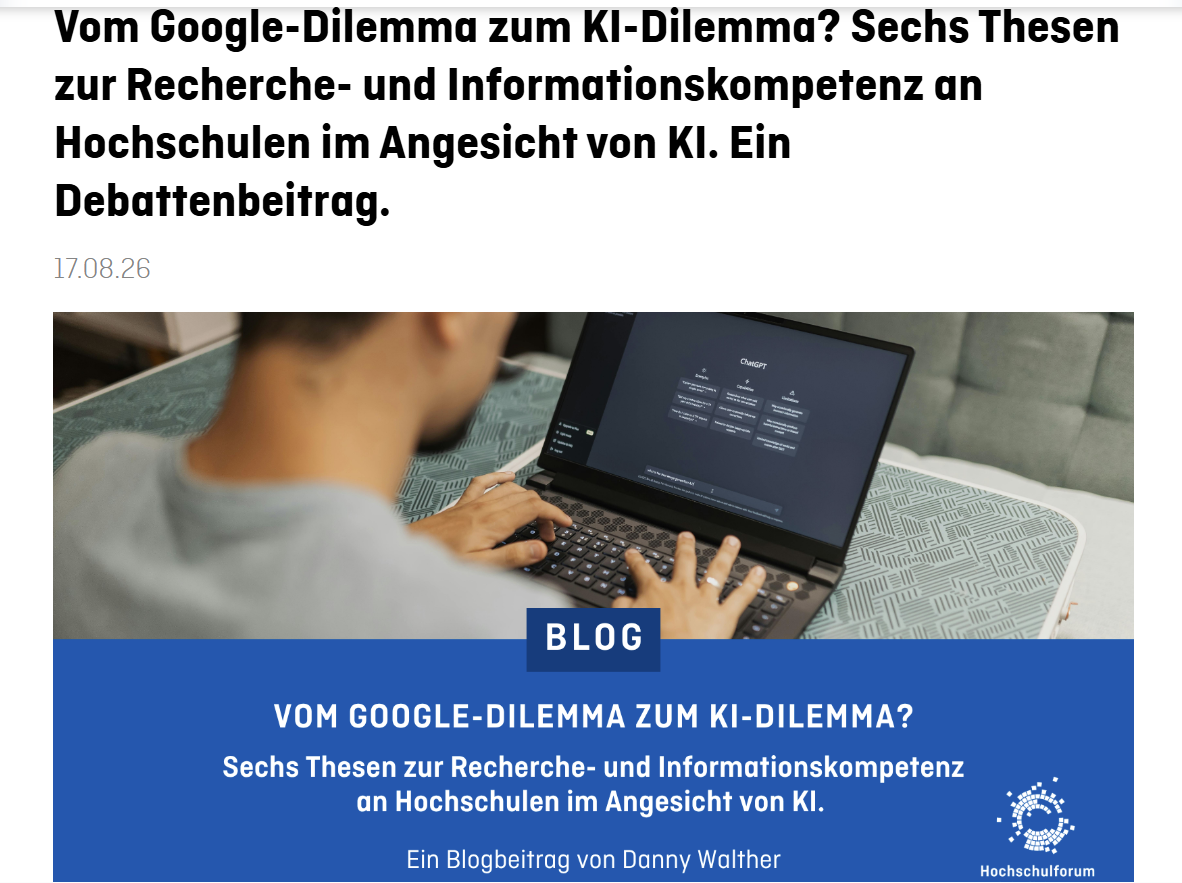
On Monday, October 19th, at 10.00 am, I will again ask one of the questions I am constantly circling around at the moment: Which search/research skills do (law) students need today and how do we teach those?
My interview partner will be Danny Walther from Hochschulforum Digitalisierung who wrote an interesting article on the matter.
On Wednesday, October 21st, at 17.00, I will talk - again - with Professor Dr. Dietmar Jahnel. This time this shall be a more personal conversation about his perspective and his learnings from his career on what it means to be a tech-interested lawyer nowadays. Jahnel is on of the big names in legal informatics in Austria. The conversation is part of my first year course on legal methodology and legal tech at UNIVIE with currently more than 800 enrolled students.
Look and Feel
The impossible return
Amélie Nothomb wrote a little book about a travel to Japan that I read as it was gifted to me (in German).

It's a very personal story about her, being born in Japan and having left the country several times and about the impossibility to return into a country of one's childhood. It's a very "raw" text, more a personal diary than a novel, with lots of tiny obervations and anecdotes on daily life, but also with a rather profound melancholy or sadness about losses and failures in childhood and adolescence and the impossibility to correct them later.
Here, here, here and here are reviews and here's an interview with her, YouTube has a long conversation with her in French (with a wonderful thumbnail showing two correct headsets and two correct microphones):
Fantômas
I spent a very nice evening in Konzerthaus an Tuesday. "Fantômas. Part 2: Juve contre Fantômas" was screened, accompanied by a brillantly performing live band.
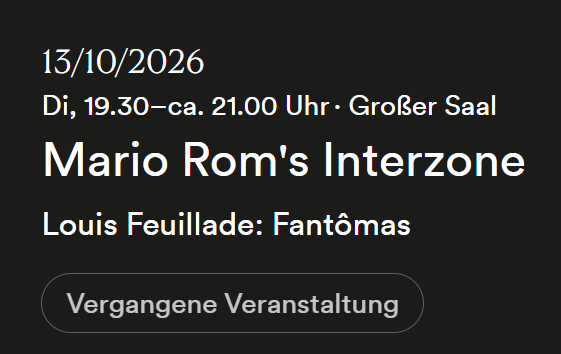
The original silent movie is on YouTube
The band was a very interesting discovery. Some of their music is on YouTube as well, for example this nice piece:
May it bring you joy during the week.
Have a wonderful week and take care of yourself!
Kind regards
Nikolaus (Forgó)