Week 41/2026
Das ist ja klar

NSFW (Nikolaus' Song For the Week)
This week's song for the week comes from Helmut Qualtinger, Der Arrivierziger.
Two reasons for this:
First, this is one of the best introductions for Non-Austrians on Austrian culture and language I know. If you don't understand the text fully by listening only, the lyrics are online. I would strongly advise to take the self-description provided here very seriously.
Second, this week marked the 40th anniversary of Qualtinger's death who passed away on September 29th 1986.
YouTube has a 45 minutes
and a 90 minutes portrait.
Retrospect
Birlinghoven/Fraunhofer SCAI
I joined the Industry Symposium on “AI in Life Sciences and Medicine” – 3rd edition in Schloss Birlinghoven, St. Augustin, close to Bonn.
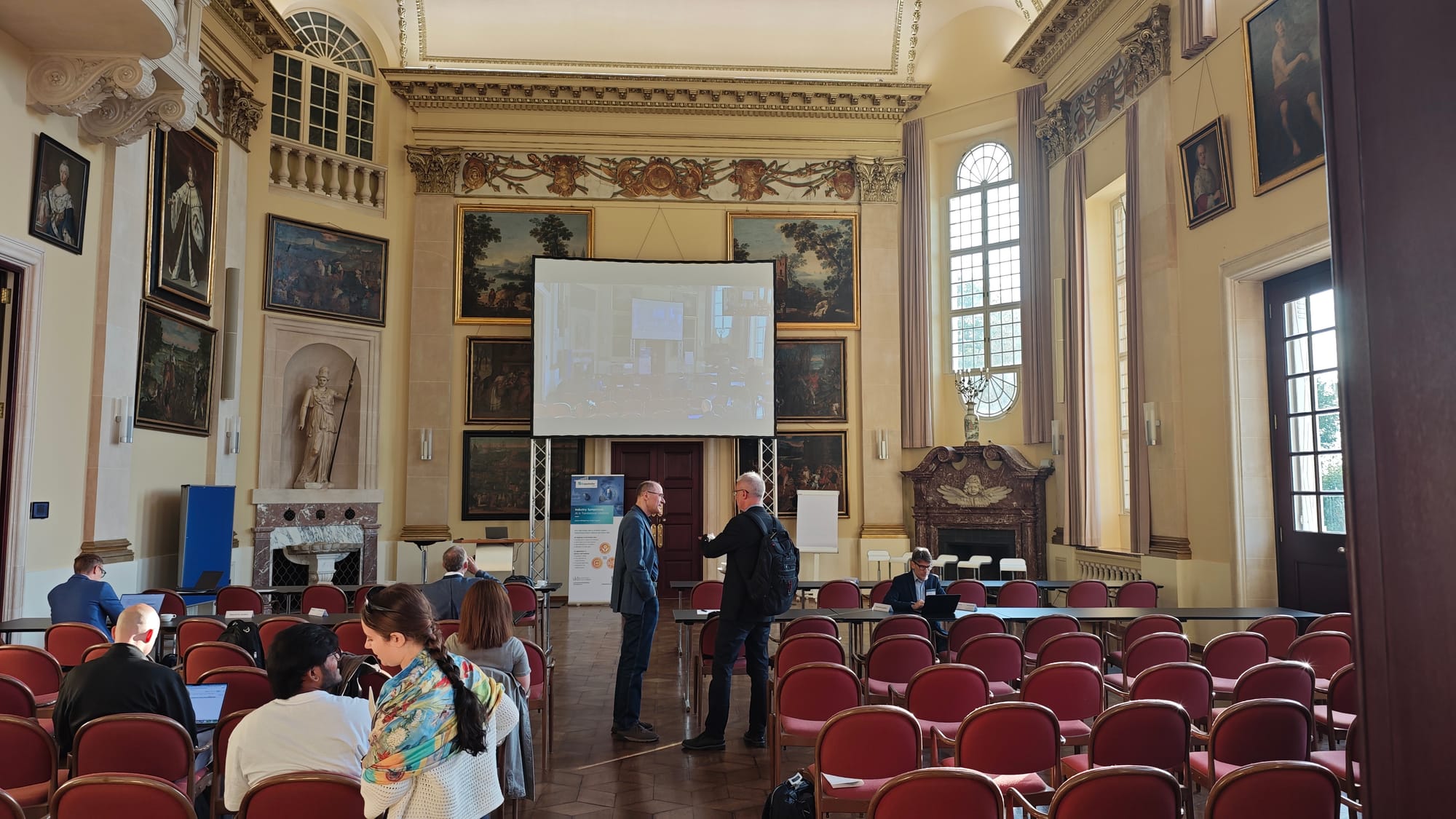
Prof. Dr. Martin Hofmann-Apitius and Prof. Dr. Holger Fröhlich had put a very nice line up together, uniting physicians, computer scientists, from industry and academia - and me. I spoke about "Data Readiness from a Legal Perspective" and gave an overview on the importance of GDPR in times of AIA and Digital Omnibus. I did this, in particular, in my role as legal partner of COMMUTE that is lead by Martin - which is one of the reasons why Rodessa from the department was here too. We were, inter alia, introduced into the Fair2 initiative, aiming to formalize the FAIR data principles into a verifiable, machine-actionable framework for AI-ready, responsibly governed data.
AI Doomsday
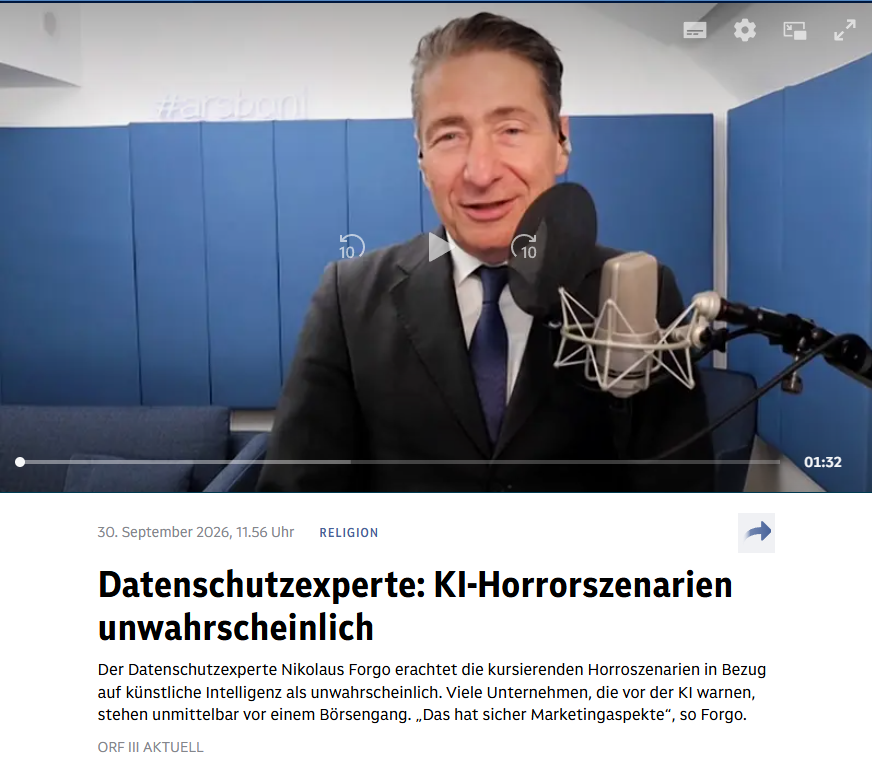
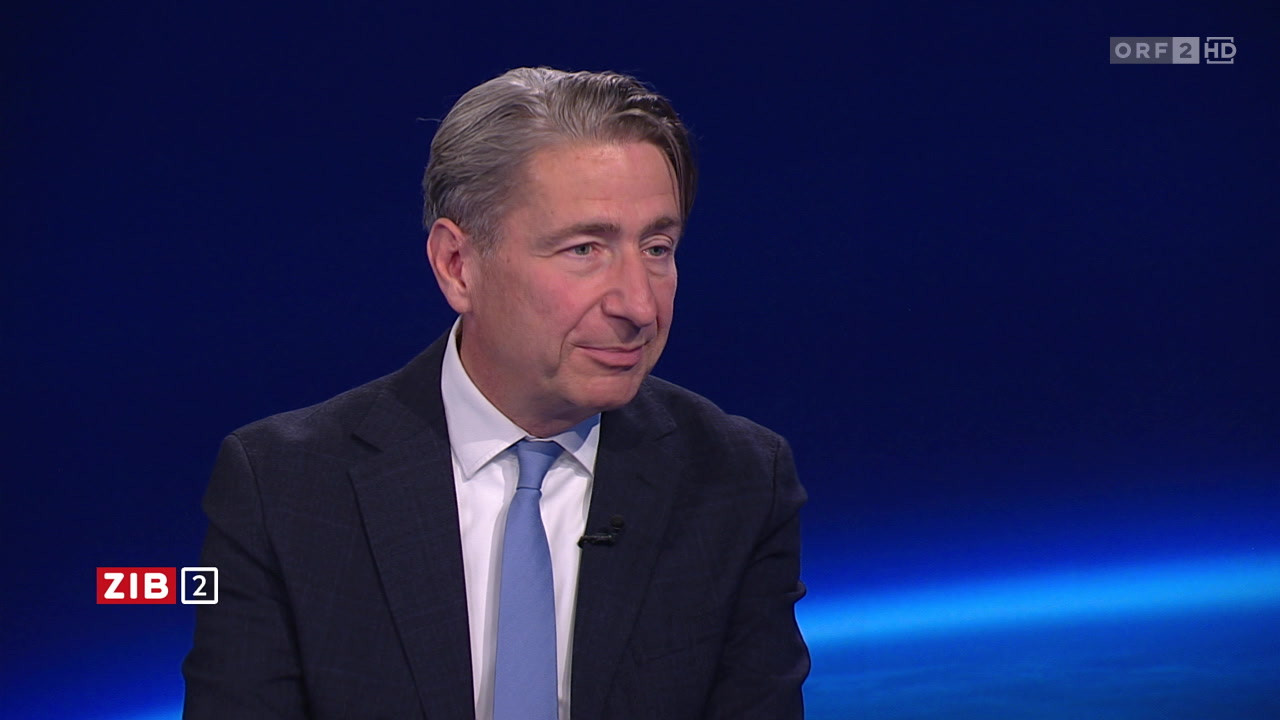
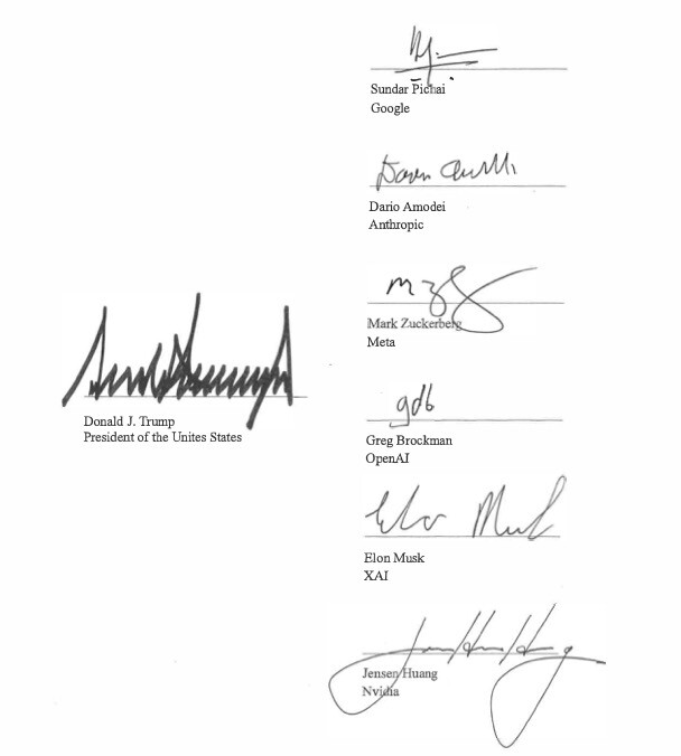
I was interviewed in ORF III aktuell on the current scenarios that AI models could get out of control, the accord between Trump and the industry (that I can, strangely enough, find on Twitter only), and what this implies legally.
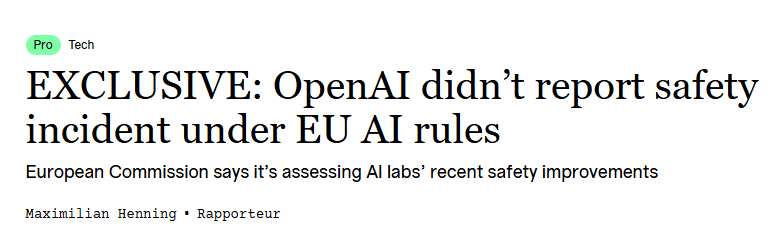
What I couldn't go in detail about but had found in preparation was a report about OpenAI not reporting the incident(s) to the EU
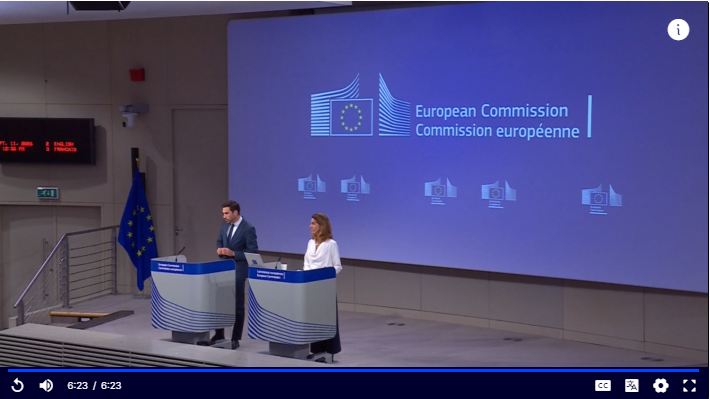
and a very interesting press conference by a representative of the European Commission on the matter
The story attracted some interested so that I was also interviewed in ZIB II on my take

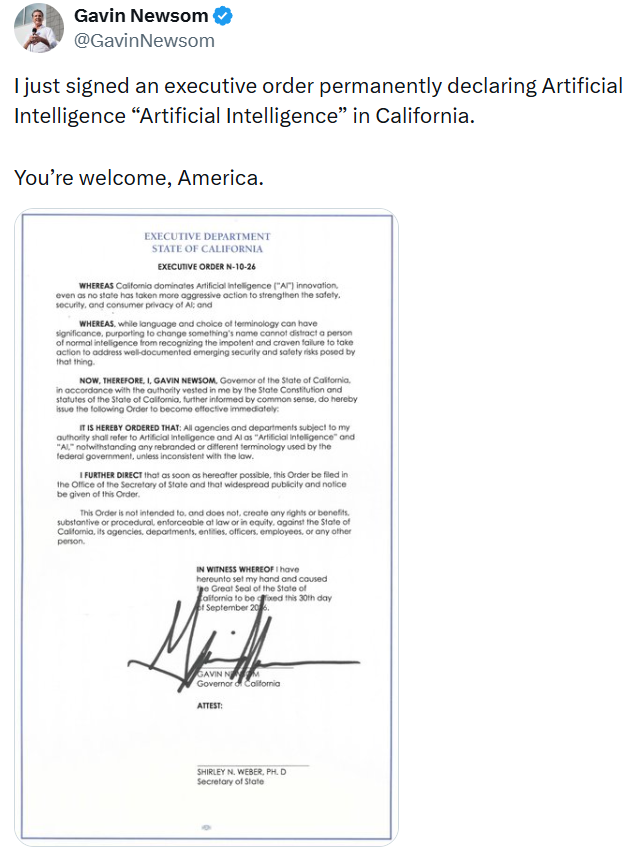
The accord and Trump's executive order "inaugurating the era of super intelligence" and therefore renaming AI as SI,
are interesting, not only because "United States" are misspelled,
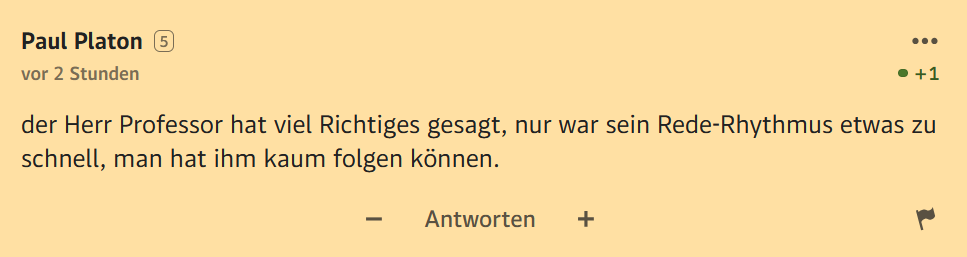
but also because of some of the reactions the story triggered.
The topic (and my interview) are further discussed in Der Standard, Kurier (Paywall), Kleine Zeitung (Paywall), Oberösterreichische Nachrichten (Paywall) and OE24.
The Standard-Forum teaches me (once again) that I should work on my speaking pace.
Semester Opening
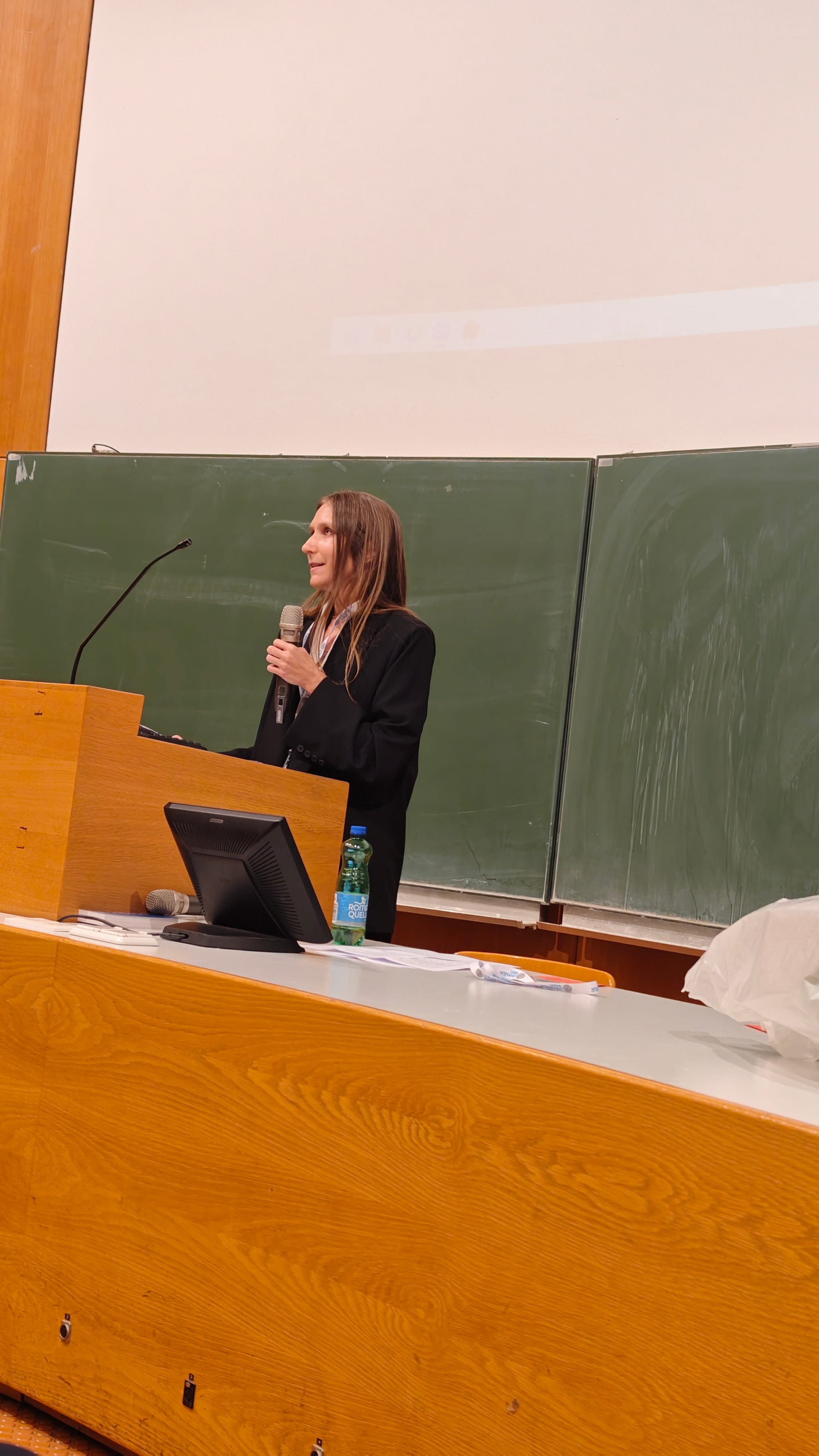
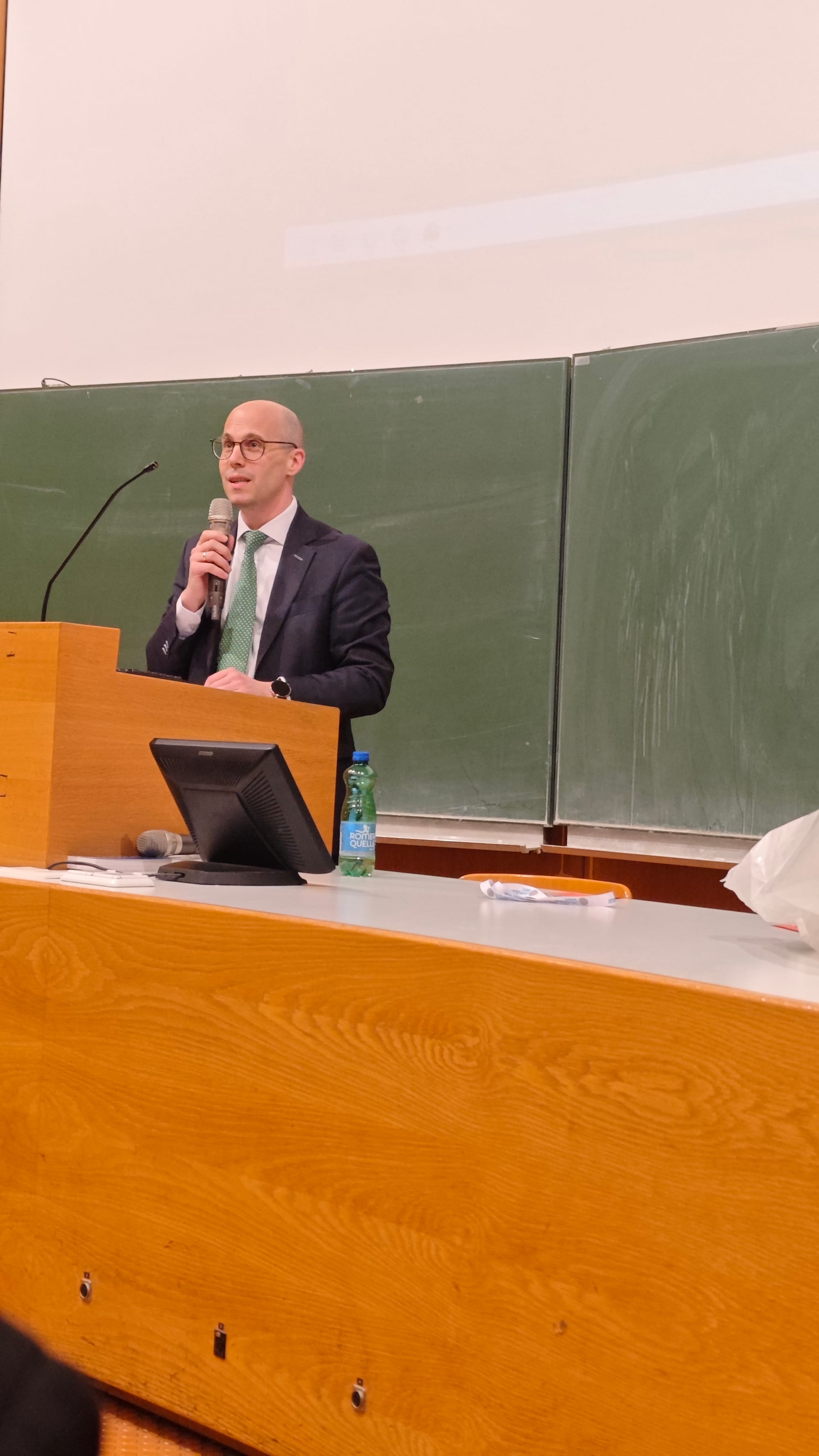
We had a very nice welcome party for our new students on Wednesday evening. Our new dean for students Prof. Dr. Stephanie Nitsch and our new dean Prof. Dr. Christian Koller welcomed the freshmen and congratulated them for chosing us as their educational institution.
Future of Law & Finance
I was invited to write down a few thoughts on the future of legal education in "Future of Law and Finance" (page 4).
ISPA Summit
I attended (as a speaker) this year's ISPA internet-summit Austria. I had the pleasure to be in a session with Dr. Wolfgang Schwarzbauer from ECO-Austria
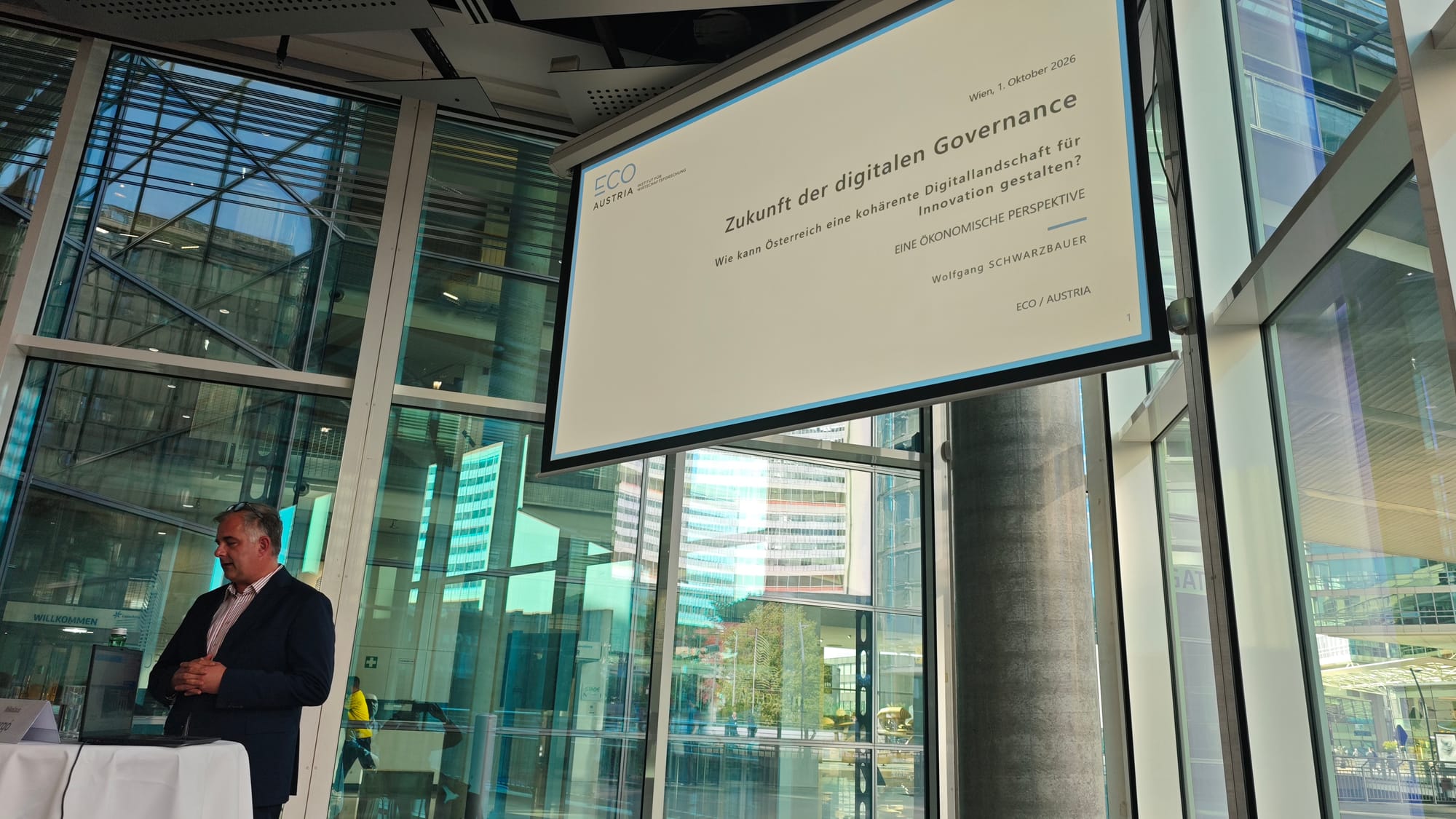
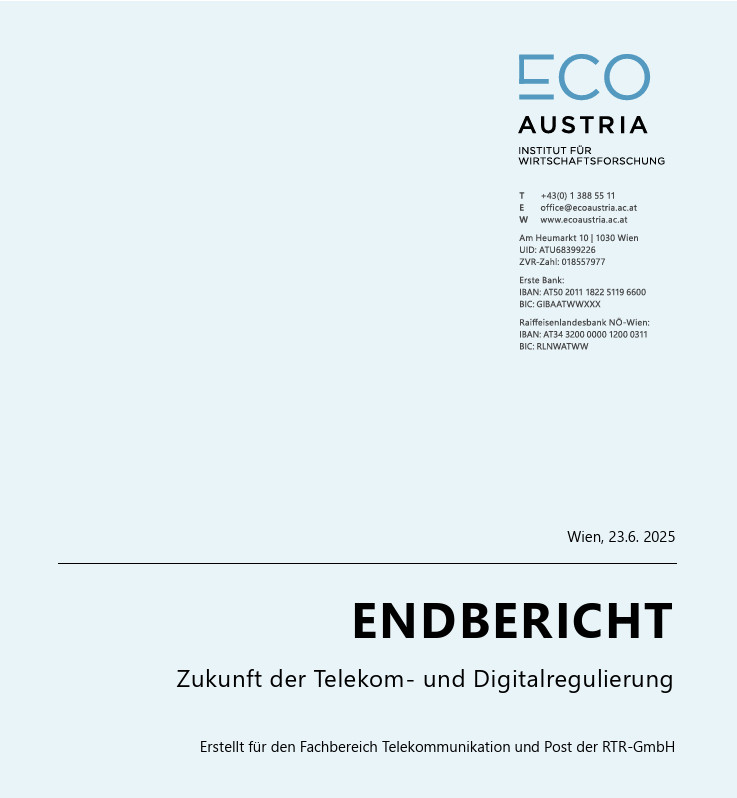
and learned, inter alia, about a study on (re)organisation of Austrian regulatory authorities.
re:publica
re:publica is a very famous and big German conference on (inter)net politics uniting, in particular, members of diverse civil society organisations, media people, (some) politicians and geeks and nerds. This year, they are in Vienna for the first time - at a very nice venue, the Brotfabrik Wien.
It started with speaker's dinner and registration on Thursday evening.
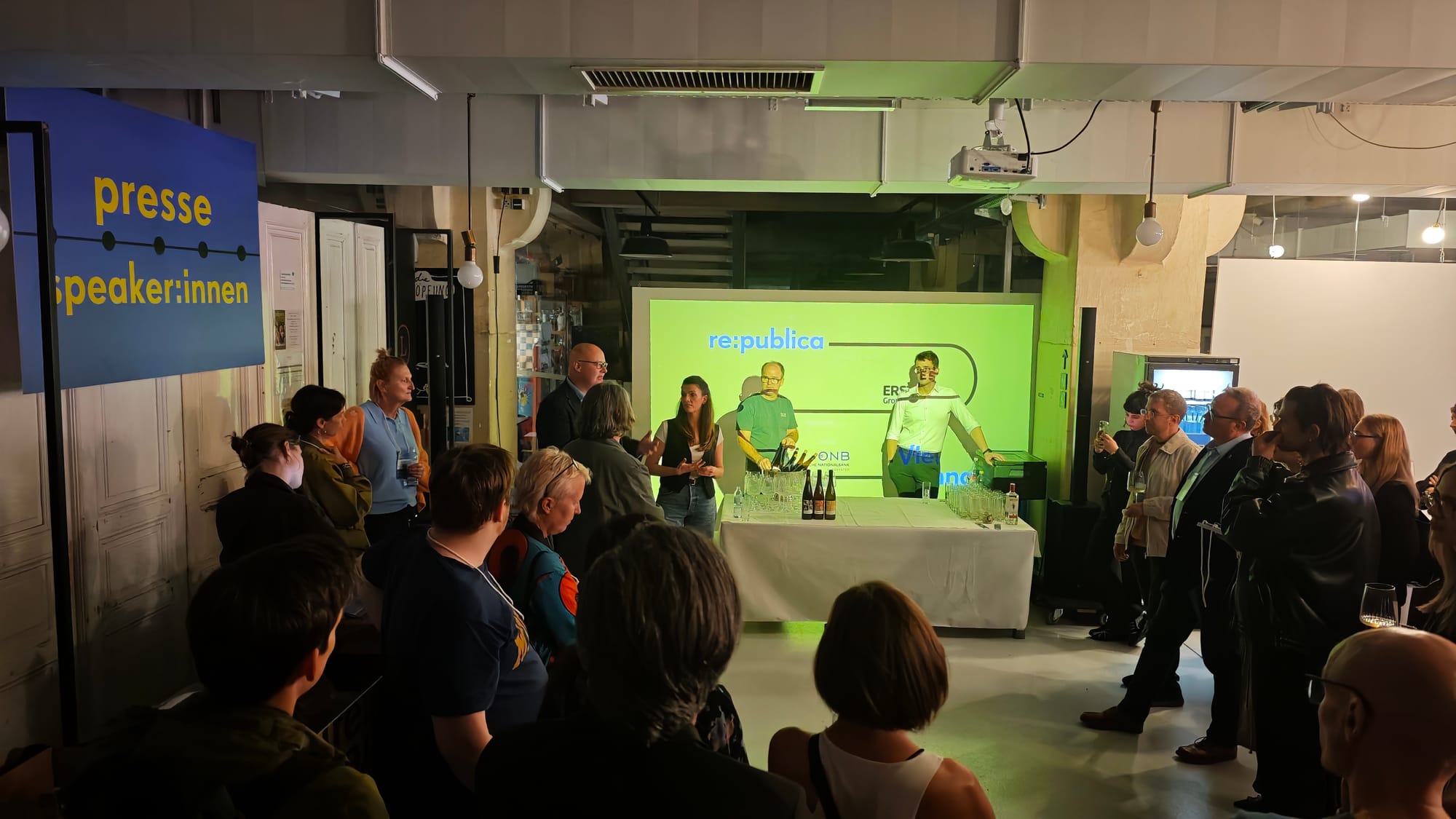
If you read this on Friday or Staurday and are spontaneous, you can still join. The program reads like a who-is-who of Austrian netpolitics.
Prospect
Apart from many, many meetings and phone conferences and lectures due to the beginning of the semester, I will have three gigs that I want to share here:
MRI
Monday, 5 October 2026, from 1:30 pm, will bring me into Juridicum's top floor.
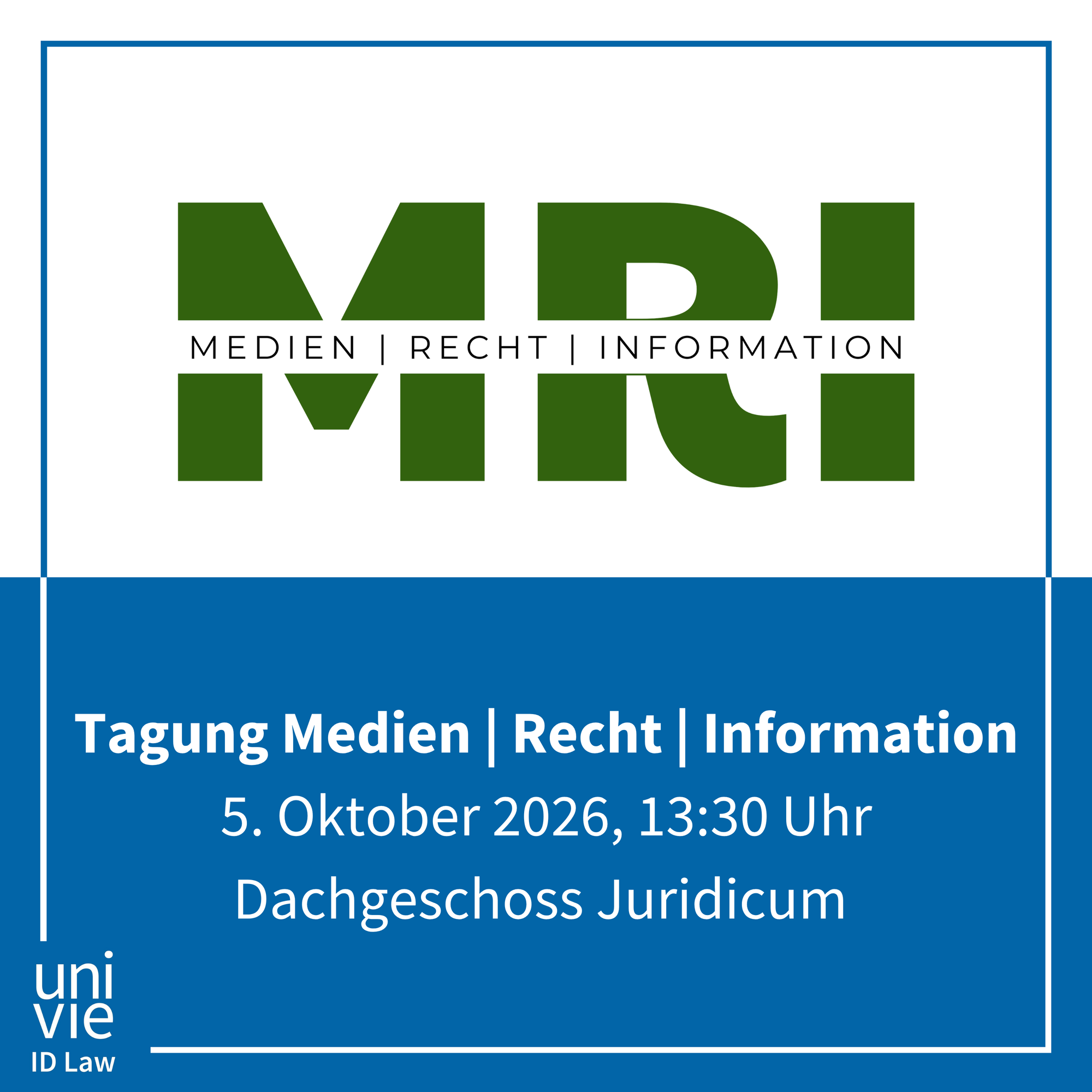
Here's the program:
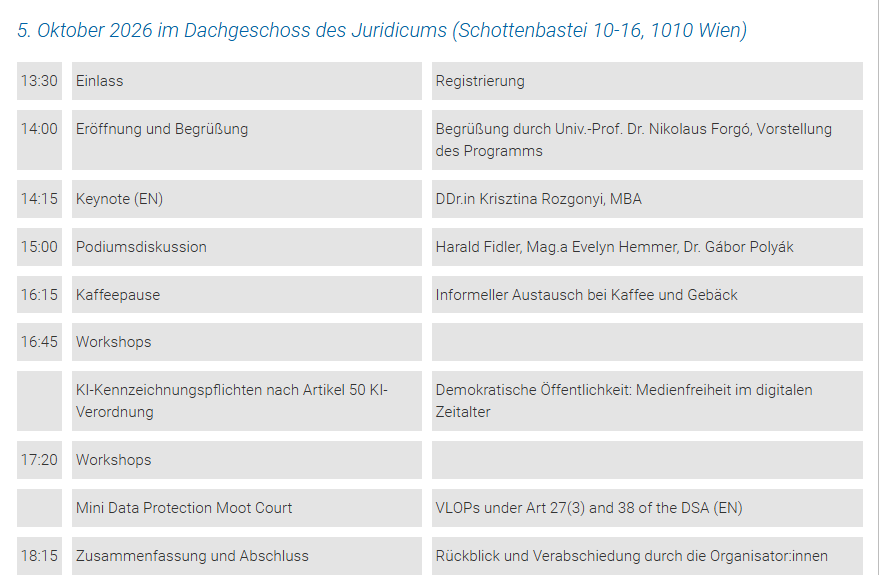
Free entry, registration required (and still possible), no stream.
Austrian Standards
On Thursday I will be on a panel about the EU strategy on standardisation in AI (is there any?).

These are my fellow colleagues on the panel:
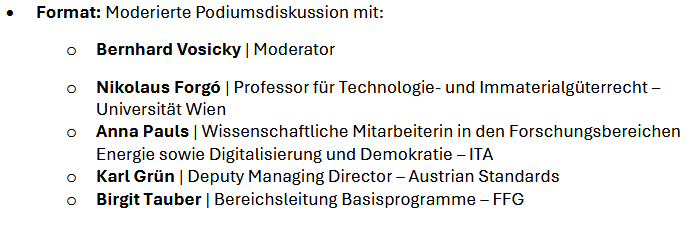
Free entry, registration required) and still possible, Stream available (but requires registration).
DEMGES
On Friday I will co-moderate a workshop within the context of DEMGES in the Austrian Academy of Sciences.
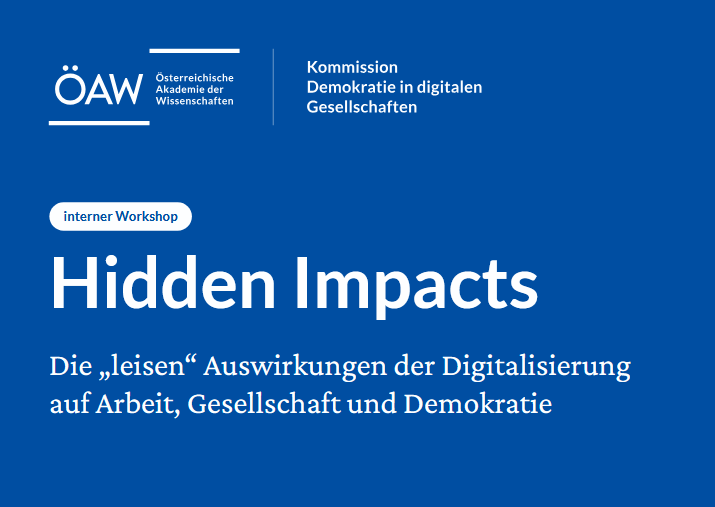
This is an internal event, but if you are interested, I will be happy to provide you with further information.
Look and Feel
Japan
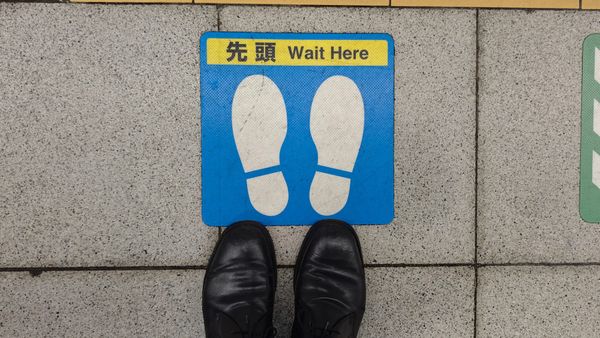
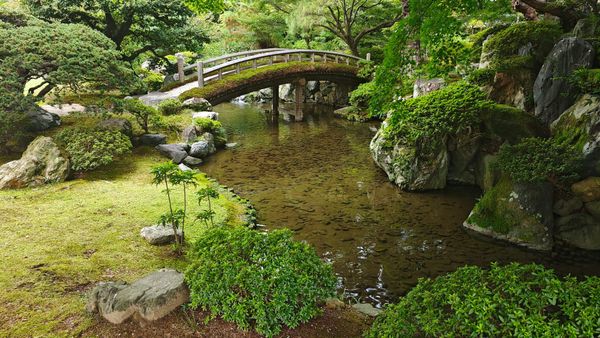
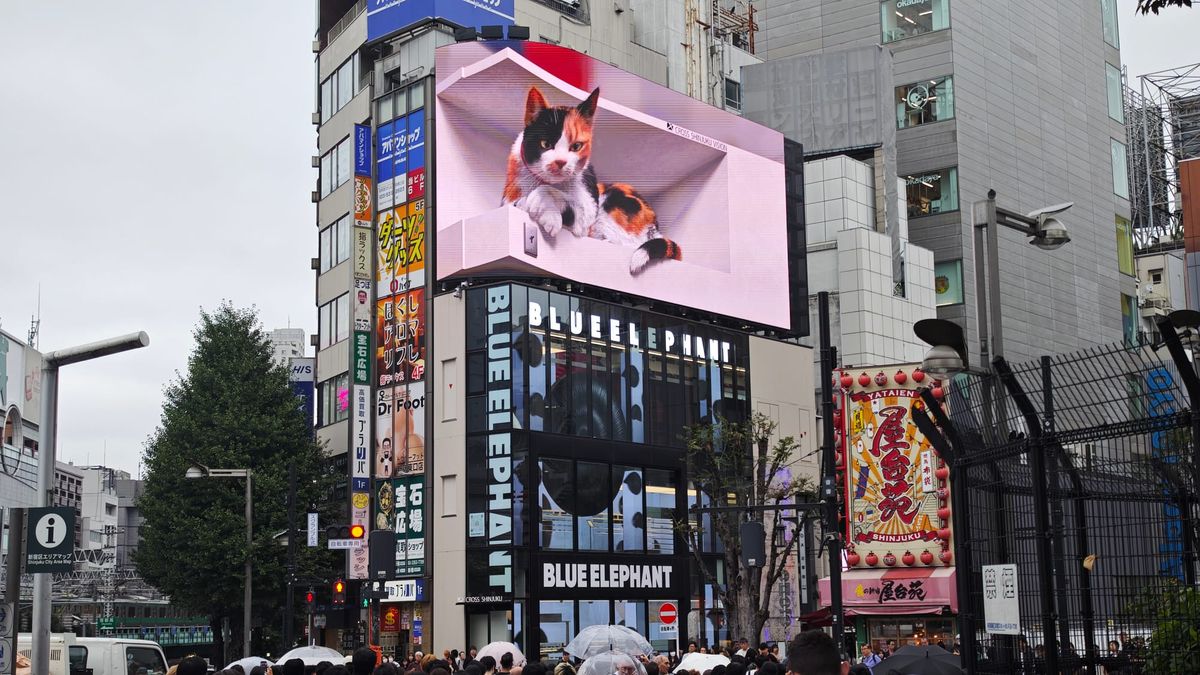
I returned on Sunday evening and am still processing the experiences. It's a beautiful country to visit but it's probably difficult to live there, in particular as a foreigner.
First, it's an island so that the perception of "us" and "them", "foreign" and "home" is different from a landlocked country. This fundamental peculiarity has certainly become more important due to politics recently. Anti immigration tendencies are rather common in Japan and the country is possibly even more torn apart between economic necessities and populist politics than many European countries.
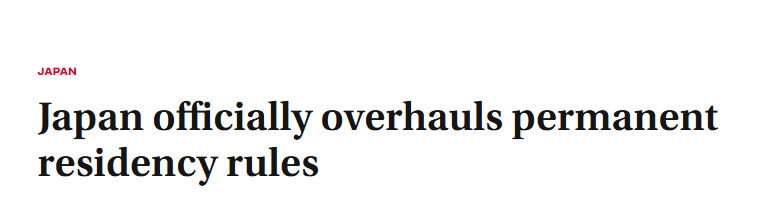
Second, it's an island with a hostile natural environment that is always ready to kill you and to cause catastrophic events. Earthquakes, tsunamis, typhoons, landslides, a terrible, humid summer heat - nature can become very difficult to manage very quickly and this threat might be one of the reasons why harmony with nature is so important in the culture and produces so beautiful outcomes.
Third, is a country full of contradictions. Whereas it can be empty, calm and beautiful, in particular outside the big cities, it can also be very, very overcrowded and noisy and stressful. Stress is omnipresent in the cities, people look - and are - constantly exhausted which is no wonder due to the noise, the small offices and flats, the amount of grey concrete everywhere. Although public transport is outstandingly well organised and reliable, commuting can last very long and is boring and exhausting. In particular in Tokyo one can spend several hours per day in countless limited express trains, subways, rapid train services, busses and so on and stare into empty or sleeping faces. Hundreds or thousands of silent hermits, each staring in their smartphone - don't dare to talk too loud. While one can find the most beautiful architecture and design, the landscape is however dominated by a dark grey, light grey and black color palette with massive concrete everywhere. The country is covered in plastic, literally everything is foiled seperately. Buying a serving of Soba noodles in one of the 24/7 konbinis ends up with 5 different layers of packaging - for the noodles, the sauce, the wasabi, the onions and the chop sticks. It can be rather difficult to get rid of the garbage as they are obsessed by garbage seperation despite (or because of) all the garbage produced.
The downside from being so well organised is that everything is very bureaucratic and unflexible. One needs a form for everything, is constantly told what and what not to do, needs to follow rules that can change without clearly understandable reason (whether on should go on the left or on the right for example) and still constantly has the impression to be at the wrong place, as one is - different. Since my first visit (more than 15 years ago), many things have changed to the better. In particular, English roadsigns and text on menues, landmarks etc. have become standard now helping a lot; still, many Japanese speak remarkably bad English so that even basic communication can be challenging if one doesn't speak Japanese.
The country is technologically very advanced, yet, it has its problems with adapting to AI and other modern developments as well. The situation is not that different from Europe. Equal treatment of women and men is a permanent topic. One can find "toilets" in a train station and "toilets for women" right besides them; the default is still very much male (and Japanese). The energy mix is not very sustainable yet - electric cars are very rare, traffic organisation in cities is still very car-centric - riding a bicycle (which I didn't do this time, but know from last time) can be very stressful.
Society can be very radical in changing social norms, yet very pragmatic in letting the old standards to continue. The writing system is a good example. Whereas it was decided long time ago to no longer write and read vertically but horizontally from left to right (and sometimes from right to left) it is still common that judges and prosecutors use the old, vertical system (not so the lawyers). 4 different alphabets are in use in parallel.
People are outstandingly mindful and care for minor details so that being a customer - or a colleague - can be a truly positive experience. Jumping in a cab and realising that the hotel service has already instructed the driver where to go; being welcomed by staff when entering a shop; being served with your orderd food as quickly and still relaxed as possible etc. Everything s there to not bother you.
Food is, of course, sensational, yet, a diet with no meat and no fish or, even worse, food intolerance, can be very difficult (or impossible), vegetables and fruits are rare and very expensive. European food is copied, perfectionised and adapted to Japanese taste. Freshness and hygiene are followed in the strictest way.
Reddit has interesting debates on how is is to live in Japan, f. e. here. One can also find good advice where to go as a tourist.
I did a series of YouTube-Shorts on my impressions, for example on Nikko (in the rain)
In addition, I was, in particular, very happy to visit the Hiroshi Senju museum. I admire his paintings of waterfalls and forests a lot but was somehow negatively surprised about some of his other paintings (such as the series "When the Stardust Falls") that I found quite kitschy. It was strictly forbidden to take any pictures or videos there so that I don't have self made material from there. But one can see images of the museum and of his paintings on the internet.
ZD
Last not least, bear with me for being such a proud father, but allow me to share the title page of this month's Zeitschrift für Datenschutz.
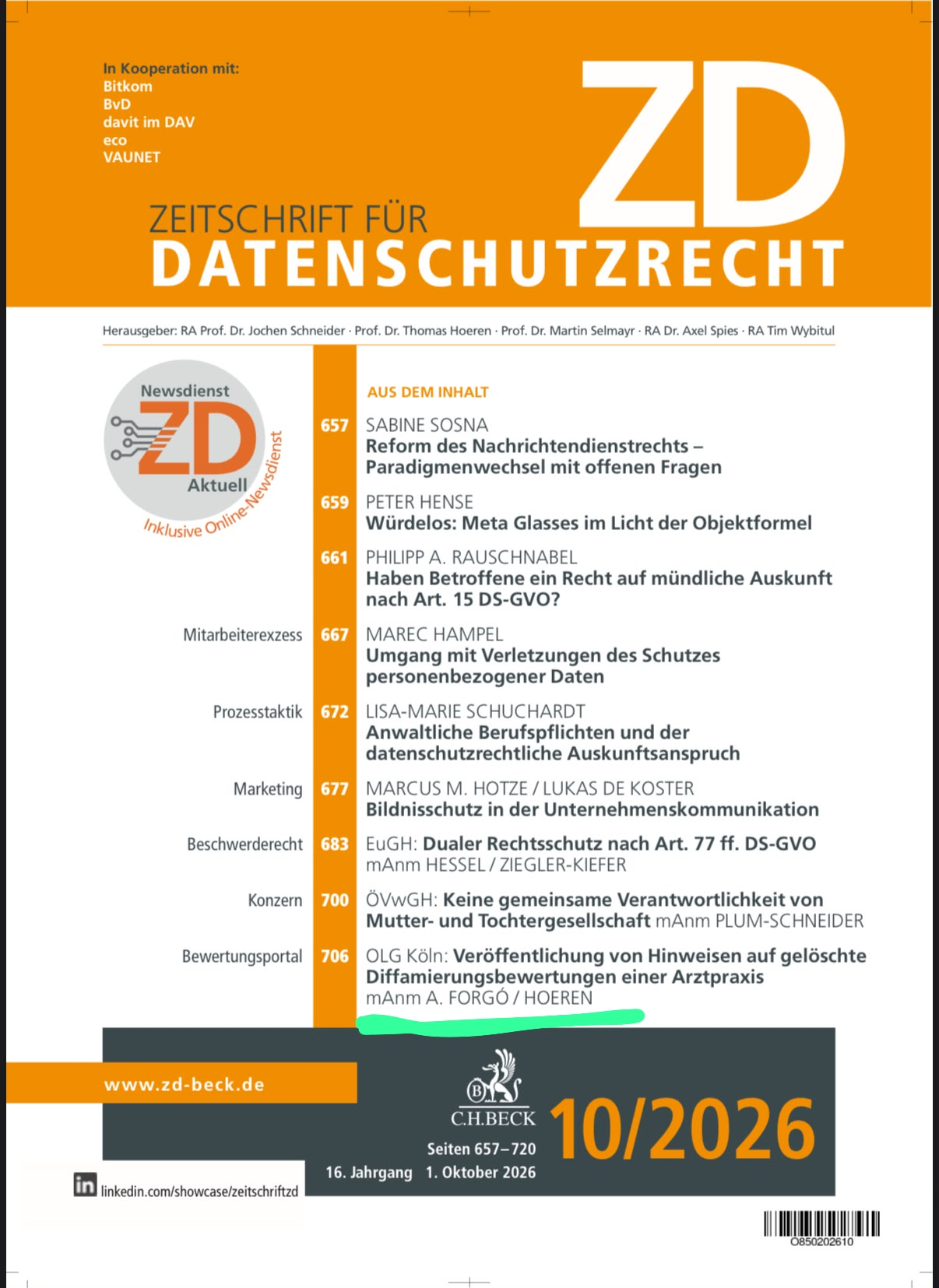
It contains the first publication (paywall) of our daughter Anna that she was able to provide in collaboration with Prof. Dr. Thomas Hoeren. She certainly doesn't want me to share this here, but I just have to, my apologies.
#siewerdensoraschgroß
Have a wonderful week and take care of yourself!
Kind regards
Nikolaus (Forgó)