Week 33/2026
Is this just fantasy?

NSFW
This week's song of the week is Queen's Bohemian Rhapsody,
from 1975.
Not only because it's just a great song, not only for Mercury's marvelous voice, not only because it can teach the young so well about aesthetics and look of the 70ies and 80ies, not only because it has an iconique music video, but for one main reason: The album including the song, A Night at the Opera, had a short but important statement on it: "No synthesizers!".
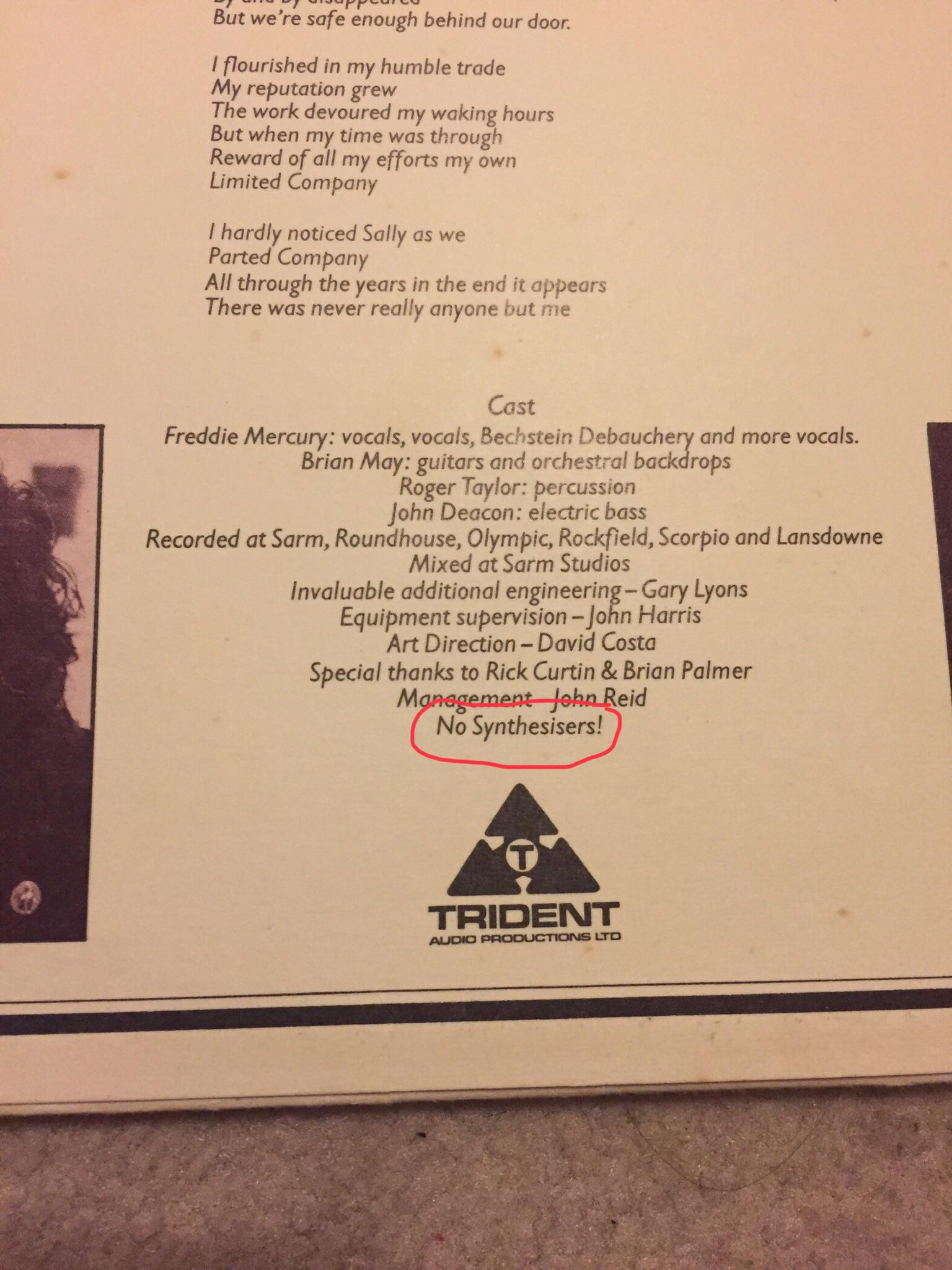
Queen thought it important enough to state on the covers of several of their early albums that everything on them was "human made" — much like people today consider it so important to know whether AI was involved in producing a piece of content that transparency has become a legal requirement (see Art. 50 AI Act, applicable since August 2nd 2026, this very week).
"And nobody played synthesizer."
Later, they indeed used synthesizers, without mentioning it, and there are nice long reads on the matter on the internet, like this or that one.
I heard the story via the podcast Holger ruft an, in an episode on AI generated text in journalism.
As one can't talk about "Bohemian Rhapsody" without mentioning another song from the same album, there's a second NSFW this week. The iconic "Love of my Life" - again, played without synthesizers.
This is the live version from the Wembley Stadium Concert in July 1986 - 40 years ago:
Here's the official video
and here a version remastered in 4K
(Wouldn't be a problem to wear these shoes today!)
Retrospect
Summer Discourse and Sommerhochschule
The summer discourse kept me quite busy - and happy - on Friday and during the weekend. I recorded, edited and uploaded, in sum, more than 6 hours of content.
Here's an overview:
I was, again, fascinated about the depth and quality of the presentations and discussions and appreciated the unique mixture of dedication, internationality, diversity and openness. This is truly a highlight, every summer. Next year's date was already fixed, so may I kindly advise you to block July 28- 30 2027 for next year's edition.
My teaching in Strobl takes a lot of my time as well, but it's worth it (for me). I tried an experiment this year by asking students to produce a podcast on topics discussed as their final exam work. I also asked them to present CJEU decisions in class. The outcome was inspiring. For my own presentations in class, I had a closer look into Europe's digital decade 2030 reports from this year and once asked Claude to autonomously provide a slide deck on Austria's performance.
The outcome is good, in my view, but it has a specific presentation style and tone that make these presentations very identifiable - and I saw them in class several times. This reminded me of art. 50 (4) of the AIA act that is to be applied since August 2nd 2026.
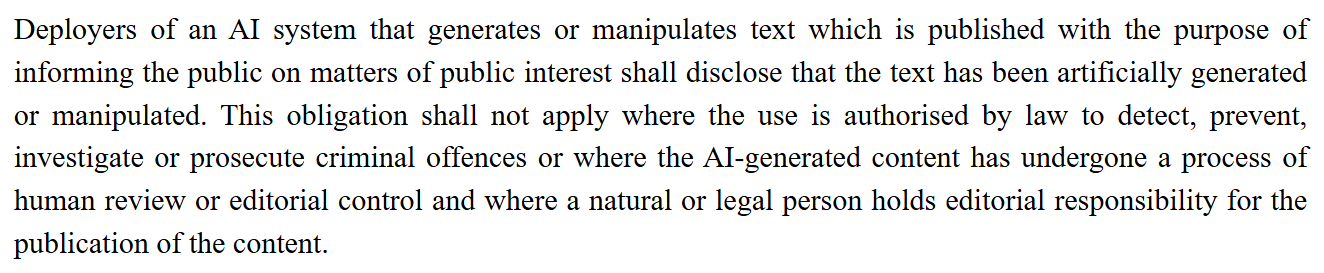
Is this to be applied in teaching environments? Does the exception "This obligation shall not apply [...] where the AI-generated content has undergone a process of human review or editorial control and where a natural or legal person holds editorial responsibility for the publication of the content." - if applicable - have any consequences for (University) rules on good scientific practice? And what - precisely - would be required here now?
The topic we constantly discussed was whether it was appropriate to introduce s social media ban for the youth, as it was proposed by the Austrian Government recently.
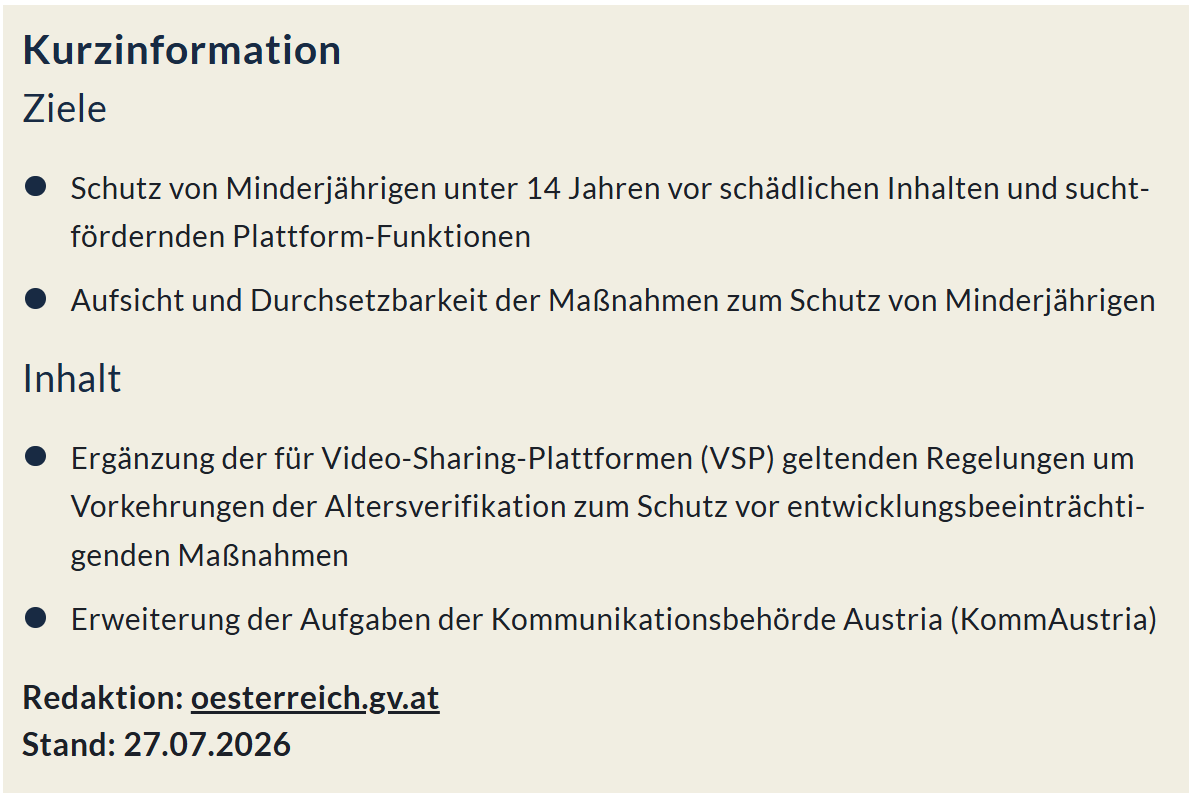
My students' opinions on the matter were (very) critical with a lot of very reasonable arguments which made it, again, very apparent to me how much this debate lacks input from an evidently important expert group - the young.
Prospect
Despite of the heat, it's clear that autumn is approaching quickly so that I allow myself to share some events and gigs in (early) autumn that are already scheduled.
AI in Life Sciences and Medicine
On September 28th/29th I will be part of a conference organised by Fraunhofer Institute for Algorithms and Scientific Computing SCAI and the Institute for Digital Medicine at University Hospital Bonn in Bonn on AI in Life Sciences and Medicine.
I am scheduled to speak on September 29th
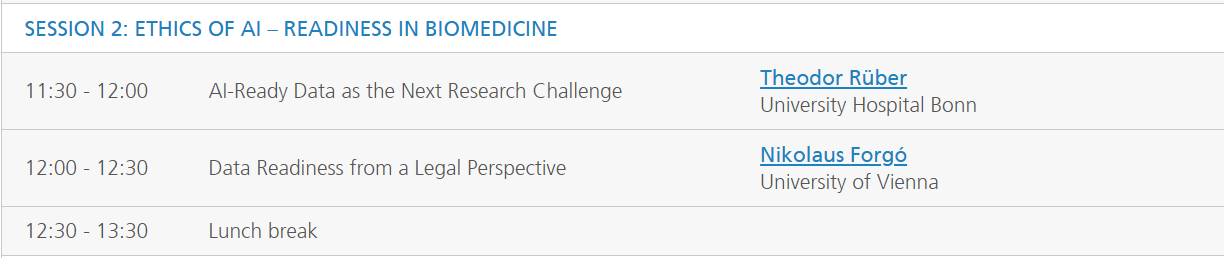
More information is available here and here, registration required.
Internet Summit Austria
On October 1st, ISPA s organising the Internet Summit Austria.

I am scheduled for one of four breakout sessions in the afternoon.
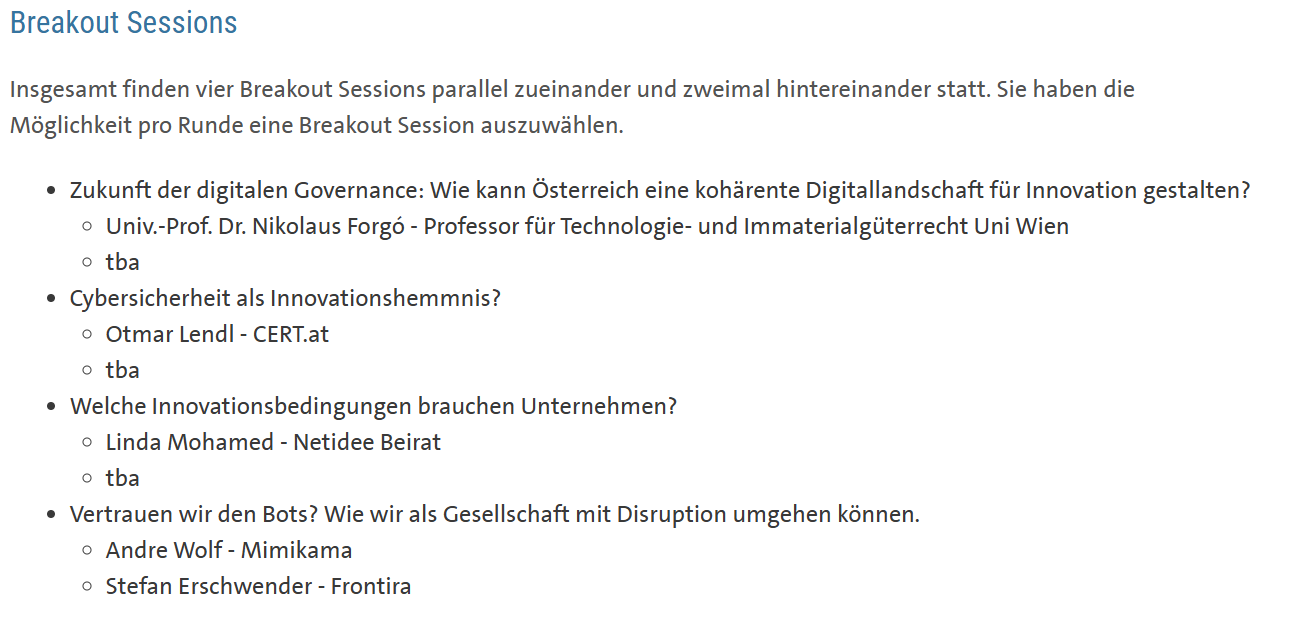
Registration possible (and required).
re:publica Vienna
On October 2nd and 3rd, Vienna's first re:publica will take place:
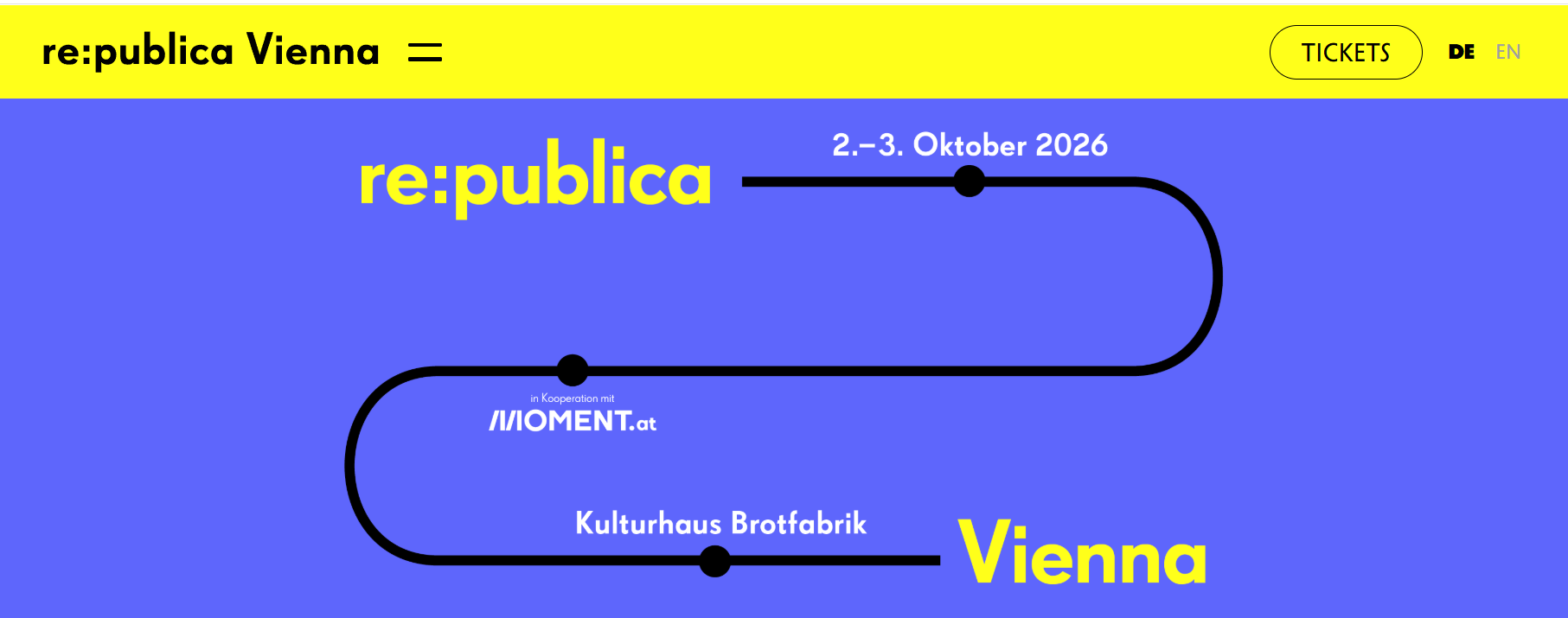
Tickets are available, more info on LinkedIn or Instagram.
Child Safety in Digital Environments
On October 13th, in the afternoon, I am co-hosting a conference together with Prof. Dr. Burkhard Hess, at the Austrian Academy of Sciences, Festive Hall & Aula, Dr. Ignaz Seipel-Platz 2, 1010 Vienna.
The opening remarks will be delivered by Christoph Wiederkehr, Austrian Federal Minister of Education. There will be two panels, one primarily academic, the other uniting perspectives of three different regulatory authorities:
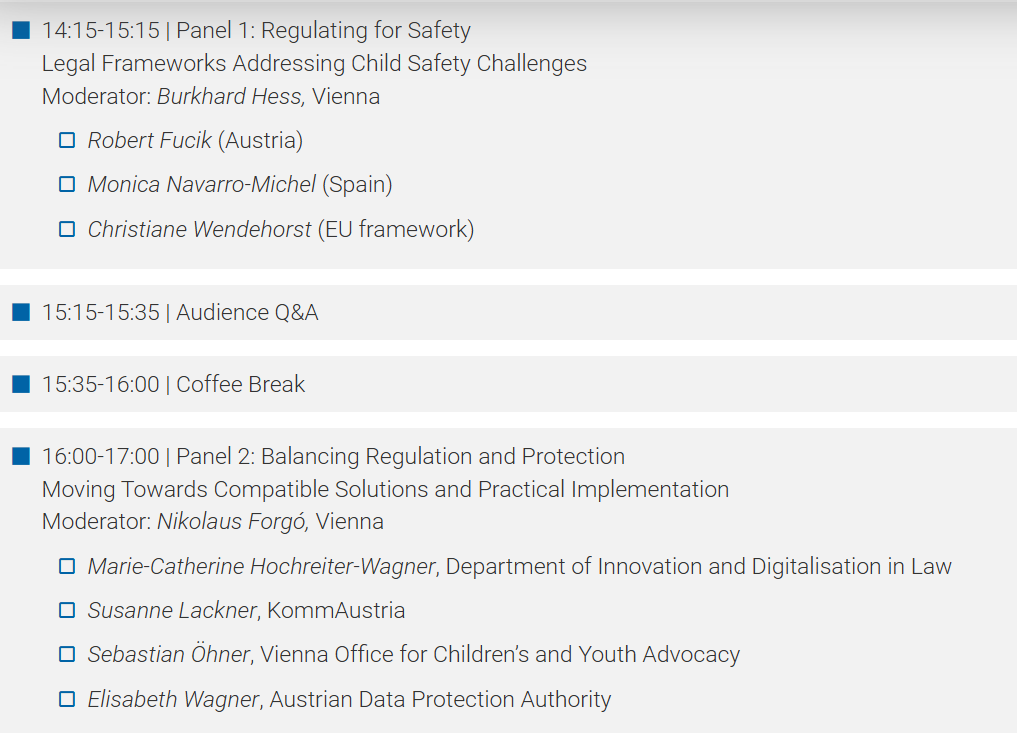
Participation is free, registration required.
Look and Feel
Book Culture and Gorillas
Fabian Burstein did a nice episode of Bühneneingang with Katia Schwingshandl from Buchkultur about books to read in summer.
This led to two consequences. First, I subscribed to Buchkultur (48 € for a yearly subscription with six regular editions).

Second, I followed one of Bursteins references he used during the talk and listened to a - not very new, yet still interesting- six episodes podcast about the delivery service Gorillas (in Berlin) - Cashburners.
It's a (rather sad) story about the fast rise and fall of a German start up with an interesting, yet never cost-covering, idea (food delivery within 10 minutes) and the failure to bring the employees - in particular the bicycle riders needing to deliver - adequately aboard.
Gorilllas' successor and buyer Getir left the German market in 2024. Strangematters has a (very) long read about the case.
Kurt Krömer
During my (too short, too slow, yet wonderful) early morning runs around the lake, when the heat was still bearable, I listened to the audiobook version of
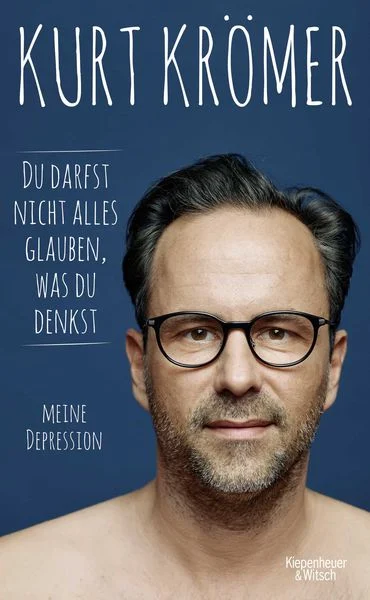
It's a very open personal story about how to deal with a clinical depression. It's neither 'serious' literature nor does it bring any relevant news on the disease, but that's also the book's strength as it is just a personal story of a (rather) random guy.
I don't know too much about or from Kurt Krömer (or Alexander Bojcan, his real name) apart from the very fundamental (and 'tense') interview he did with Julian Reichelt - of which, unfortunately, I can only find a short excerpt today, as the long video is no longer in ARD Mediathek.
Der Standard, Meedia and Reddit (and many others) have opinions on the episode.
Have a wonderful week and take care of yourself!
Kind regards
Nikolaus (Forgó)
P.S.: Here's a bonus picture from the lake.