Week 50/2025
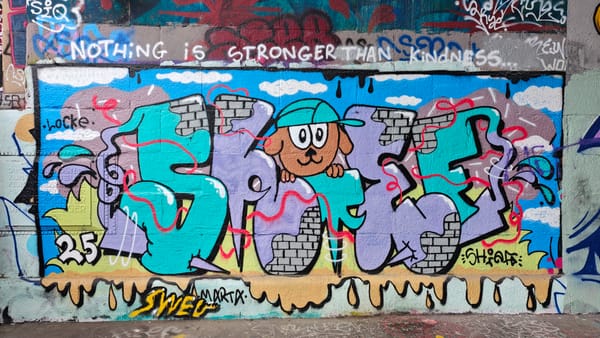
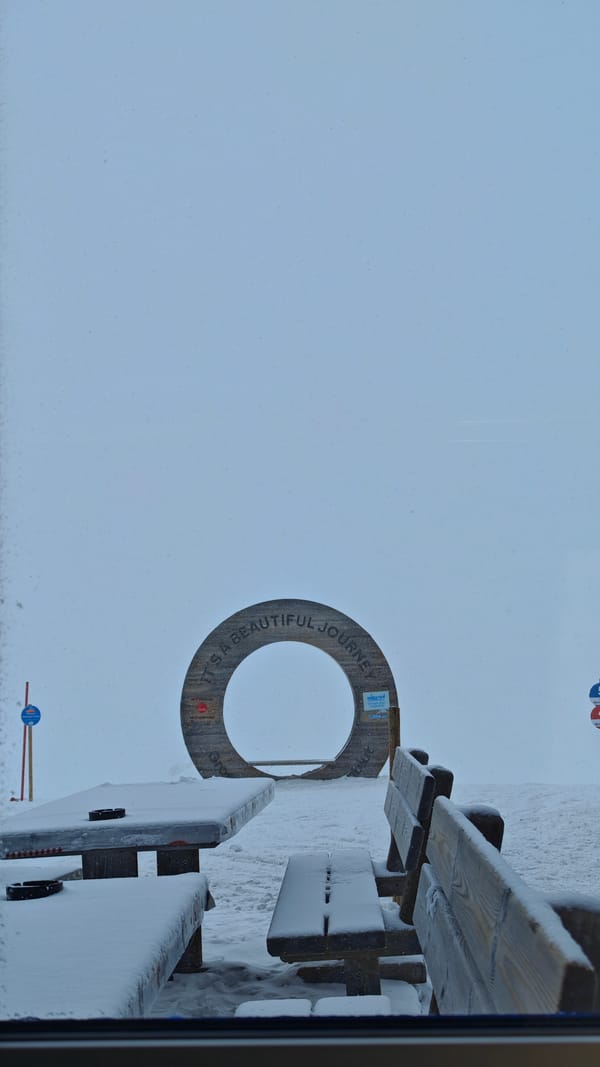
As we twirl around


NSFW
This week's NSFW is from Irish singer Imelday May.
YouTube:
It reminds me of a Bond-song and I like the rhythm that would fit into one of Vienna's ball rooms.
Here's more about her and the album:
 Sam Liddicott
Her website is nice too.
Retrospect
Cyberlaw Brno
12 from the department made it to Brno to participate at "Cyberspace" at Masaryk University Brno.
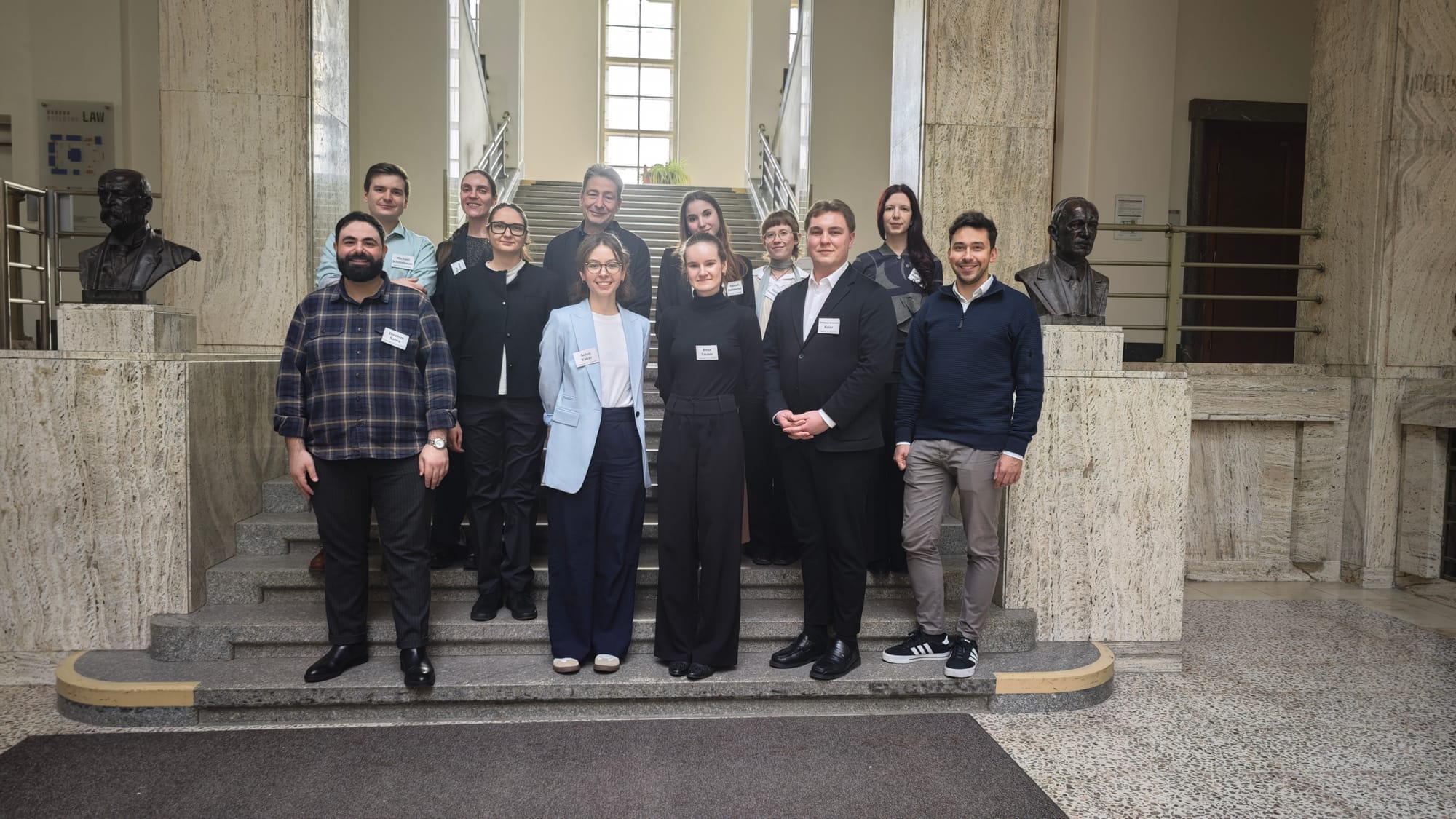
It was a very nice weekend trip (like every year, see Weekly 48/2024 and 49/2023 - after three times it's a tradition). The conference unites 300 people or so from all over Europe and is a perfect place, also for younger academics, to come to one of their first presentations and to get an overview about hot topics currently debated (AI is everywhere here as well.). Many of us were dealing with synthetic data, AI and data protection this year.
I warmly recommend participation.
#arsboni
How will legal research and education change due to LLMs and how should authors and students, universities and students react to these changes. This "simple" question was discussed with one of the leaders in the German debate, Prof. Dr. Gerrit Hornung, on Friday.
On Monday, I had the pleasure to talk with Dr. Katharina Zwins who is a fully trained layer working as fact checker for Gence France Press.
The Vienna Legal Literacy Project made an episode on insolvency law and excessive debt of young people with Dr. Heinrich Nagl.
Data Sovereignty
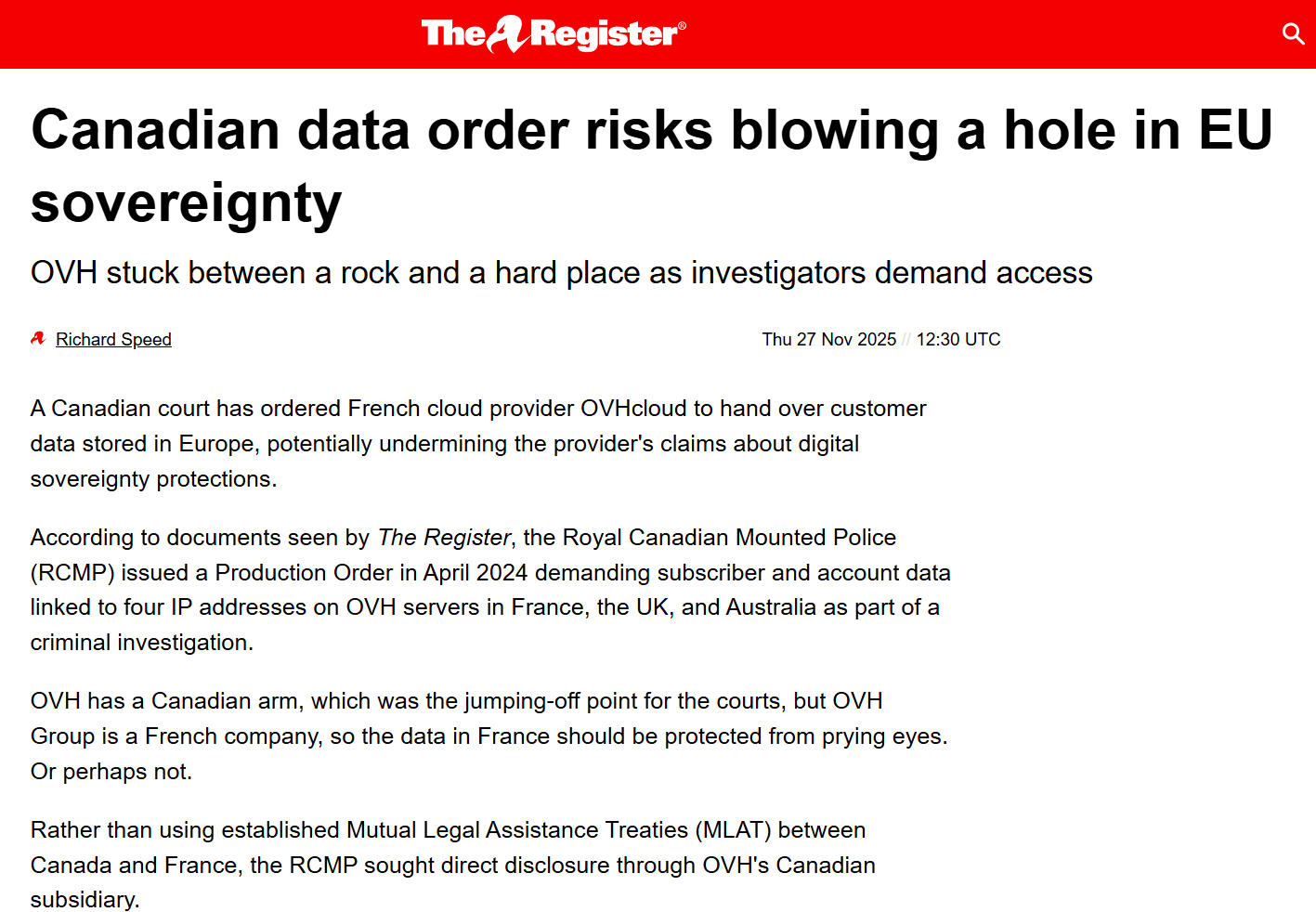
Issues that had beed discussed last week on how courts should get easier access to digital evidence (Weekly 49/2025), popped up this week as well - but this way the other way round than usual. This time it's not European officials chasing US-companies, but a Canadian court bothering a French company.
AI, Kurz, Thiel
The Diary of a CeO has a very interesting podcast interview with digital ethicist and former Google employee Tristan Harris on the (near) future of generative AI and its implications.
Spotify
YouTube
These are well invested 2 hours into where, possibly, the AI race might bring us to. Harris knows a lot about the industry and he calls a lot for regulation. The story of 1.000 Amazon employees
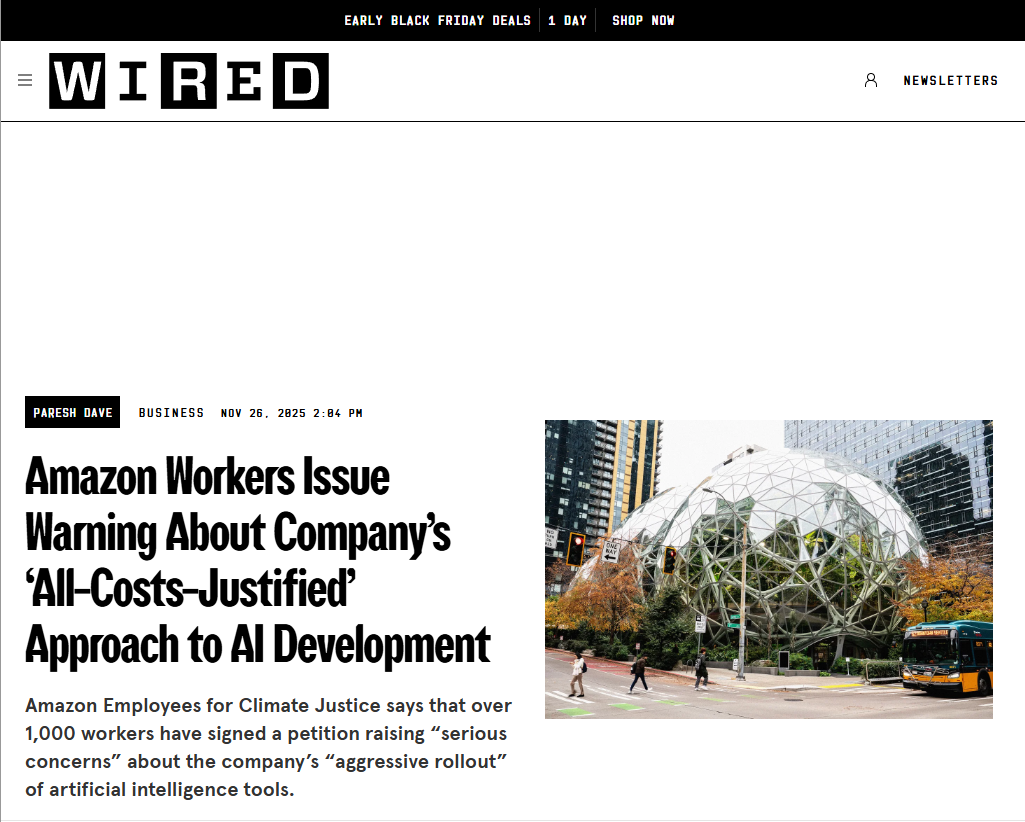
having signed a warning letter on social and environmental costs of the company's AI development fits here as well.
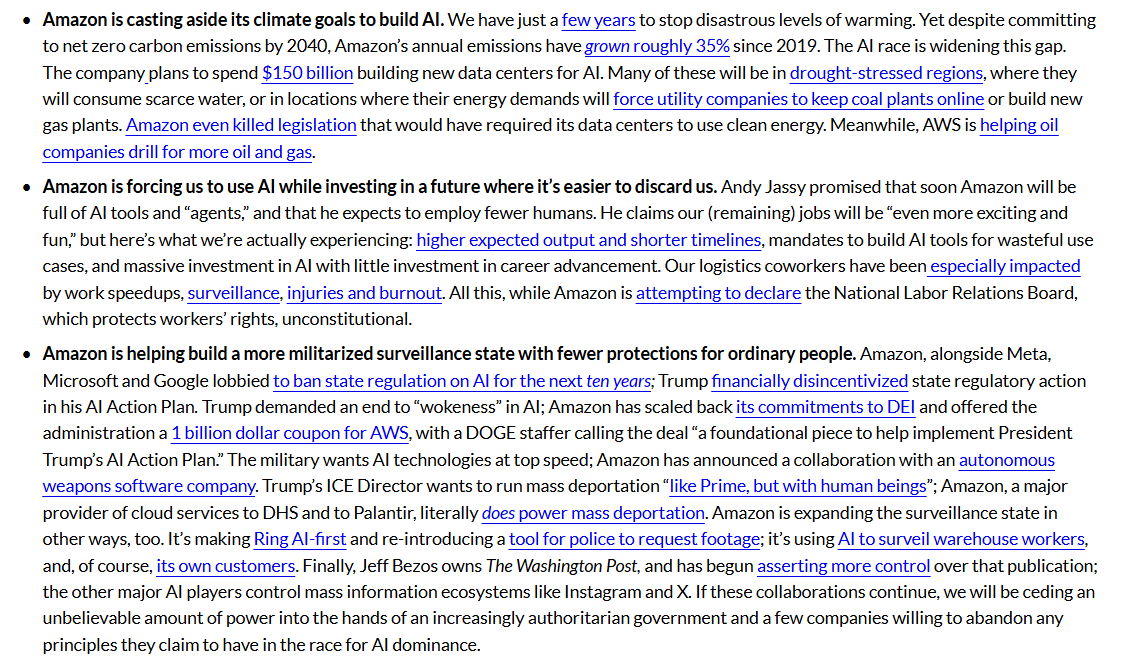
I find it striking that none of these issues would be (hypothetically, somehow) covered by the EU's AI-act that doesn't say anything about environmental and military risks and almost nothing about labor market related implications.
Very fundamental criticism of the AI act also comes from ex chancellor Sebastian Kurz now in a recent podcast episode one of my students guided me to: BTM
I would really recommend to listen to this, it shows so much about this person's personality and way of thinking: already the podcast per se is telling: BTM stands for "Business, Technology & Millions".
This is what Kurz says about the AI Act and data protection (at 18' 50'', my translation): "If you look at the AI Act, for example, it's just completely hostile. Anyone who wants to do anything in this field knows: anywhere in the world, but not in Europe. [...] I think there are many, many areas in Europe where fear dominates, data protection, or other things. We will soon feel the immediate effects of this. In the medical field, in the biotech field, the more data you use, the better you will become at fighting or defeating certain diseases. The less you do that, the harder it will be to suffer from these diseases, and the less time we will live healthily. I spend one week a month in Abu Dhabi, where they have such openness in the use of data in the medical field that they have become a hub, even for biotech investments, simply because of this [...]. Of course, this is very much related to whether, when you think of artificial intelligence and medicine, you think primarily of getting better or you think of data protection."
This is, probably, the most outspoken and pathetic data protection (and AIA) criticism from a (former) senior politician I have heard for quite some time. Let me put this in contrast to what Wikipedia says in its first three sentences about the human rights situation in the United Arab Emirates: "Human rights in the United Arab Emirates (UAE) are severely restricted. The UAE does not have democratically elected institutions and citizens do not have the right to change their government or form political parties. Activists and academics who criticize the government are detained and imprisoned, and their families are often harassed by the state security apparatus."
Wouldn't you be happy to share your personal medical data in such a regime?
Frustratingly, I haven't heard or seen anybody writing or speaking about this interview, but I will certainly implement this in some of my upcoming presentations and talks.
I also learned more about Kurz later this week, in particular about connecting points between him and Peter Thiel.
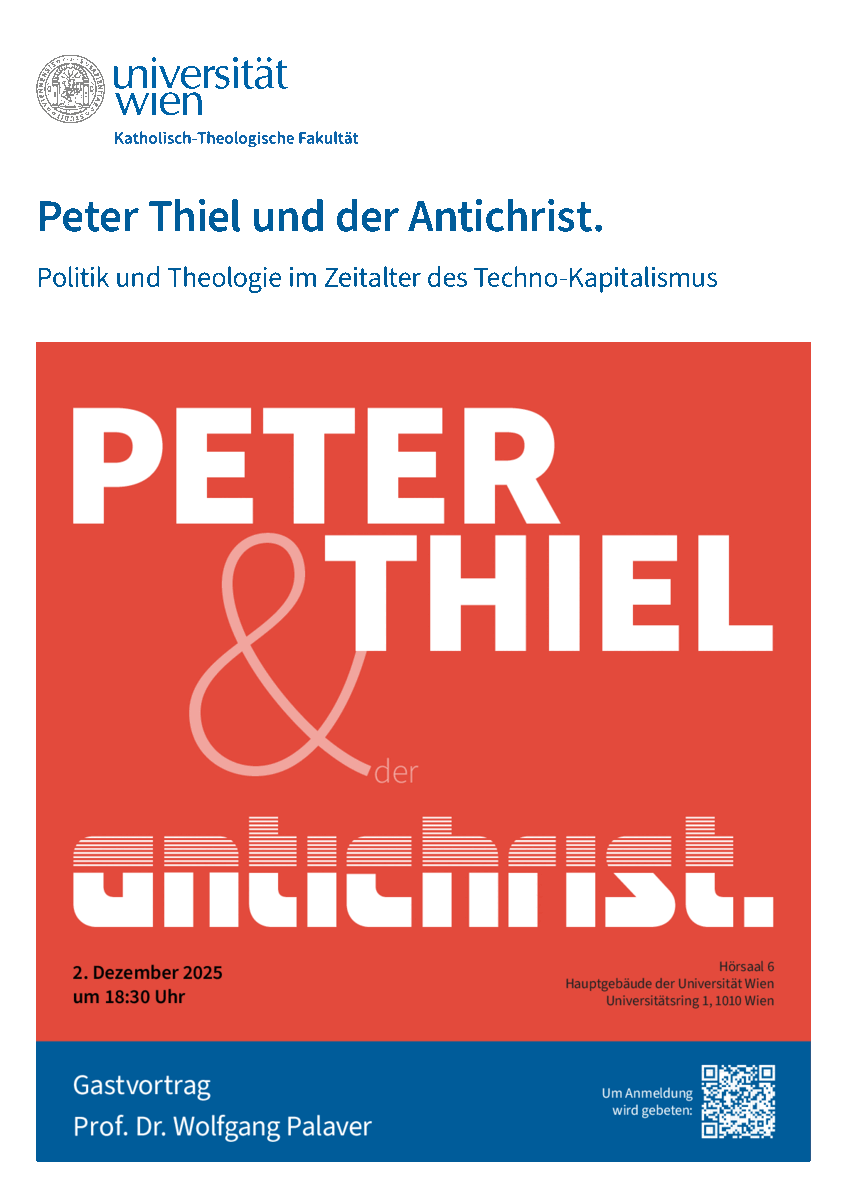
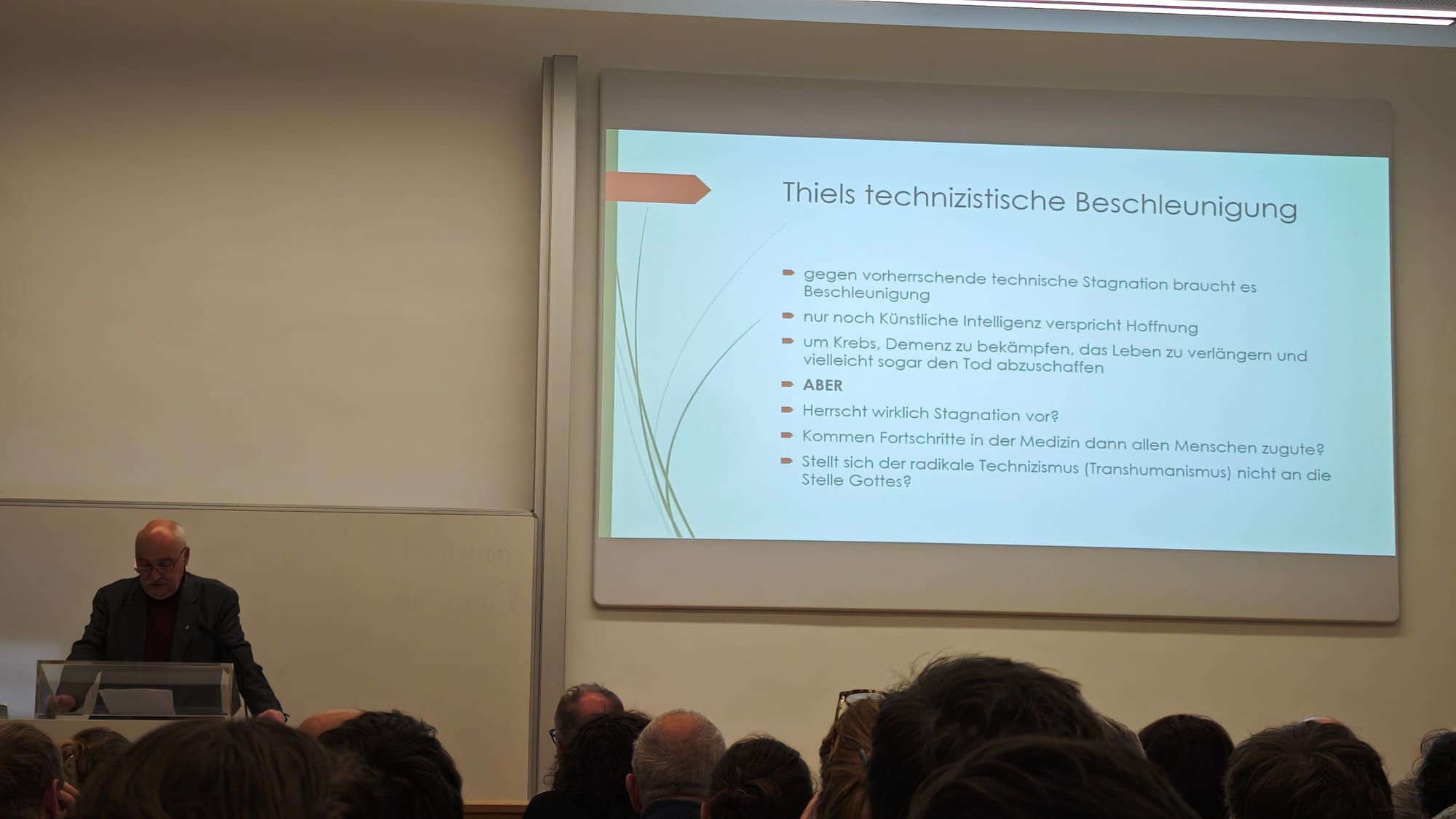
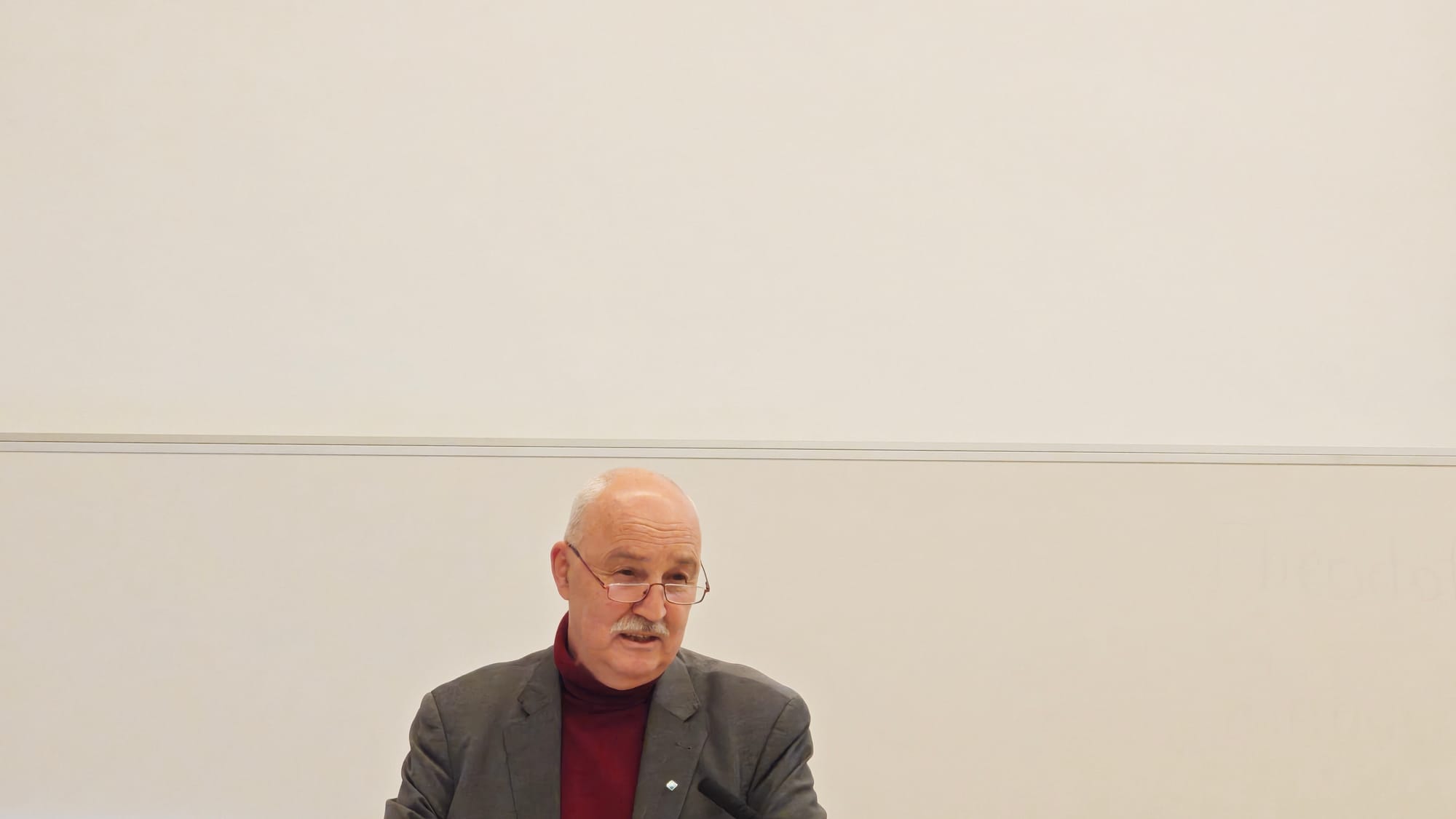
One of the details I learned was that Thiel had received the Frank-Schirrmacher-Price in 2021 and the laudatio should have been delivered by Kurz - which presumably didn't happen due to the political "turbulences" Kurz was facing in autumn 2021 when he had to resign.
Remarkably, Thiel's speech given when he received the price, is public; this is how he described the German (European) future then:
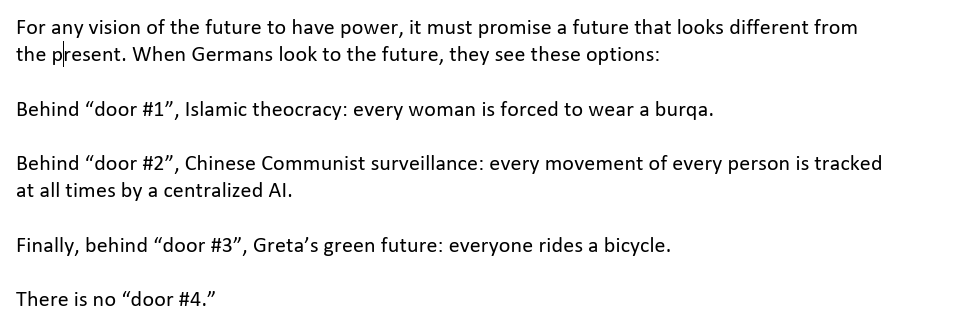
It's really, really, really very interesting how Kurz describes his cooperation with Thiel after his departure from politics (for which he gives, once again, the birth of his son as a reason and not the criminal investigations) in the aformenetioned video (at 22' 14 '')
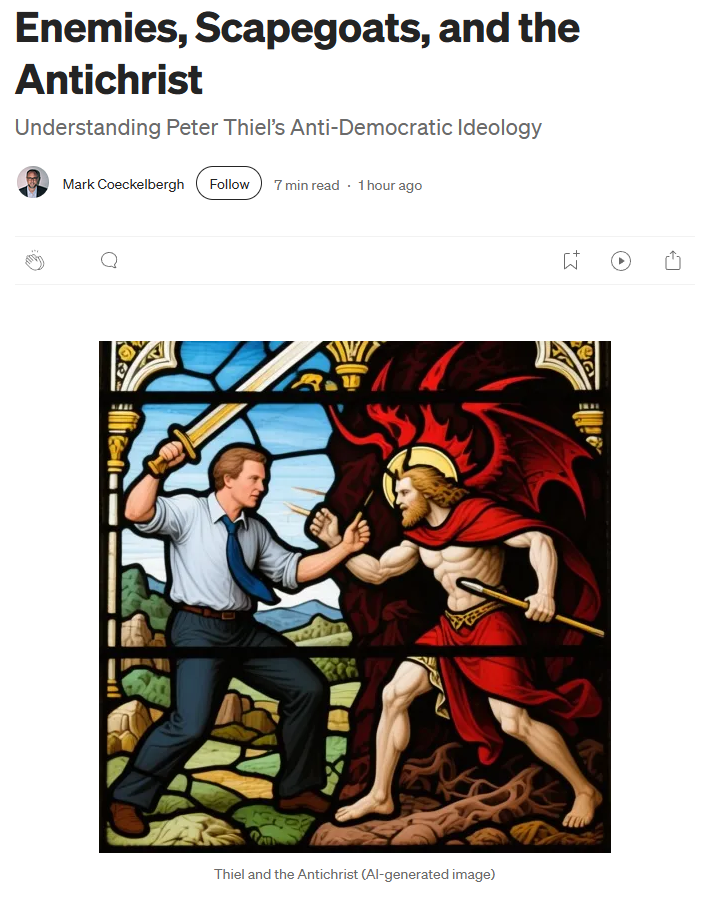
My colleage at UNIVIE, Prof. Dr.Mark Coeckelbergh, was also inspired by the lecture and wrote a noteworthy text about Thiel on his Medium-page recently.
Prospect
Breakfast Lecture
Friday, December 5th, at 9.30 am, brings a new edition of ID's breakfast lectures that are organised by the younger in the team.
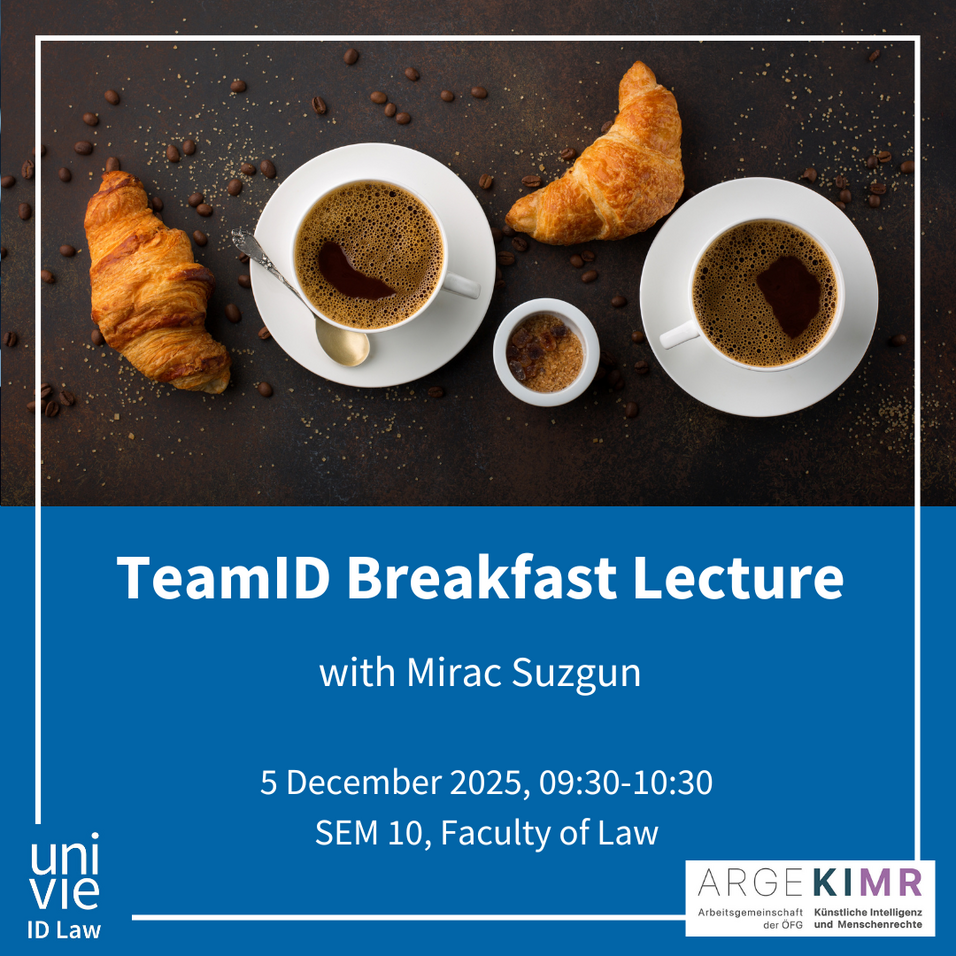
"Can LLMs Distinguish Belief from Knowledge? Implications for Law" is the question asked that will be answered by Mirac Suzgun, Ph.D. candidate in Computer Science at Stanford University and a J.D. candidate at Stanford Law School.
Free entry, registration appreciated.
(Bicycle) Traffic (in Vienna)
I am currently quite busy in debates on whether it should be legal to limit car-entries into specific areas (such es Vienna's city center) and to enforce the law via video cameras.
(Spoiler: in my opinion, yes, under certain conditions). I wrote a rather extensive opinion on this, together with Žiga, some years ago.
Currently, there is a draft law suggesting to allow such traffic controls under certain conditions in parliamentary debate with quite some interest from outside (100 statements so far, and counting). My colleague at UNIVIE, Prof. Dr. Christian Piska, has written an extensive opinion (not yet public, though, if I am not wrong) on behalf on OEAMTC.
As a daily bicycle commuter needing to survive in rather chaotic traffic situations every day, I am quite impressed how difficult it is to make Vienna a better place for people not sitting in cars.
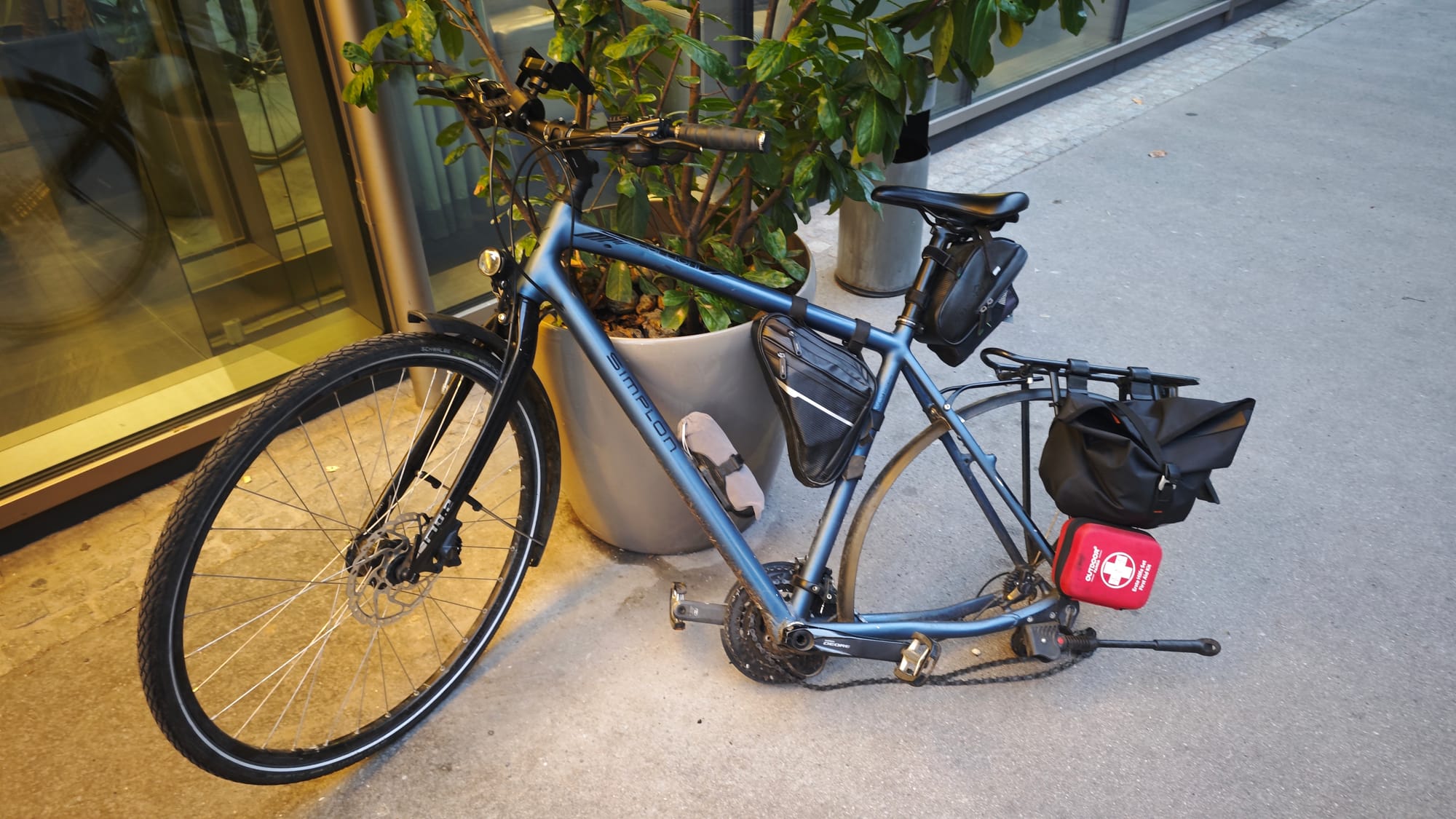
It's ironic but fits quite well into the picture that the rear tire of my bicycle got stolen this week - in the middle of Vienna, in the middle of the day.
Look and Feel
Florian Paul und die Kapelle der letzten Hoffnung
The band will give a concert in Vienna on Tuesday, December 9th. Here's one of their songs for the season:
Some Vanity
Spotify is very good at flattering people, especially with its year in review. Forgive me that I share some of their graphs on #arsboni. 😄
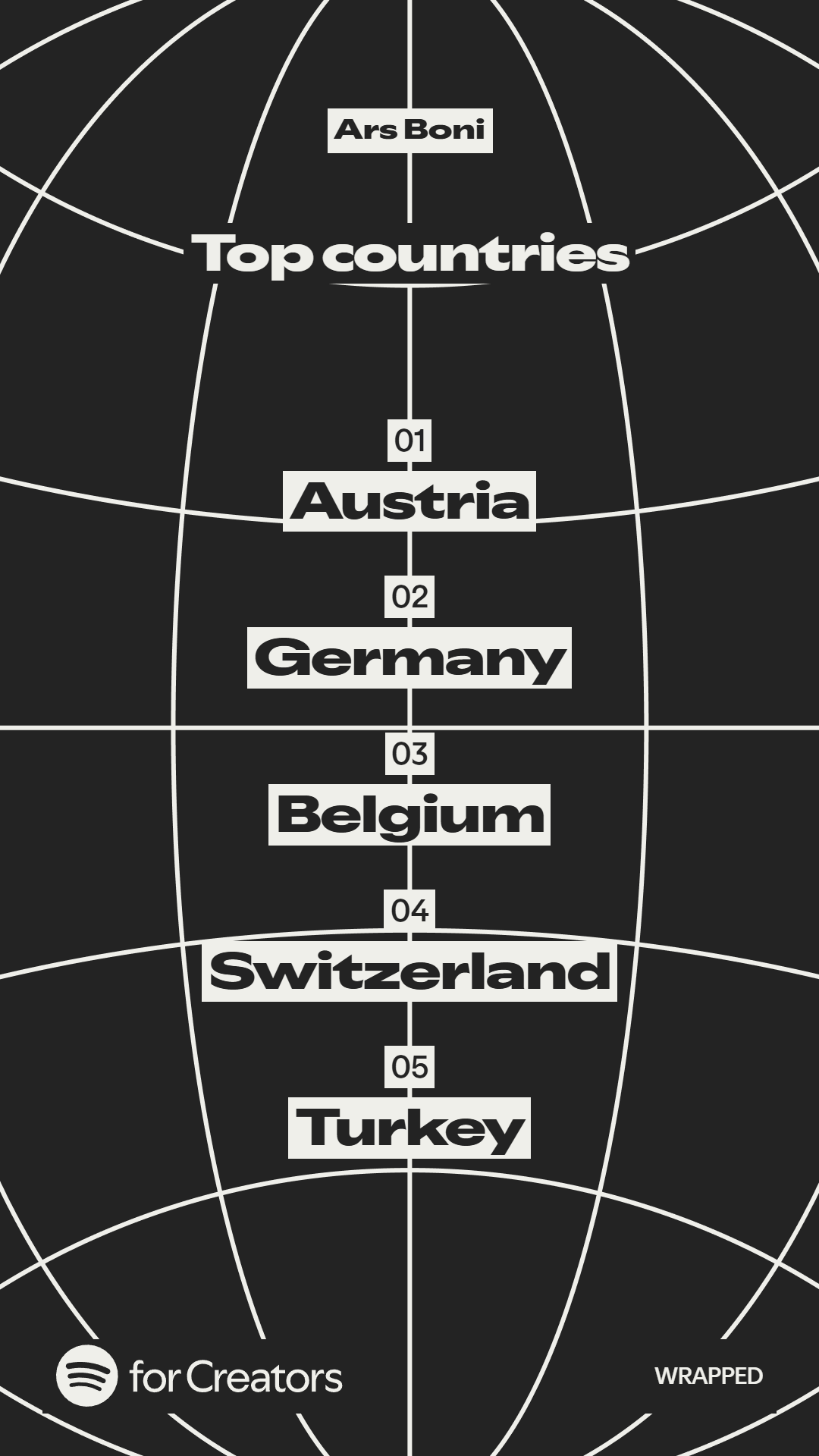
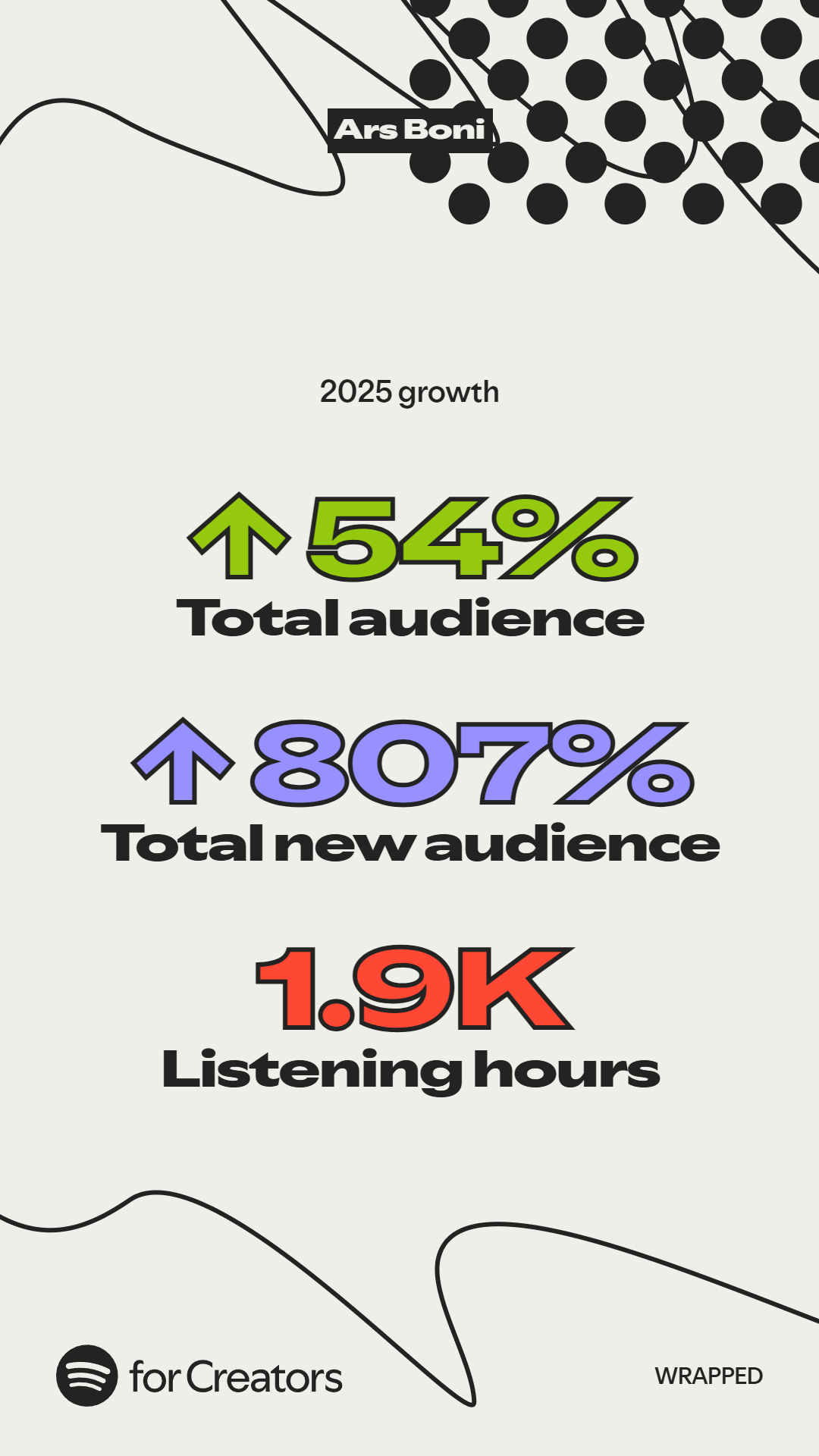
I am especially grateful to those 68 listeners for whom ars boni is their favorite podcast.
Daisy
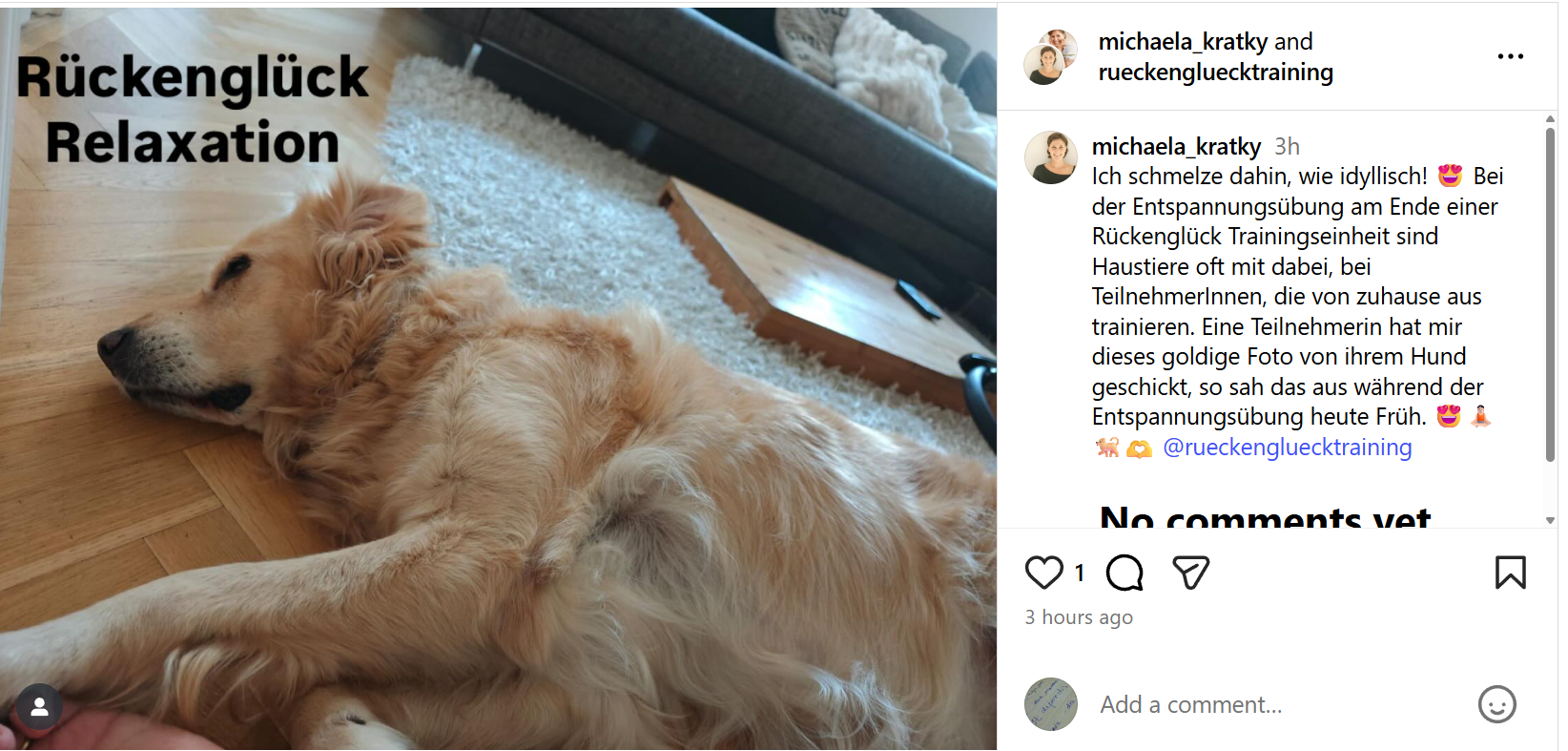
finally starts to become a social media influencer too - and you are the first to know 😄.
Have a wonderful week!
Kind regards
Nikolaus (Forgó)