Week 19/2026
Erhebt sich der Geist

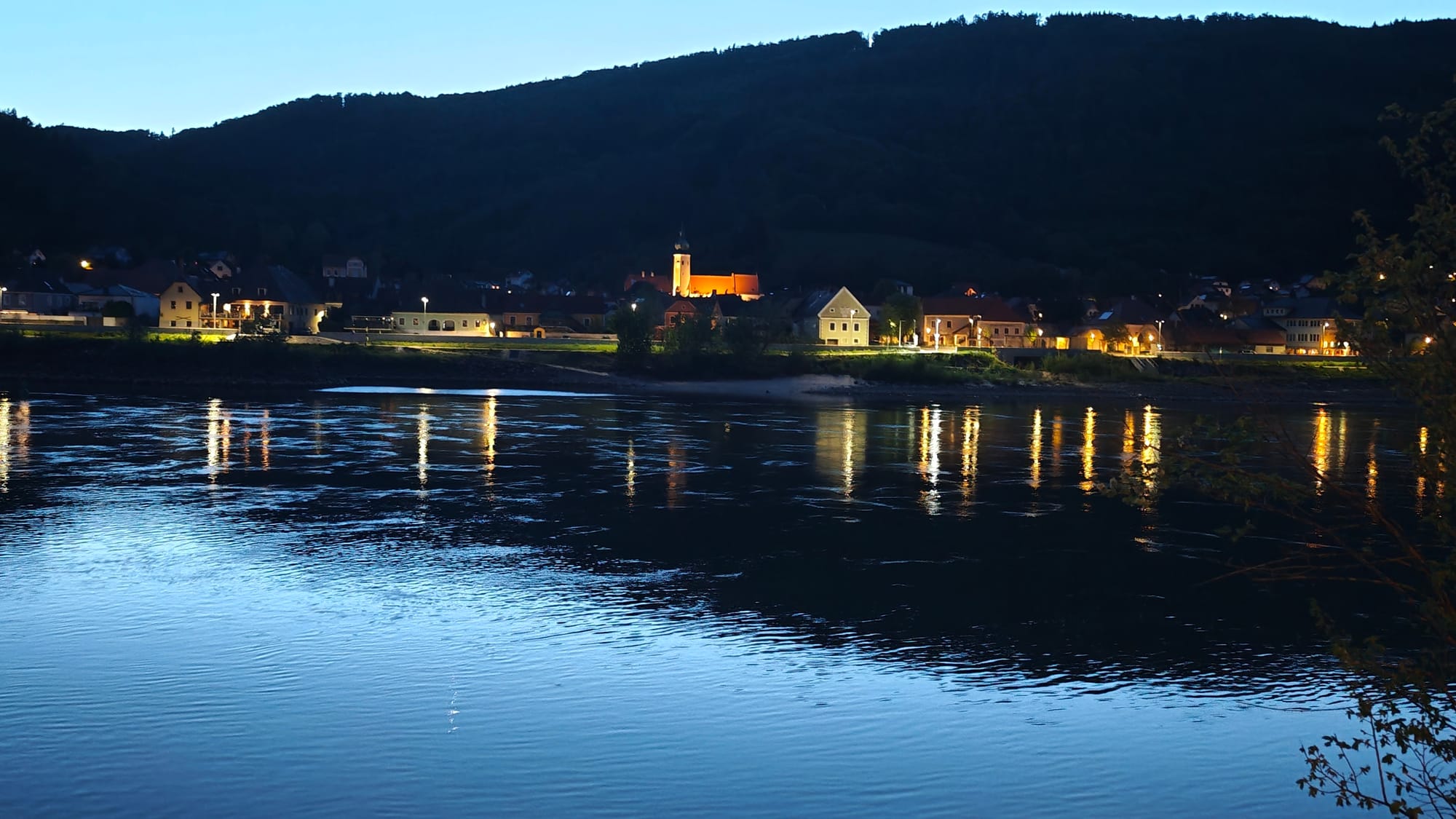
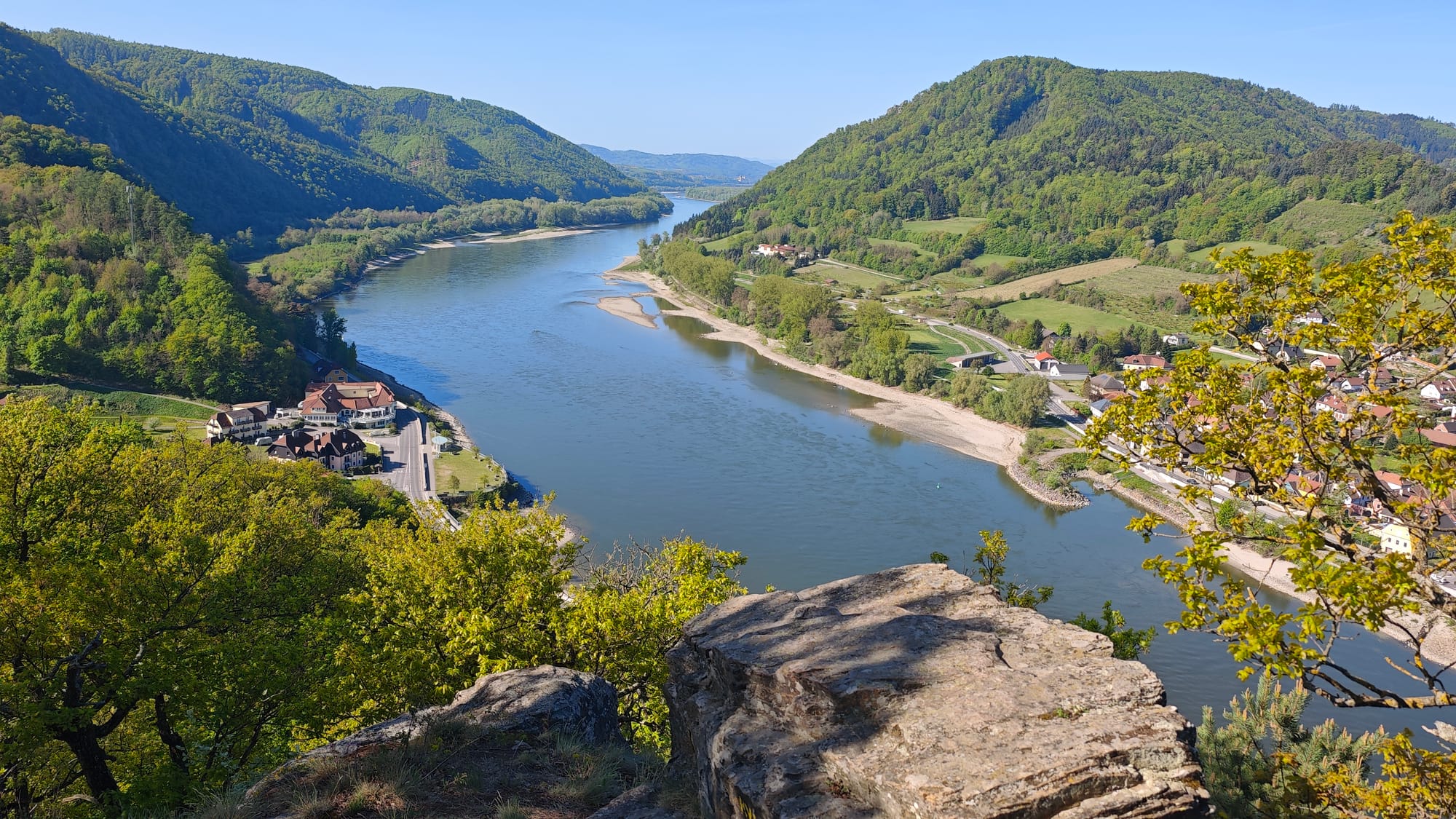
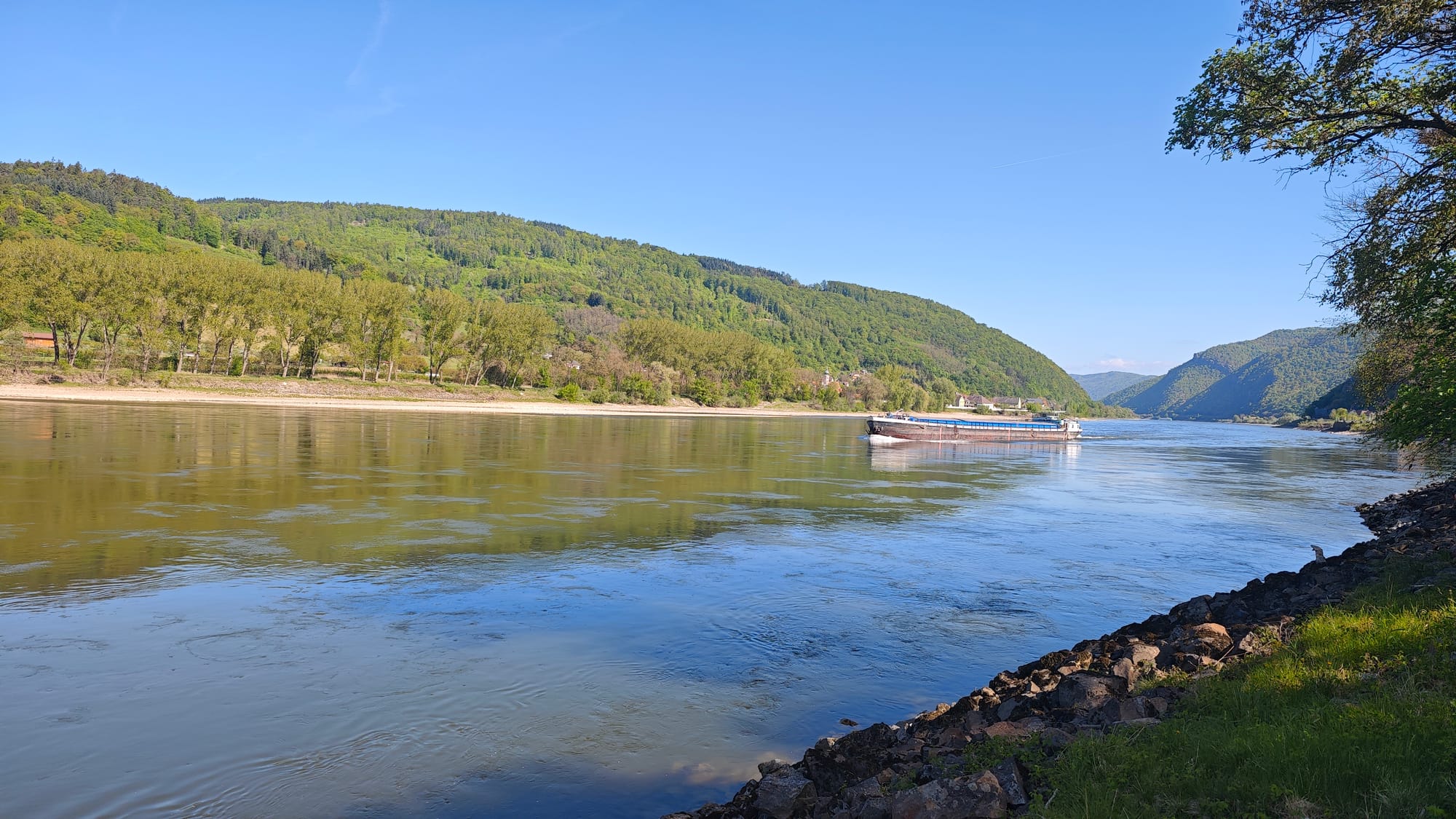
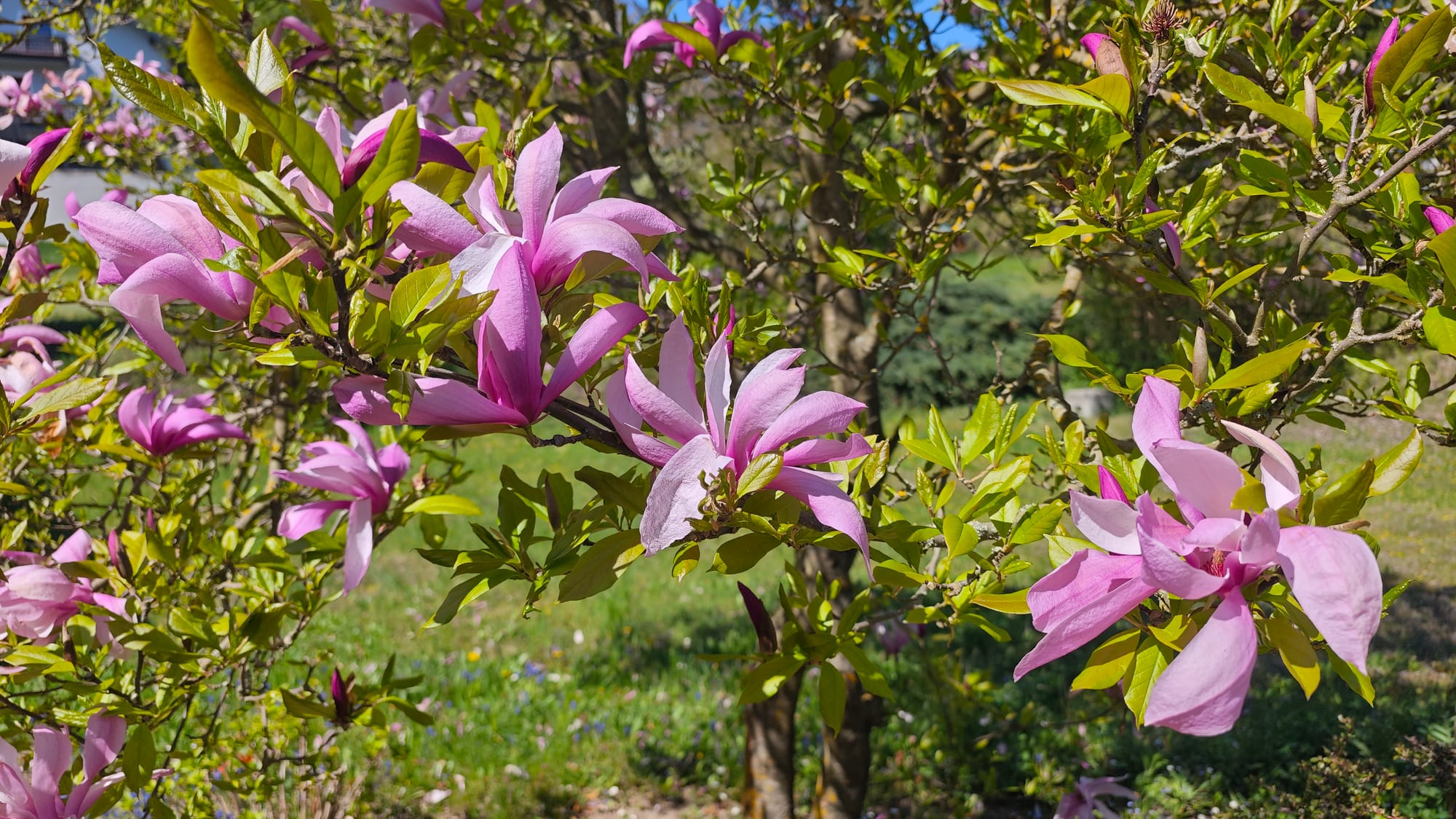
This week's newsletter is published on Thursday already, as Friday is a public holiday. You might use the day off to go to Wachau which is even more gorgeous than normal these days. I did so last Sunday. I learned that (some) magnolia blossoms are edible, and that the area is so very beautiful in spring, yet, again, very arid, due to climate change.



NSFW
This week's song has to be Mira Lou Kovacs and ESRAP.
I covered the song - and her - in Weekly 45/2024 already (without declaring it to be the NSFW), but it fits so well into this season that I somehow repeat myself here. What a clear voice, what a fragile, yet strong, personality, what a performance. Beautiful.
Retrospect
Social Media Ban for the Youth
UNIVIE organised and published a (YouTube-)Video on the matter, with Kathrin Karsay (Institut für Publizistik- und Kommunikationswissenschaft, Universität Wien), Suzana Jovicic (and me).
Digital Regulation Roundtable 2026
Old friend and University claasmate (oh boy, the eighties! :-) ) Johannes Juranek, managing partner at CMS Reich-Rohrwig Hainz, was so kind to invite me to deliver a keynote at their Digital Regulation Roundtable 2026 (organised together with Capgemini). I was more than happy to accept this invitation and took it as an opportunity to rant about #digitalomnibus. Main argument: In particular, but not only, the GDPR-related changes will make things worse, not better, no matter what's going to happen and it's scandalous (excuse my French) that the applicability of the rules on high risk system depends on business decisions of non European players, happening somehow behind closed doors.
I profited a lot from Simon Gerdemann's argumentation he kindly shared with us a in ars boni a few weeks ago
Long Night of Research 2026
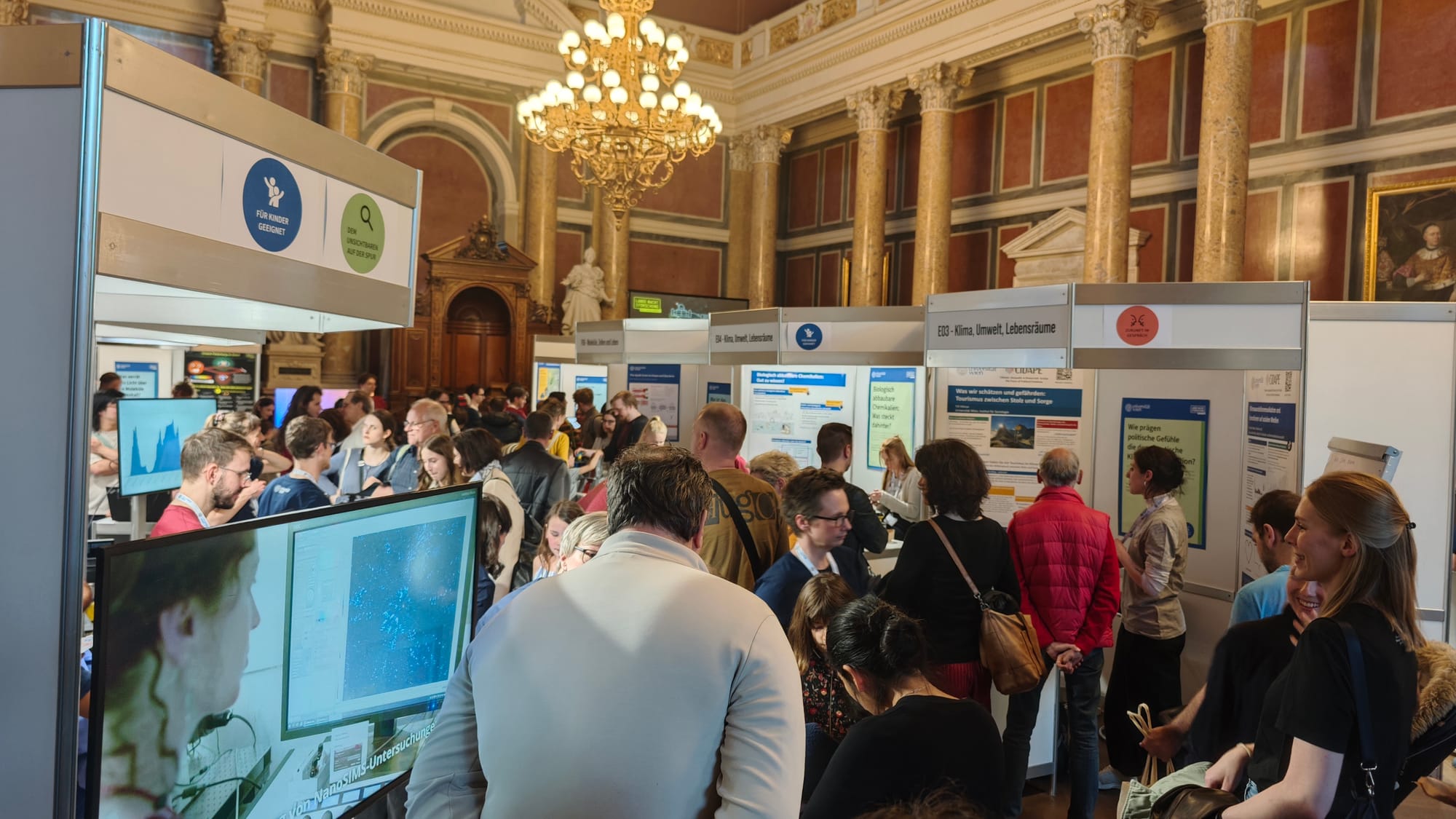
This science communication event triggered enormous interest. It was so nice to see so many people, including many children, being so interested in what researc work is done at UNIVIE. There were so man funny and easily accessible experiments people could undertake, so many artefacts, videos and so on that learning was what it always should be: fun.
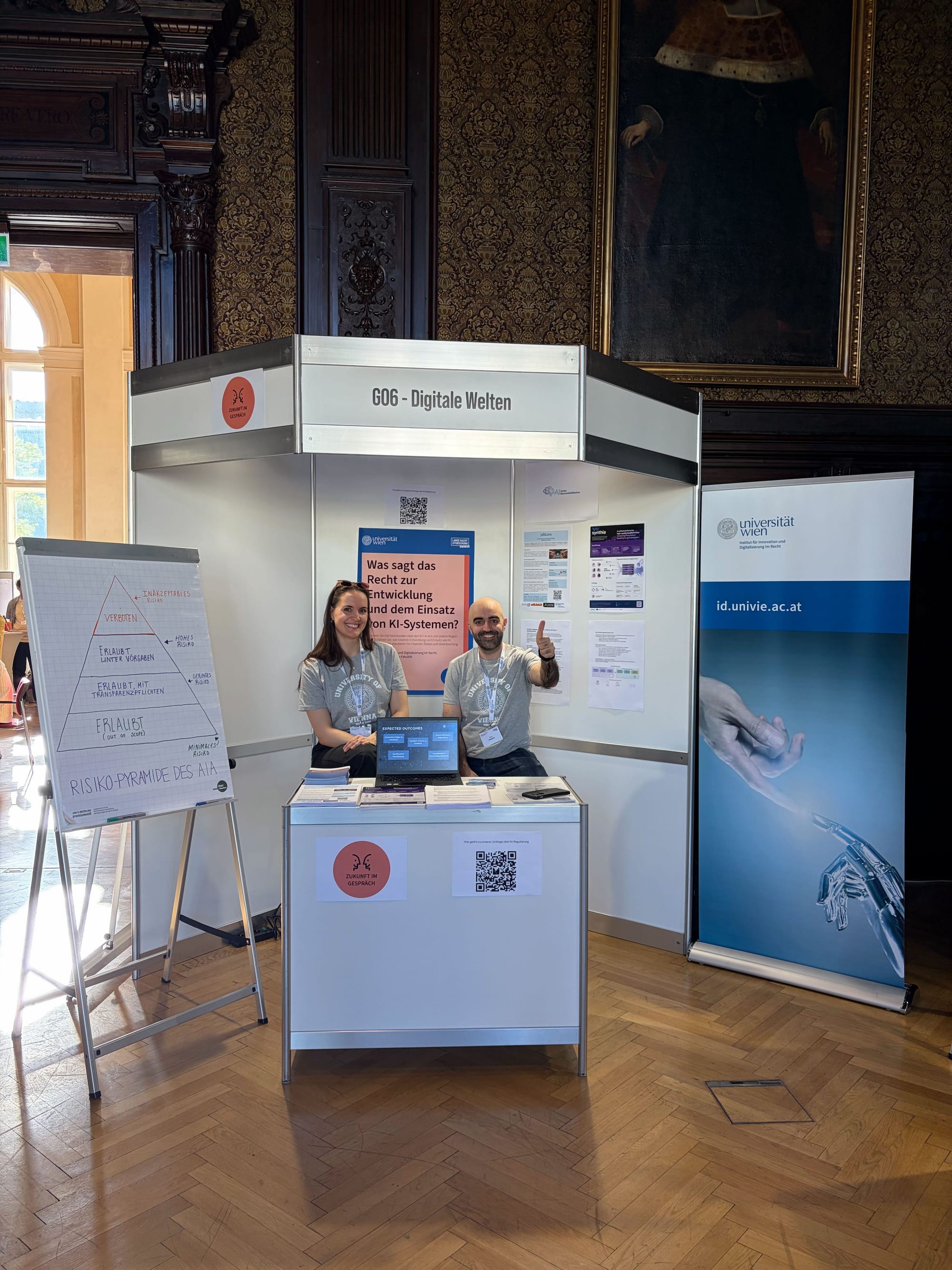
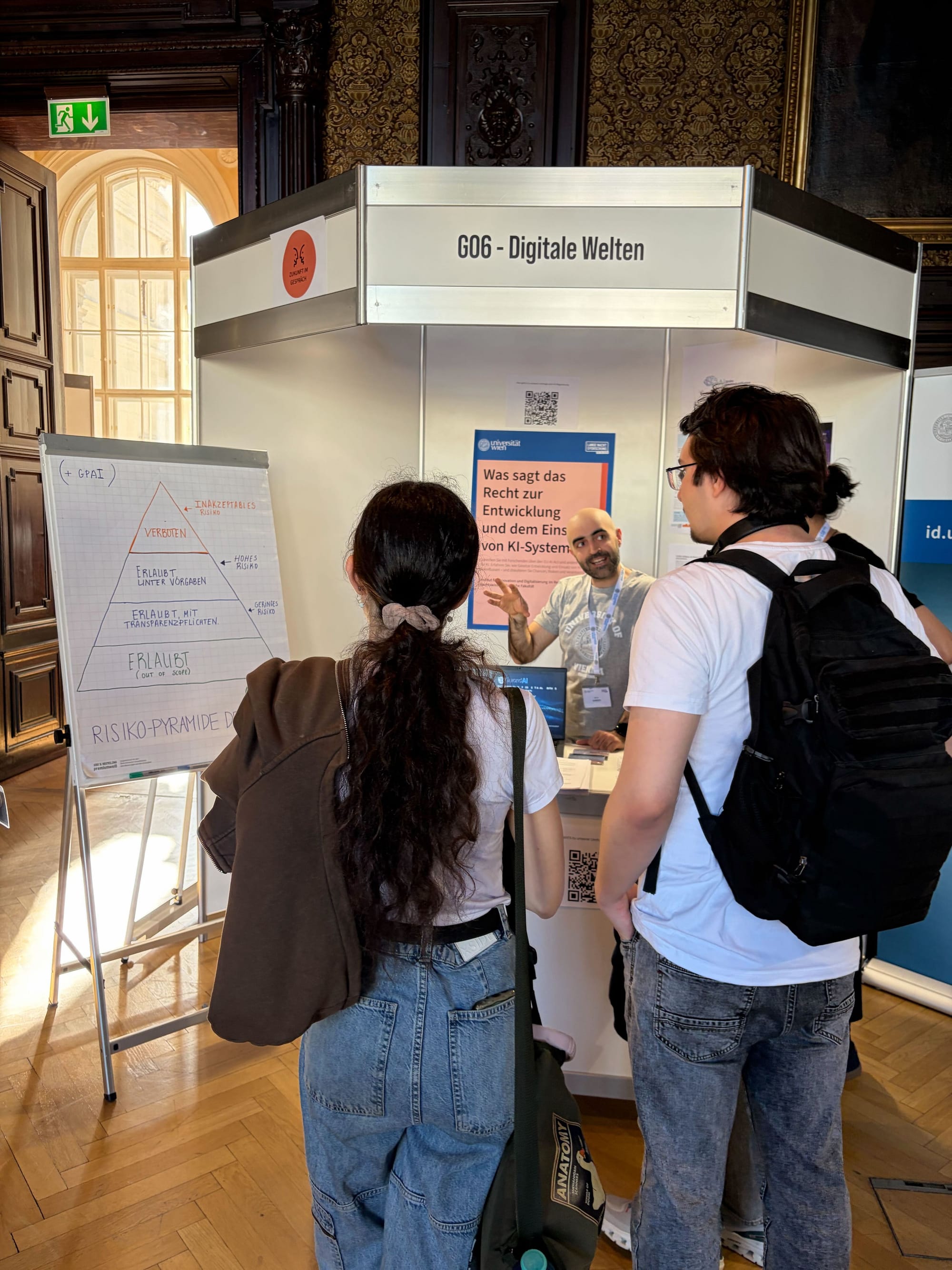
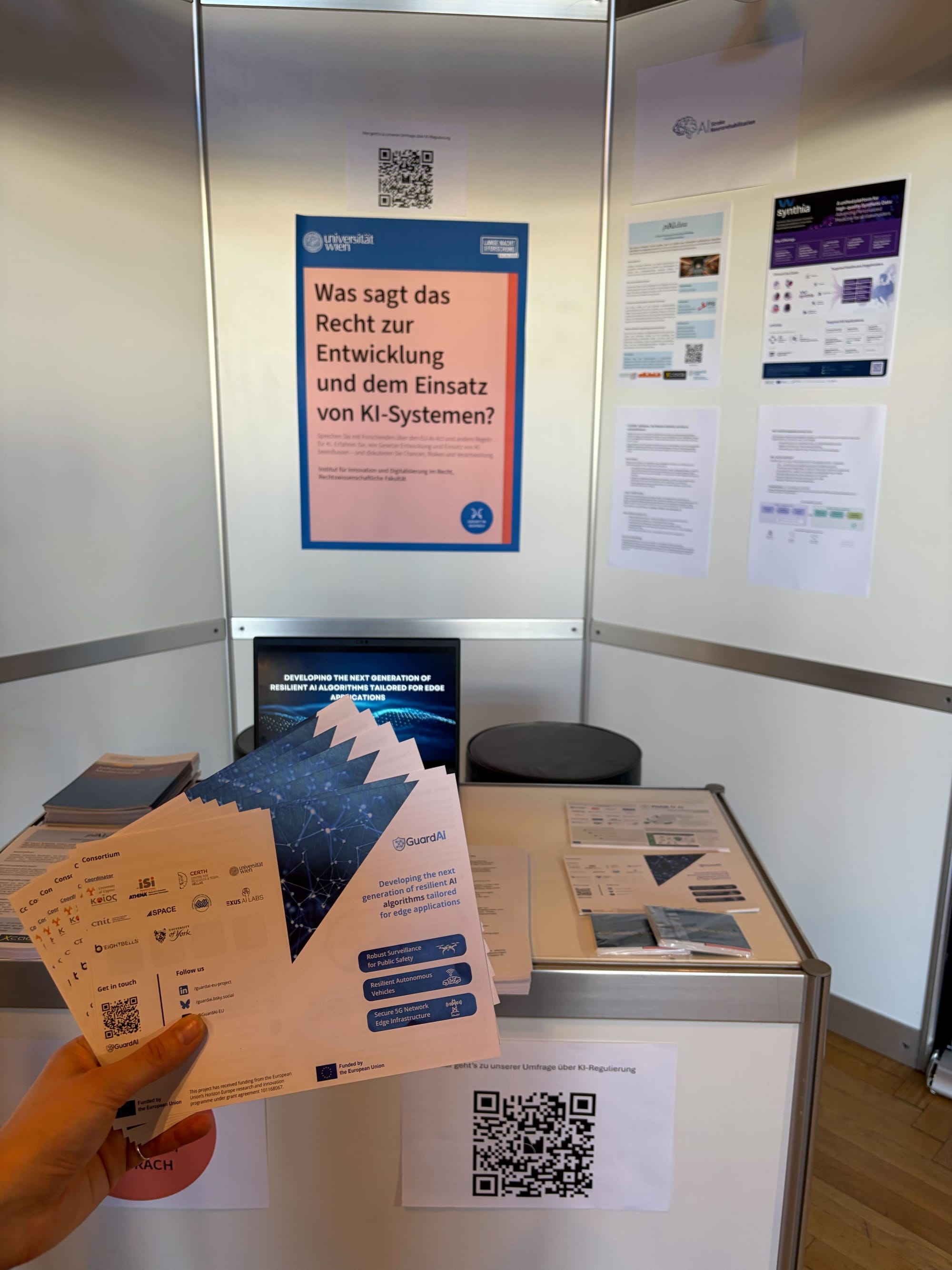
We had a booth there as well and also received lots of interested and interesting questions on AI and its legal impact.
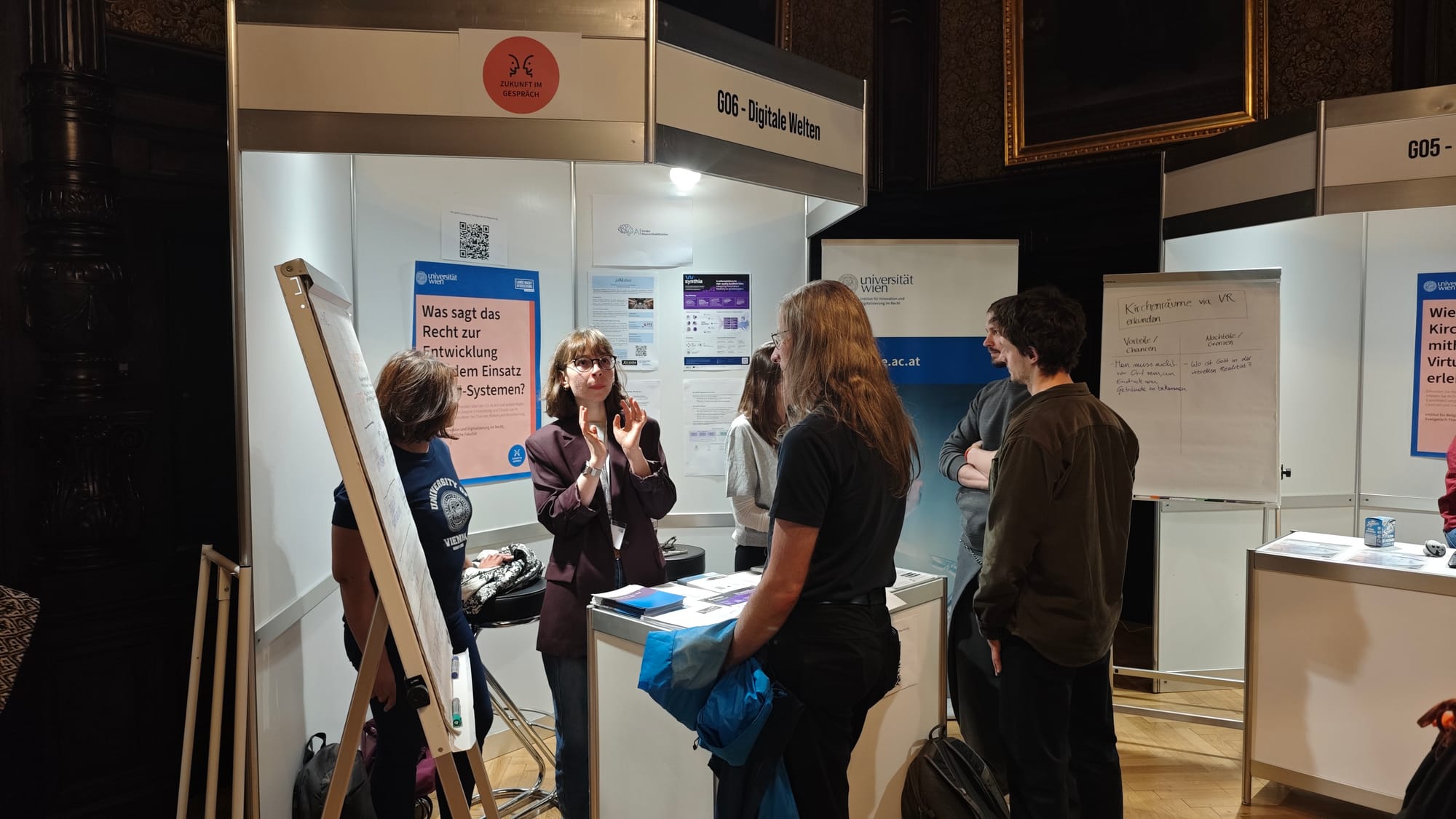
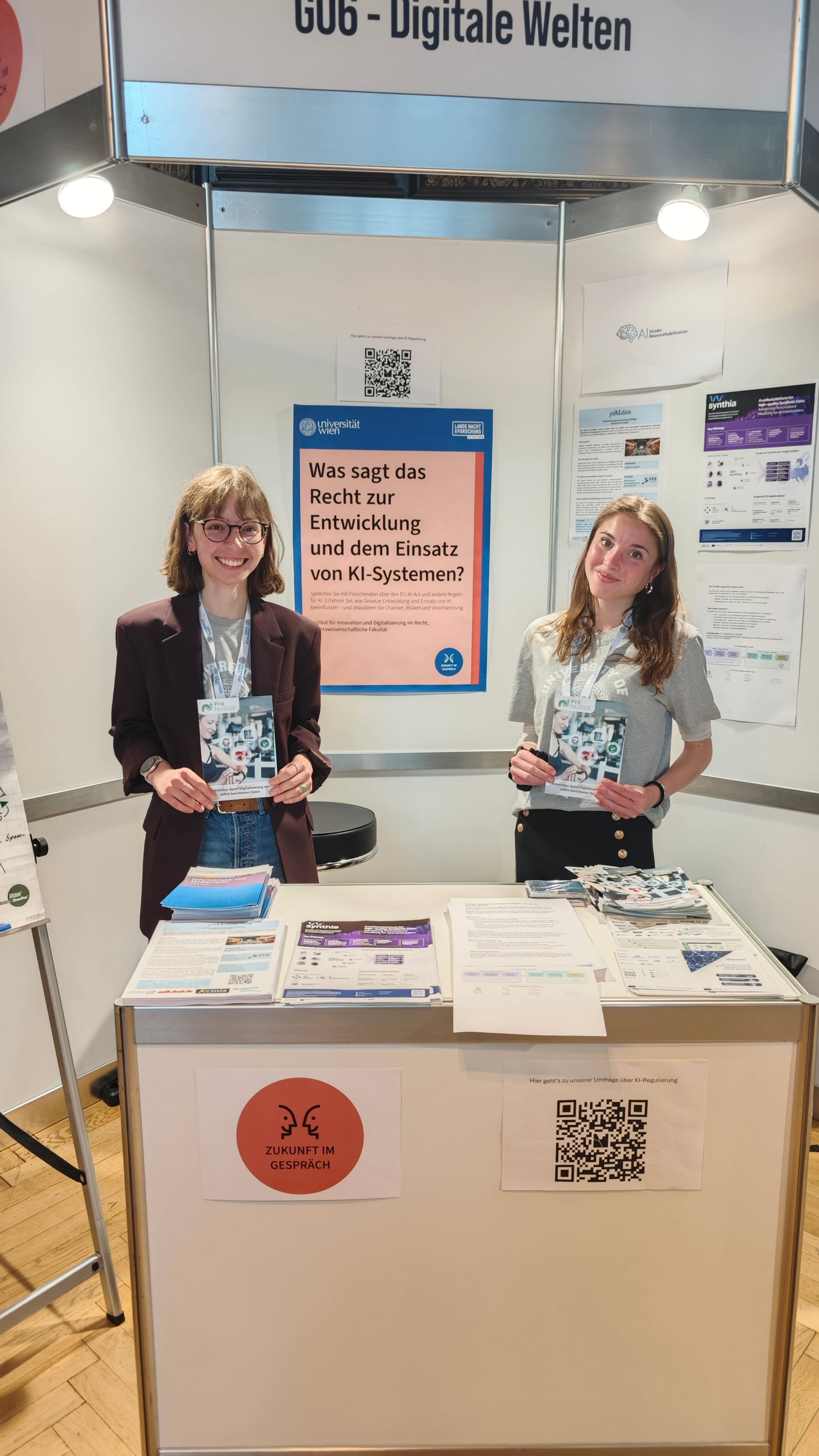
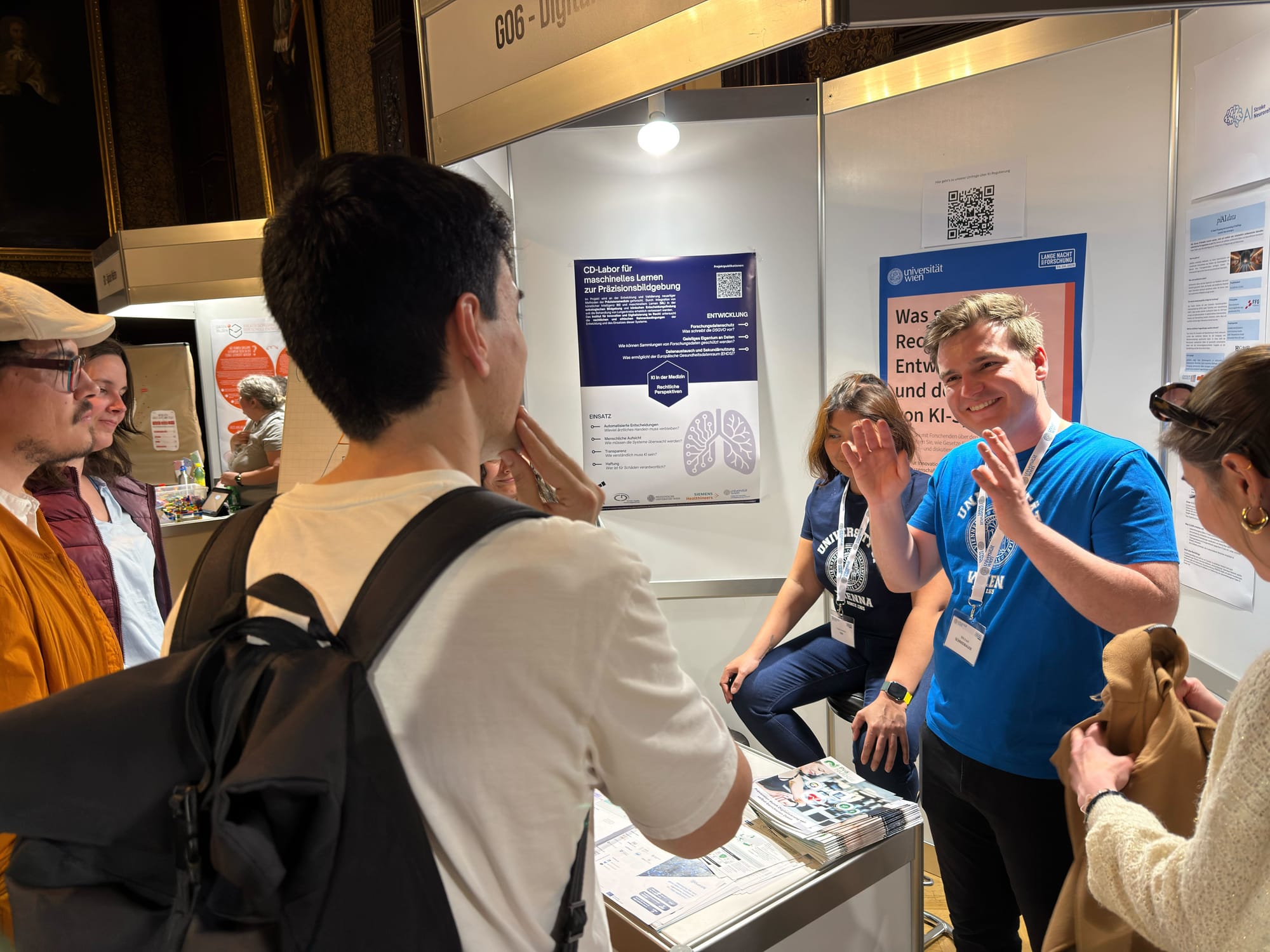
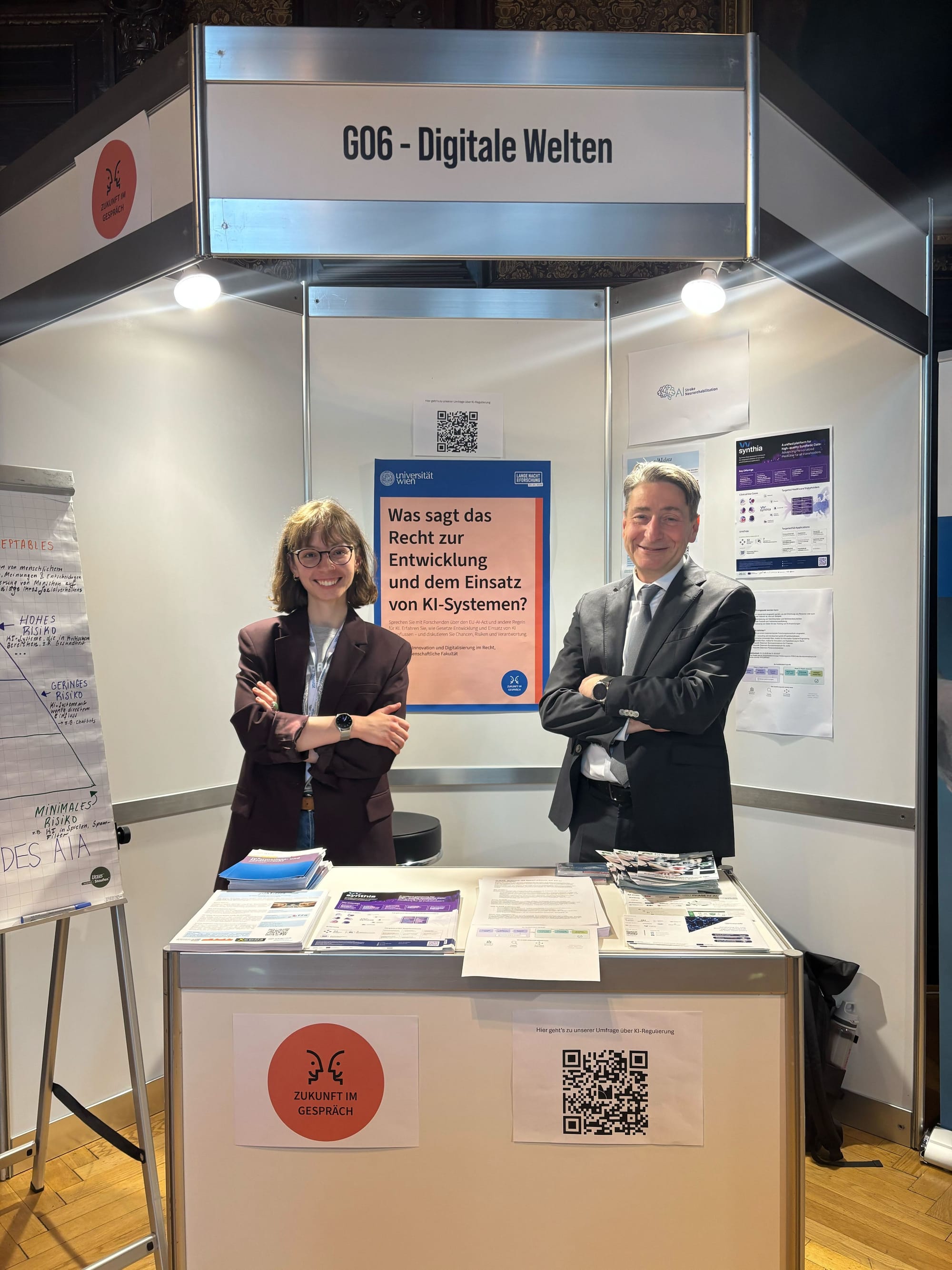
UNIVIE has an official report with more pictures on Linkedin.
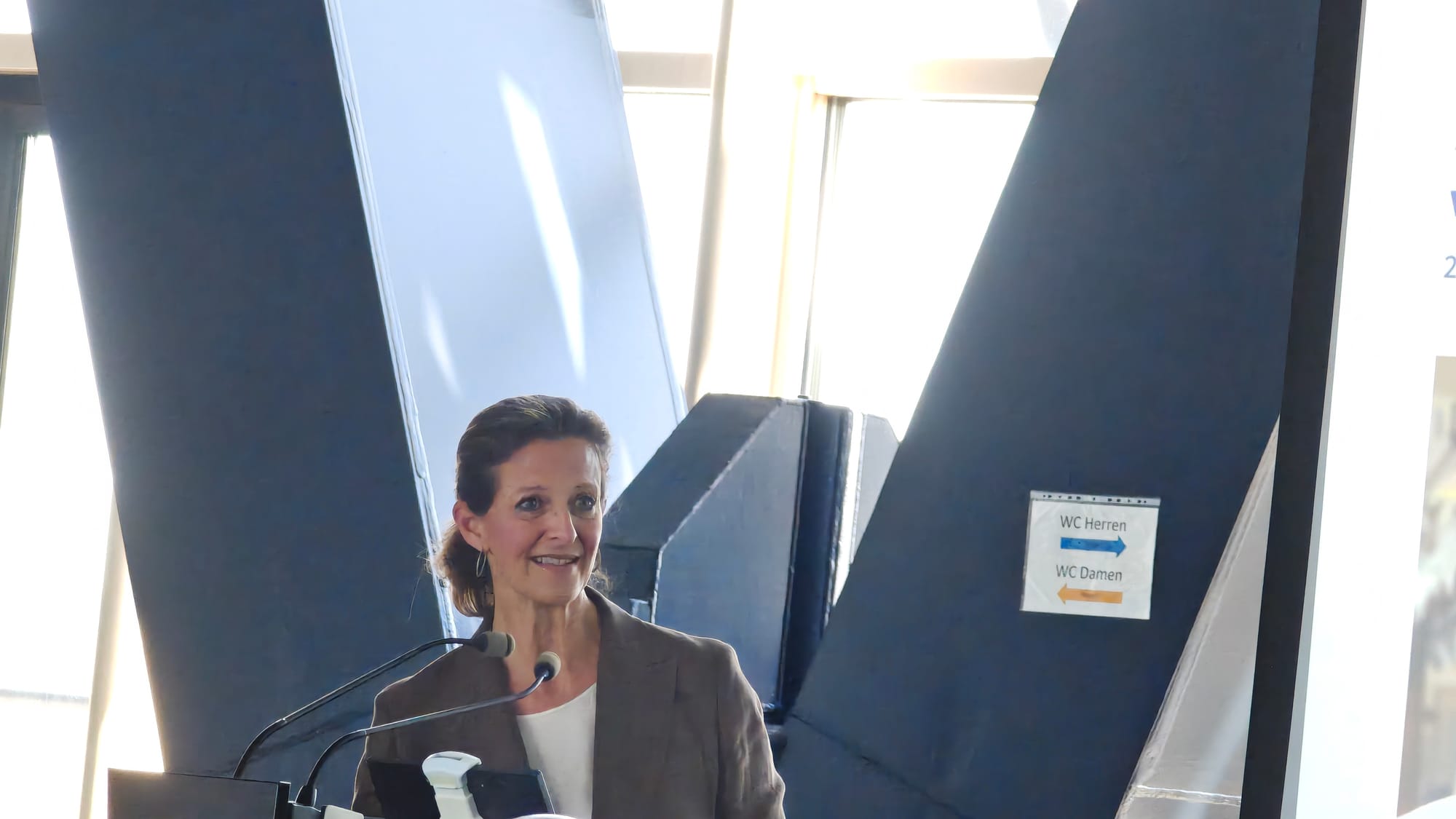
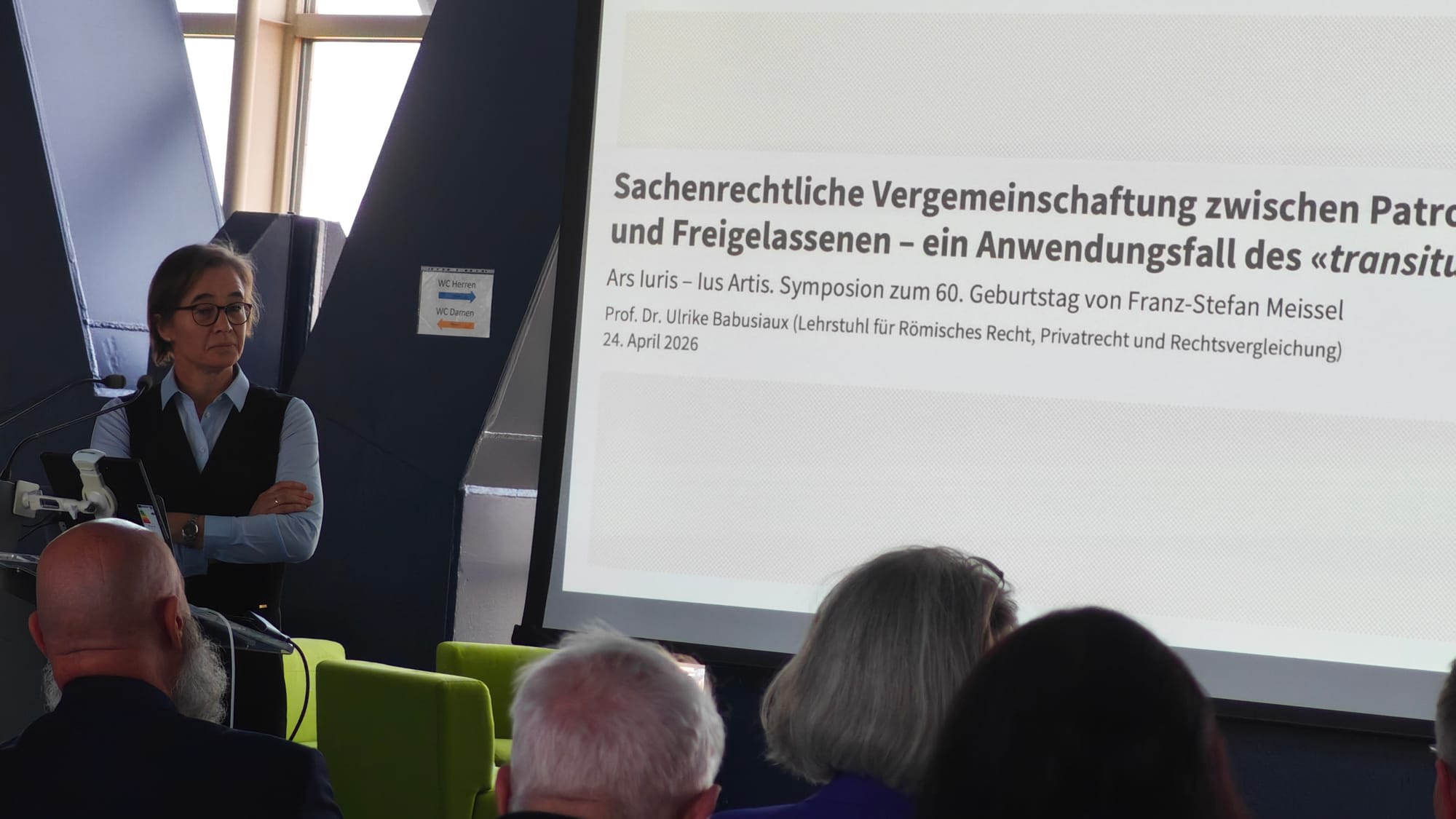
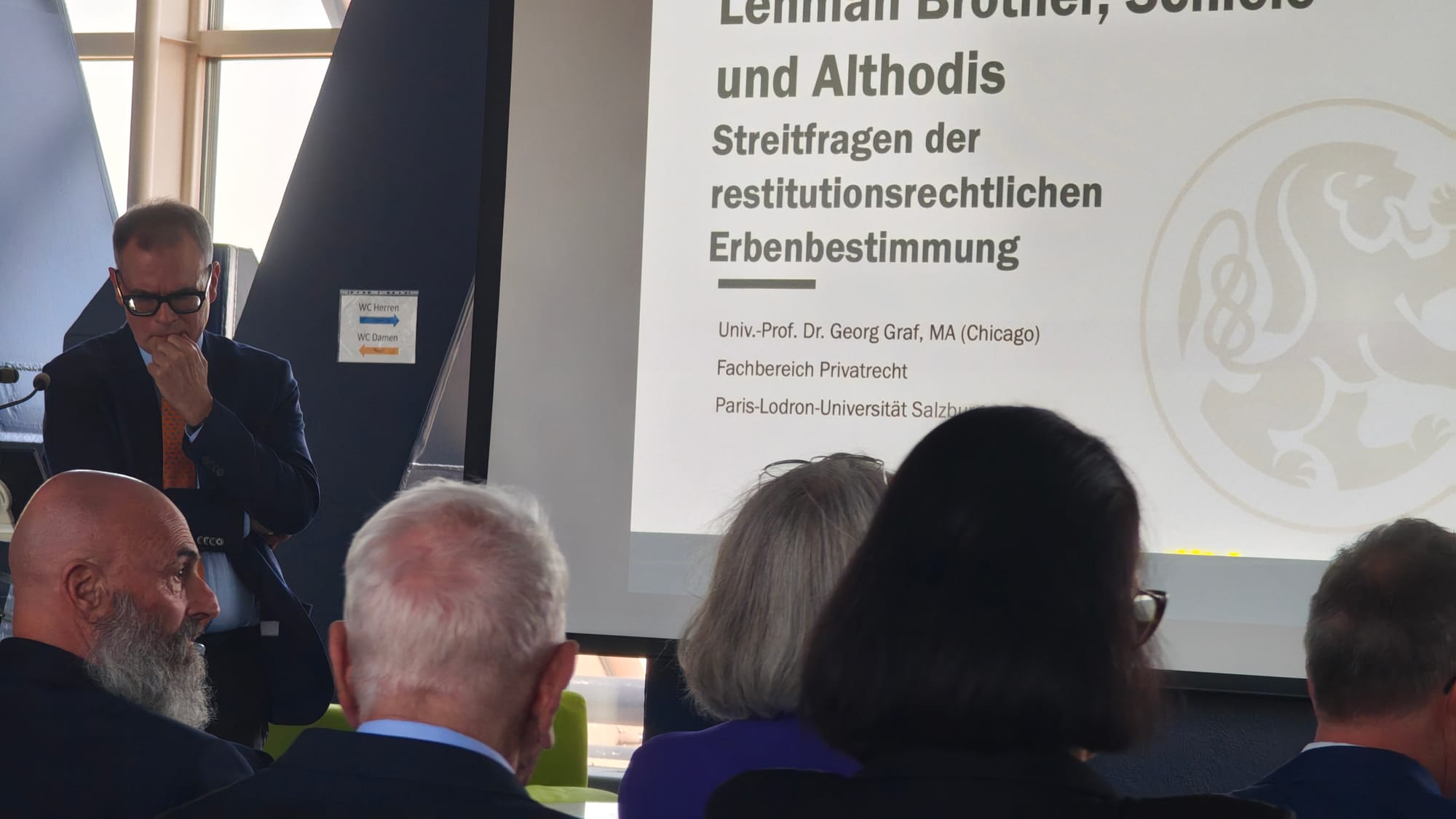
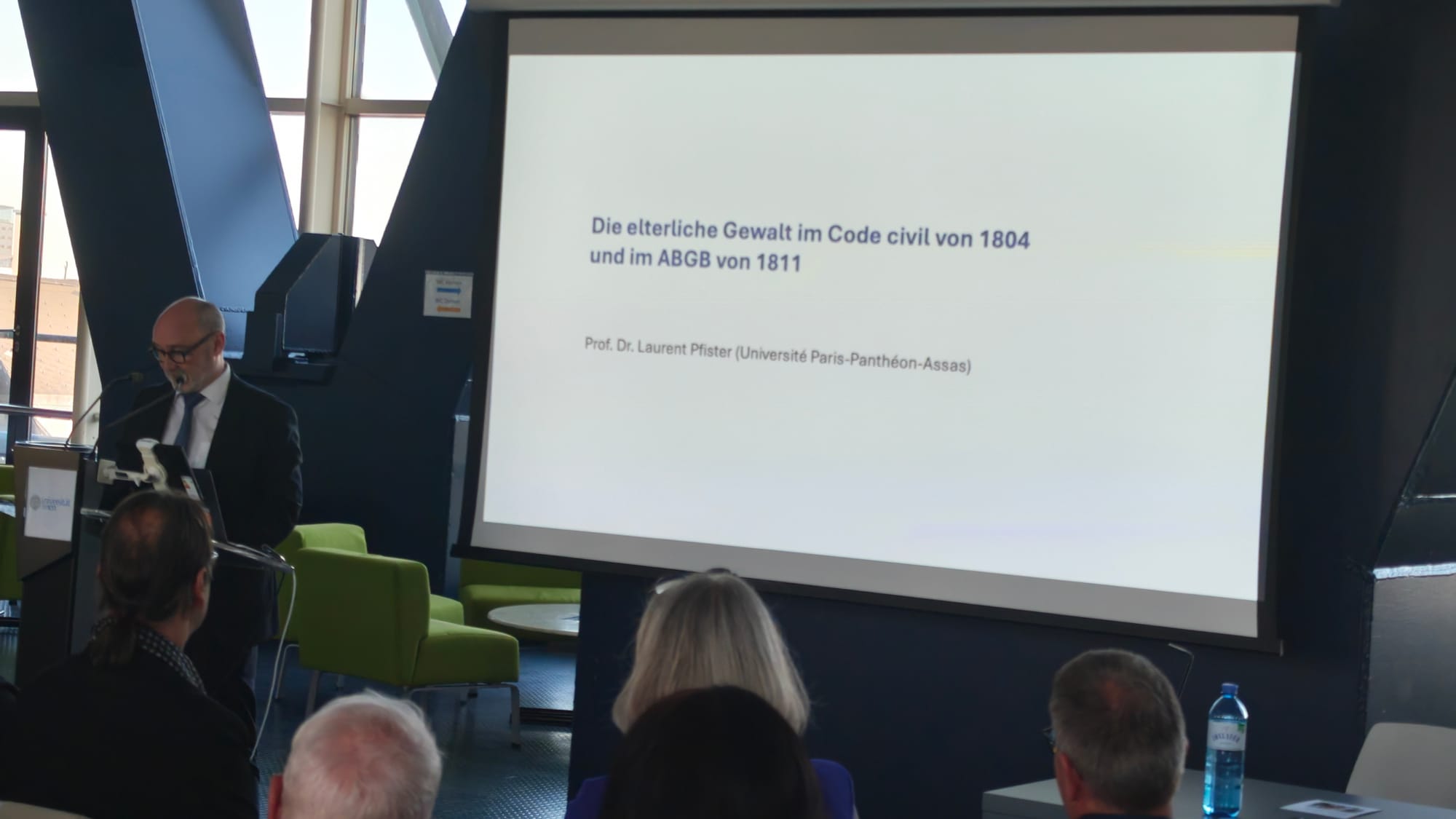
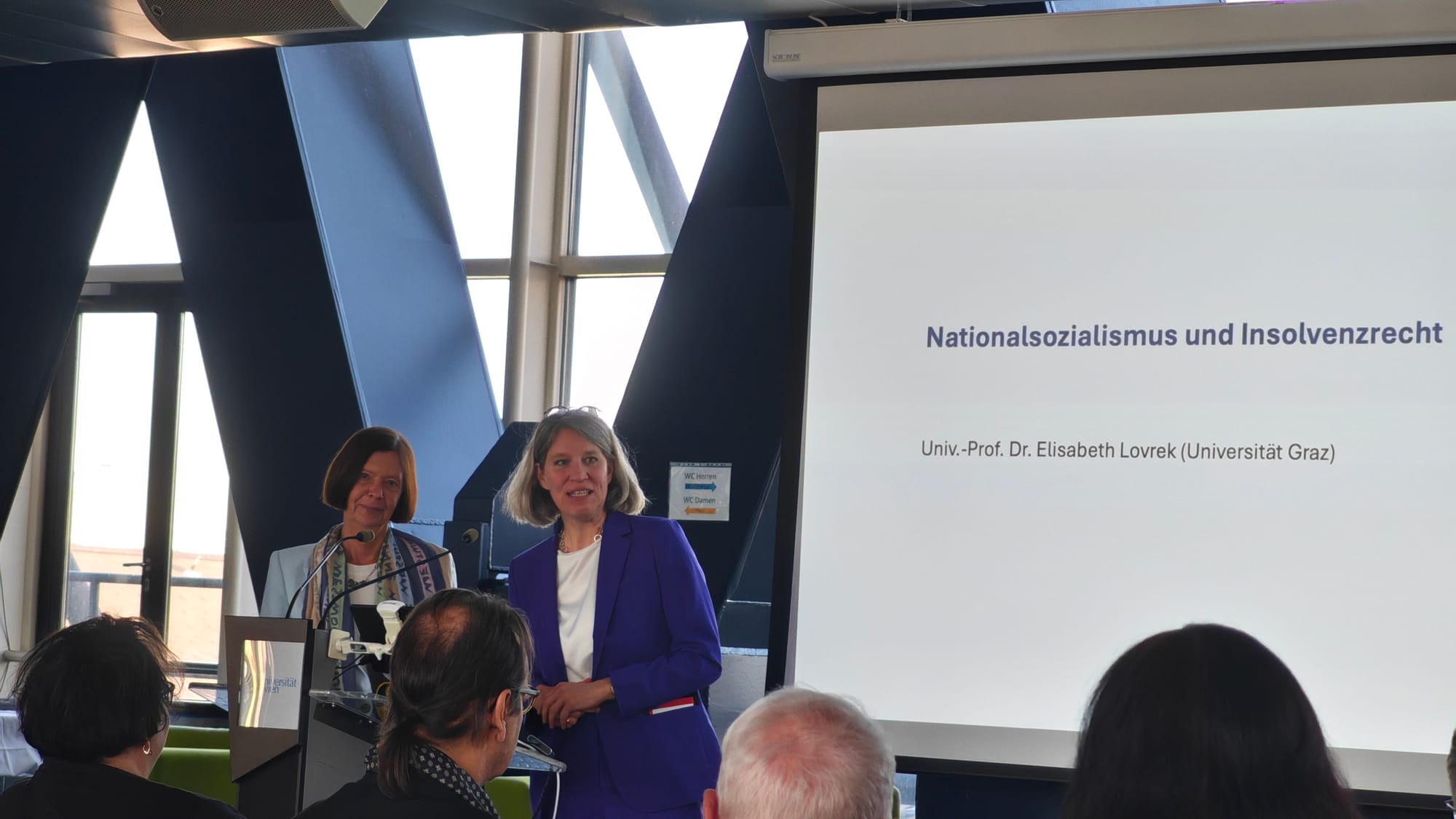
Franz-Stefan Meissel
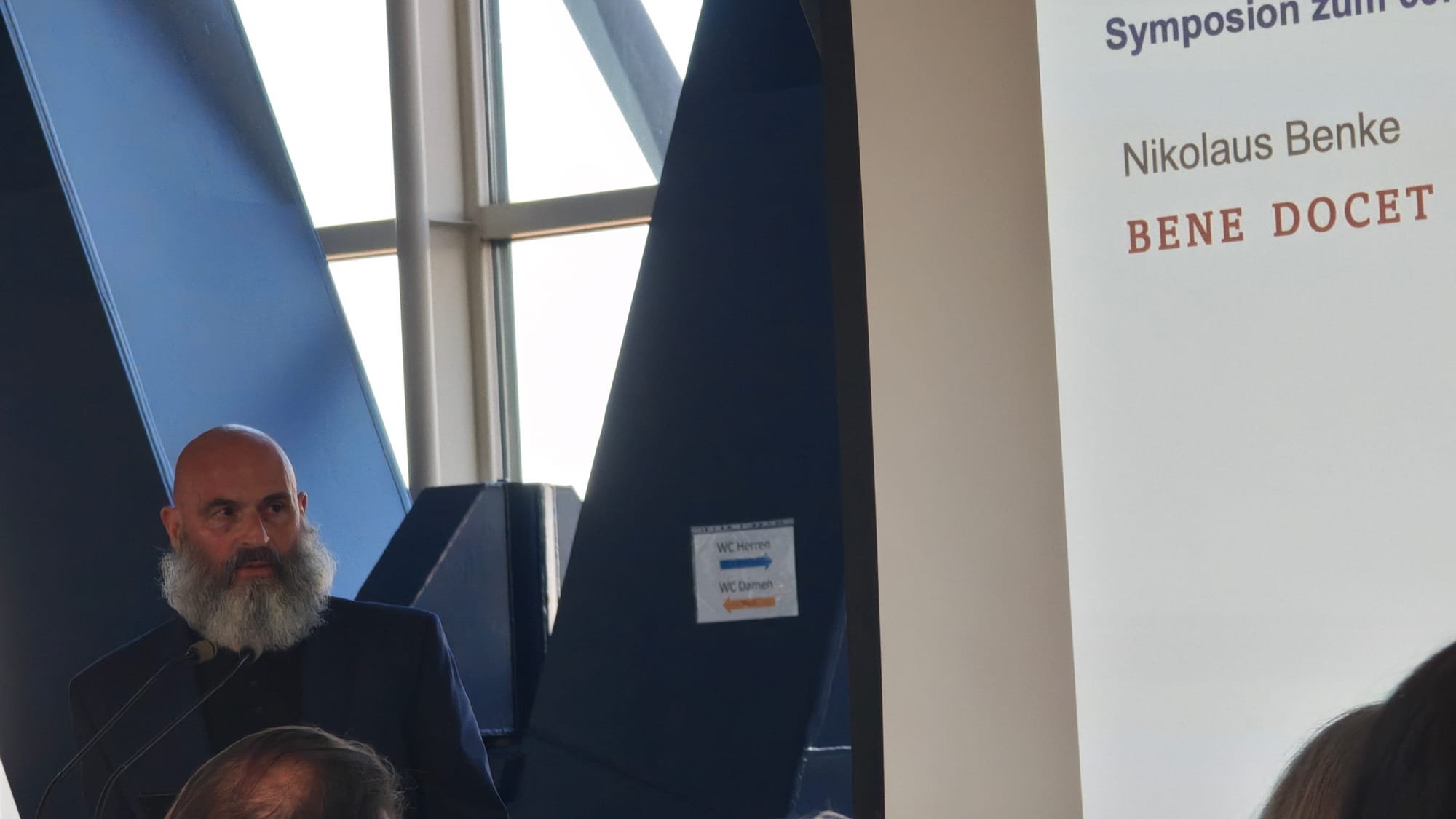
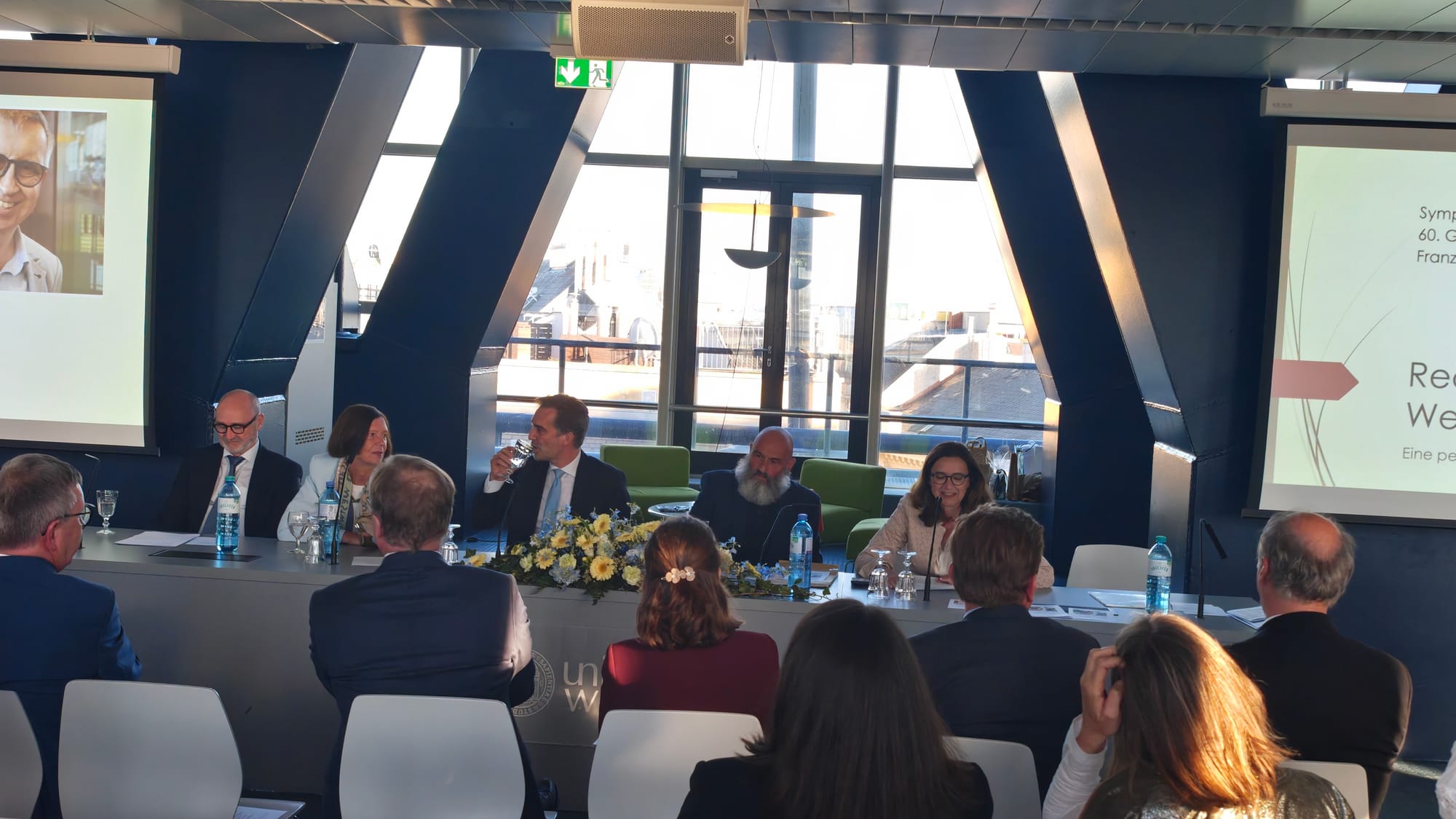
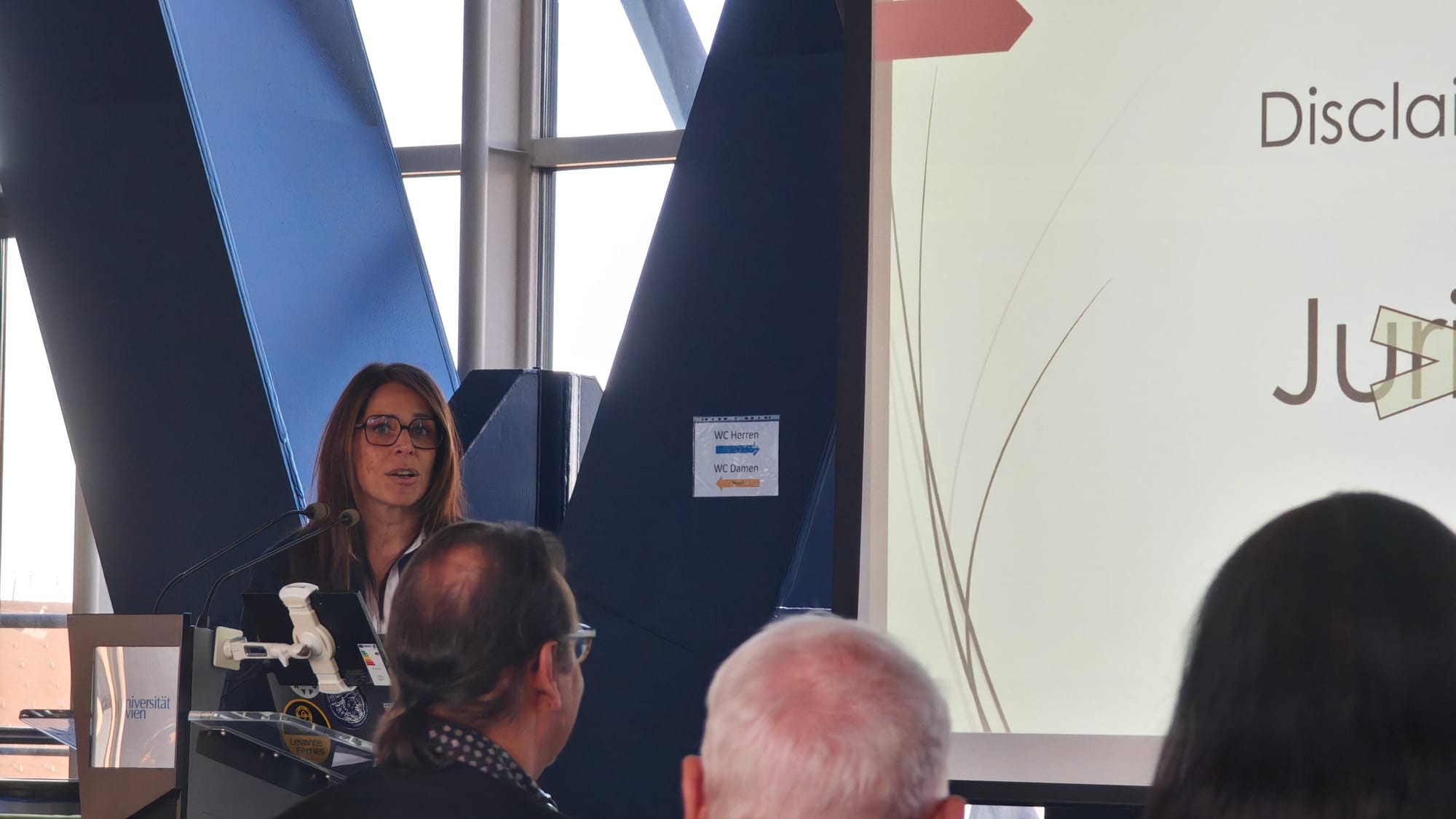
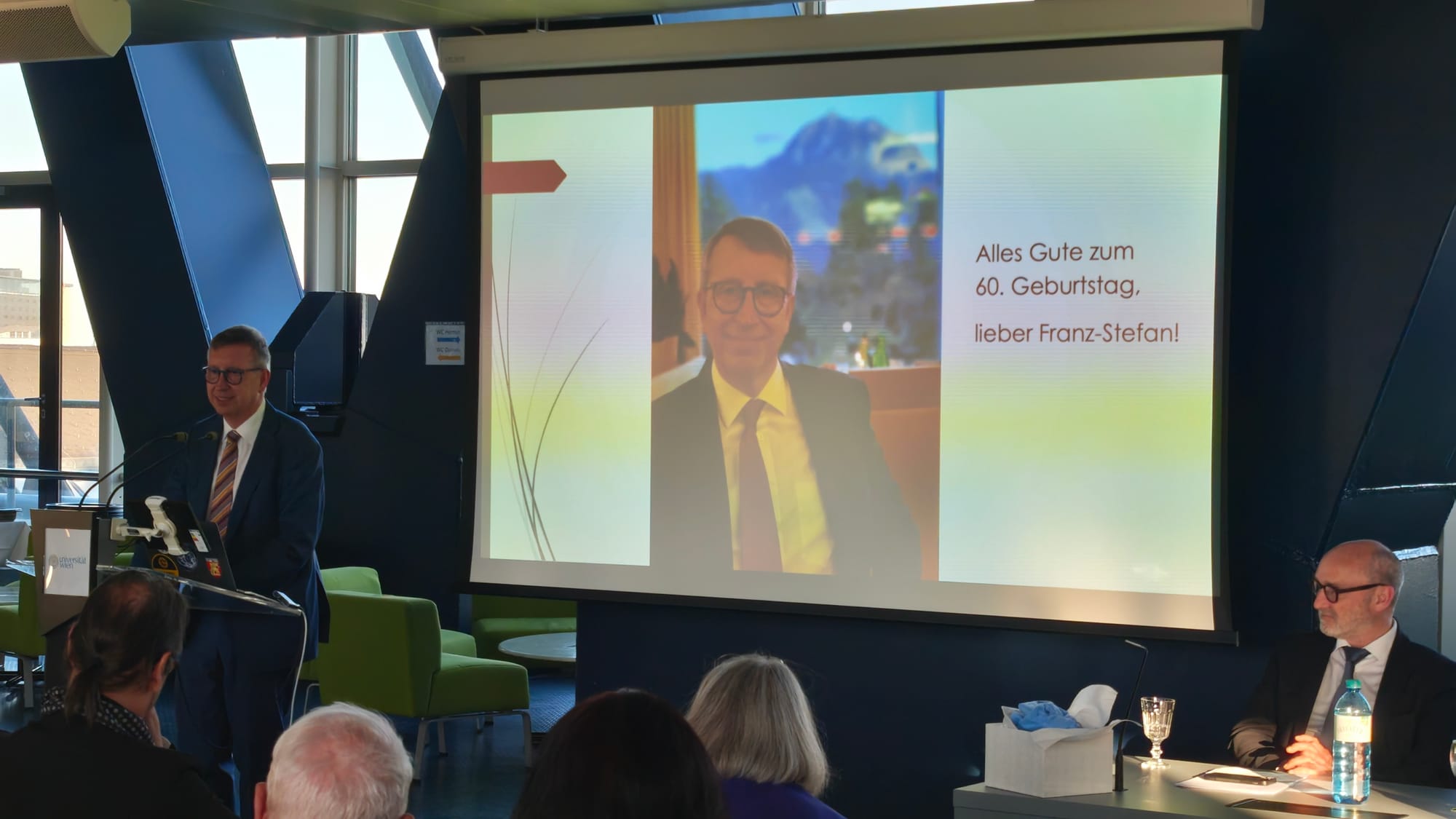
What a birthday party this was! So many friends, colleagues, admirers, students united in Juridicum's top floor, Friday all afternoon and evening!
Media Law Moot Court
UNIVIE's moot court team at the 2026 Monroe E. Price Media Law Moot Court Competition made us at the department very proud this year.
After advancing from the European Rounds in Paris, where the team was awarded Best Memorials in Europe, the team also achieved unprecedented success at the International Rounds held at the University of Oxford from 13 to 17 April 2026, competing against leading law schools from around the world. After winning all three preliminary matches, the team advanced to the Octo-Finals, placing among the top 16 teams globally for the first time in the team’s history. Moreover, the team received the award for Best Memorials worldwide, recognising the exceptional quality of their written submissions.
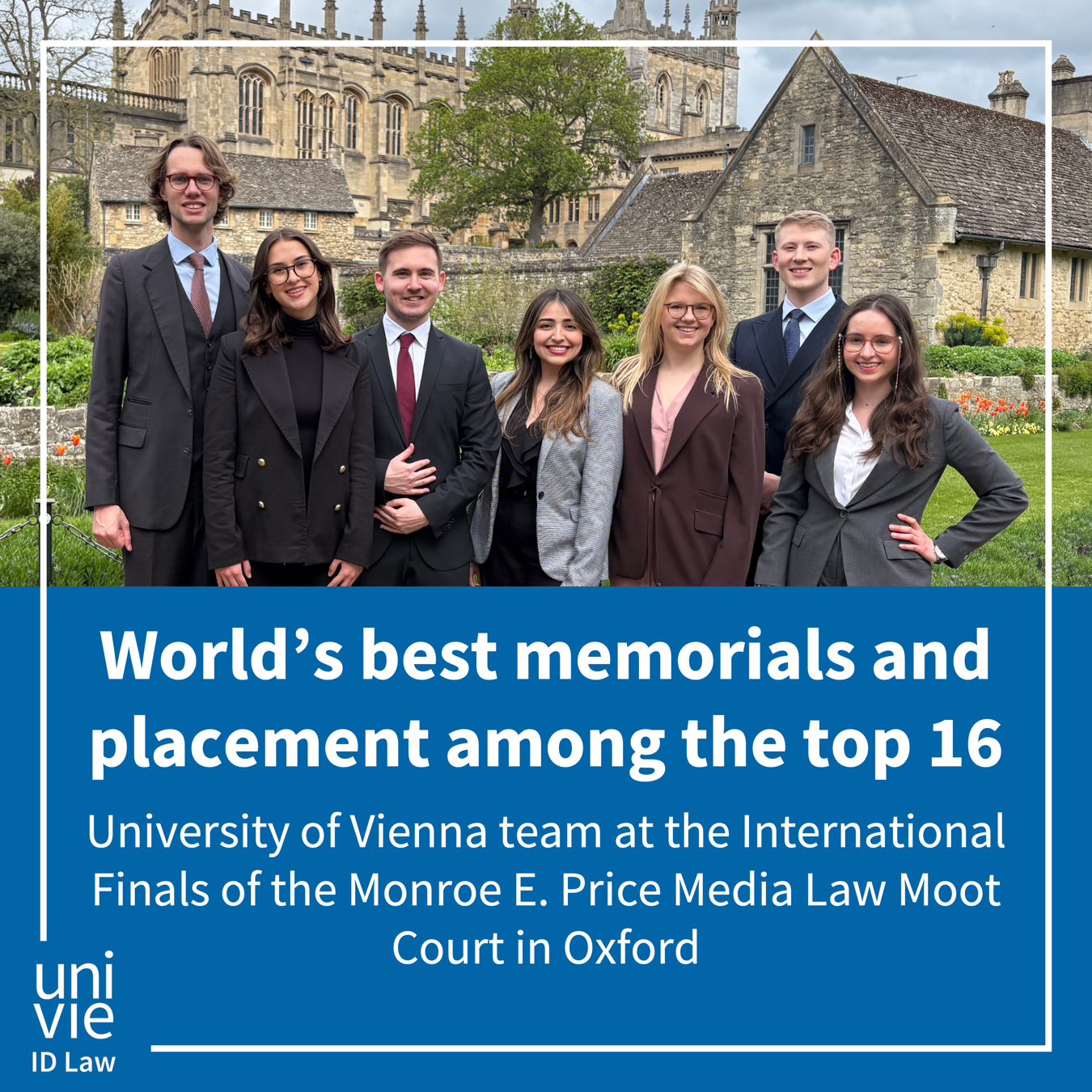
The names behind these outstanding achievements are team members Sarah Kermer, Melina Klambauer, Emily Koch, Sayla Saransig, Christian Stehlik, and Valentin Voith. The team was supported by quite some people from the department, in particular their coach Martin Tomus and "co-coach" Michael Schmidbauer.
#arsboni
Prof. Dr. Jens Meier gave a very instructive interview in the laundry on AI use in intensive care. I was, in particular, fascinated by the huge gap between amount of publications and amount of market-available solutions that help patients.
Dr. Andy Kaltenbrunner and Dr. Daniela Kraus presented their recent study on media funding in Austria (I was involved in too).
On the technical side, I experimented again with the light and I think that I like the outcome. The shadows are not too heavy, the skin color looks quite natural and there are no over exposures. The microphones are too heavy for their stands so that they always tend to sink - which is annoying. One can see this, in particular, with Andy's Mike and hear it from 2 noise episodes in which I fiddle around with mine off camera.
More on the study can also be learned, inter alia, in a TV report in Kulturmontag.

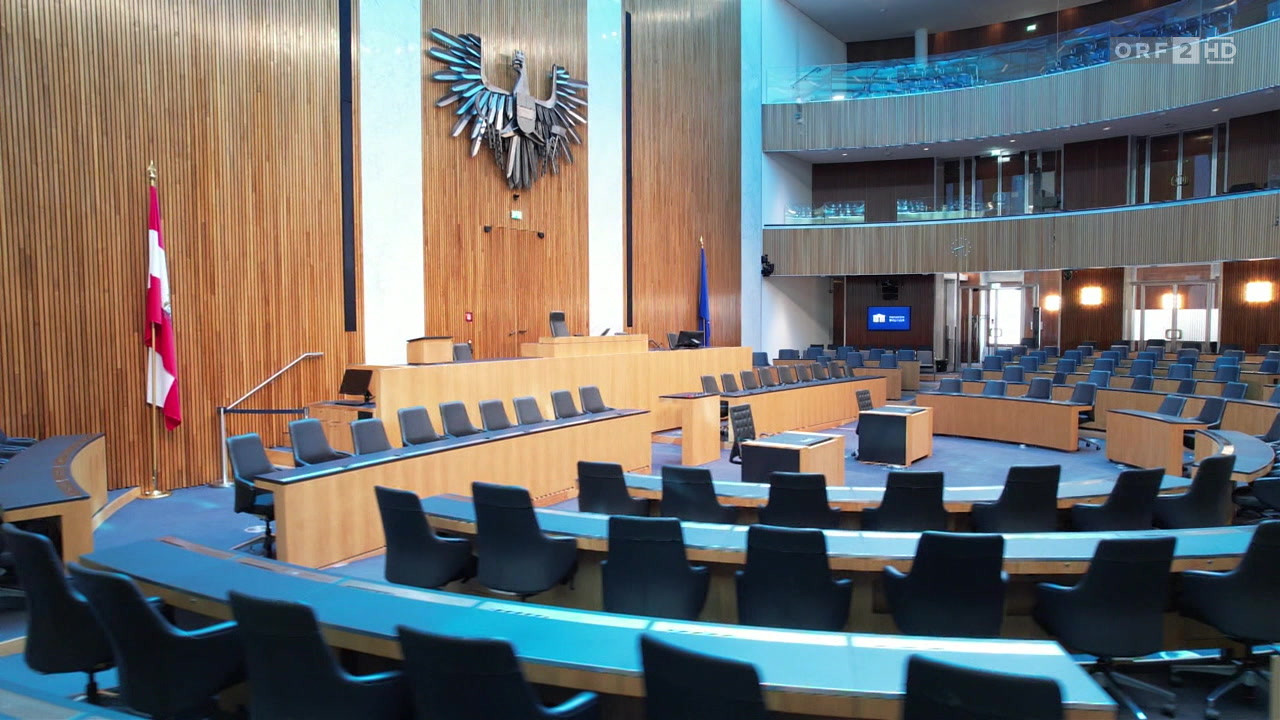
Unfortunately, this report is, in my view, despite its length, however a typical example for "He-Said-She said Journalism"- The report sets a fully published 183 pages academic study, written by a team of academics and domain experts in several months of intense work and collaboration, in full context with an unpublished (!) report, written by one individual, commissioned and presented by a political Think Tank ("Campus Tivoli"), affiliated with a political party. The only factor that these two things have in common is that they were presented to the public almost simultaneously - which is, obviously. not a coincidence.
The published paper on this second "study" (?) has 12 pages (and a list of abbreviations) and looks like this:
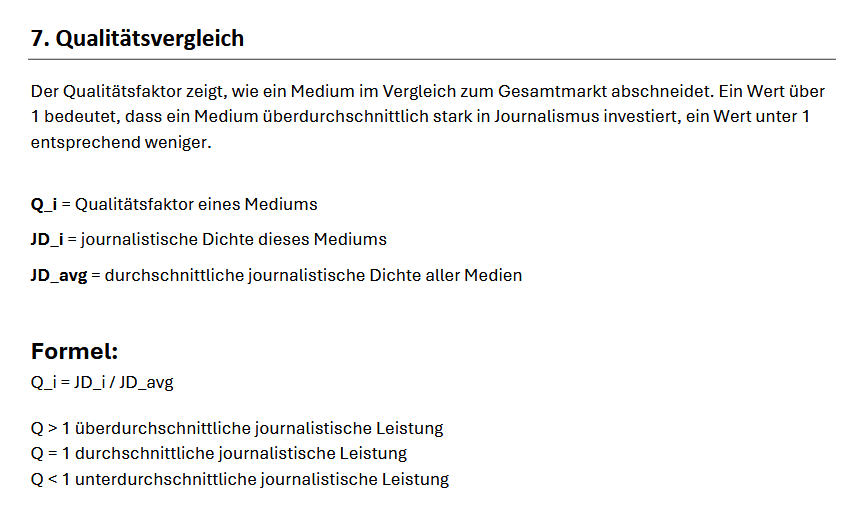
Although I might be biased here, I still believe that a TV program mentioning both papers somehow equally as if they were on the same playing field compares, at its best, very much apples to oranges.
Alfred J. Noll
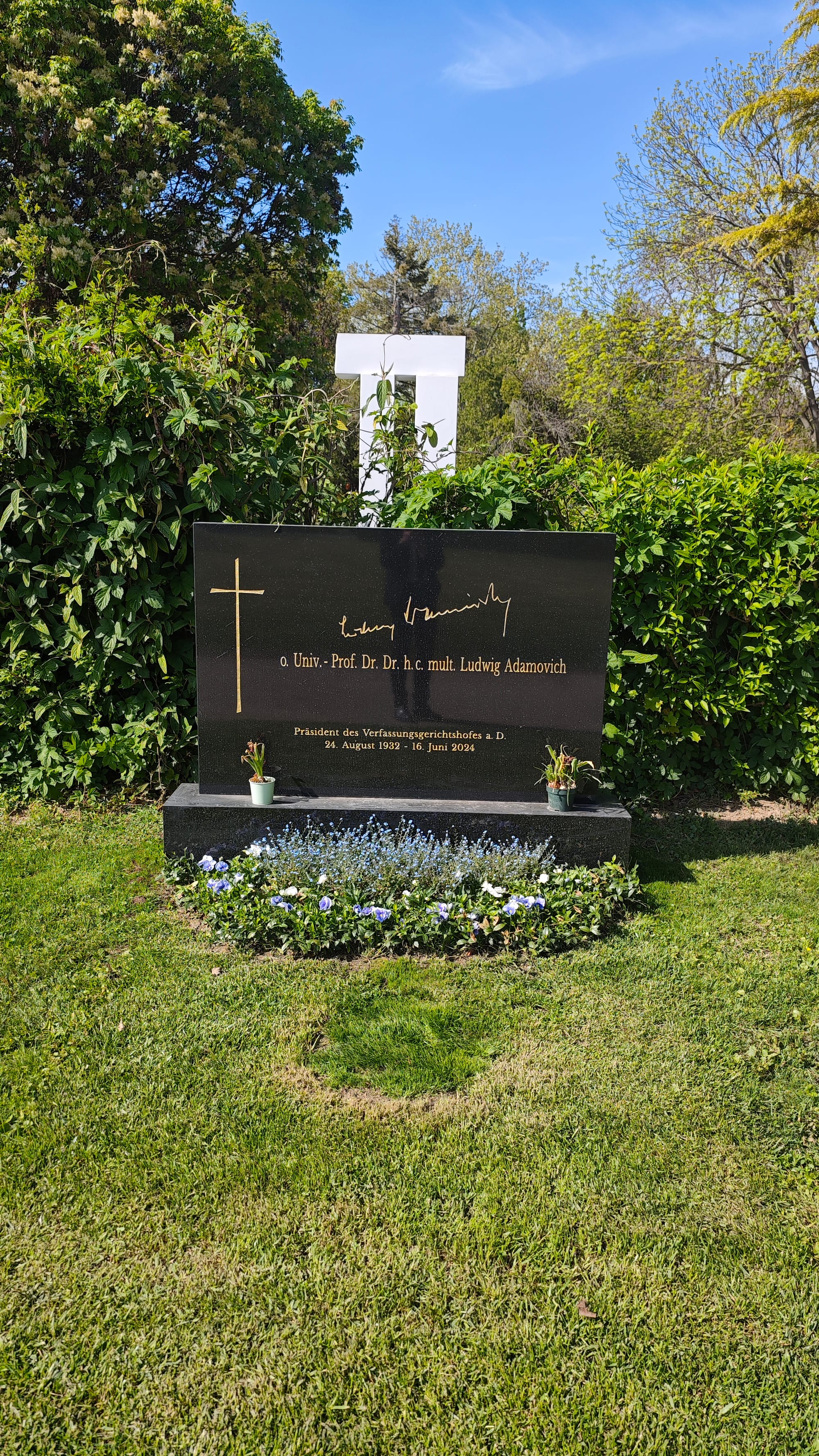
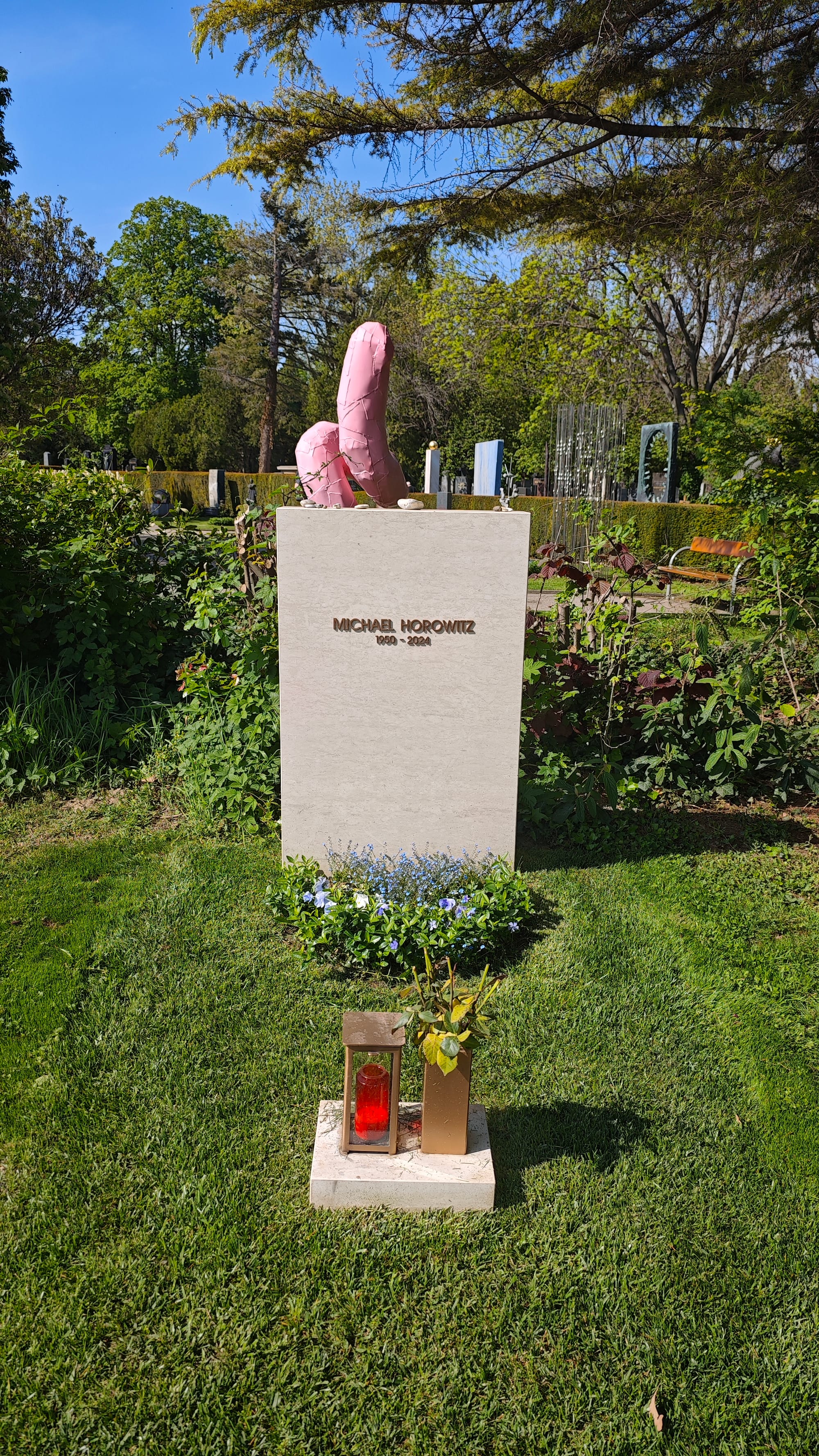
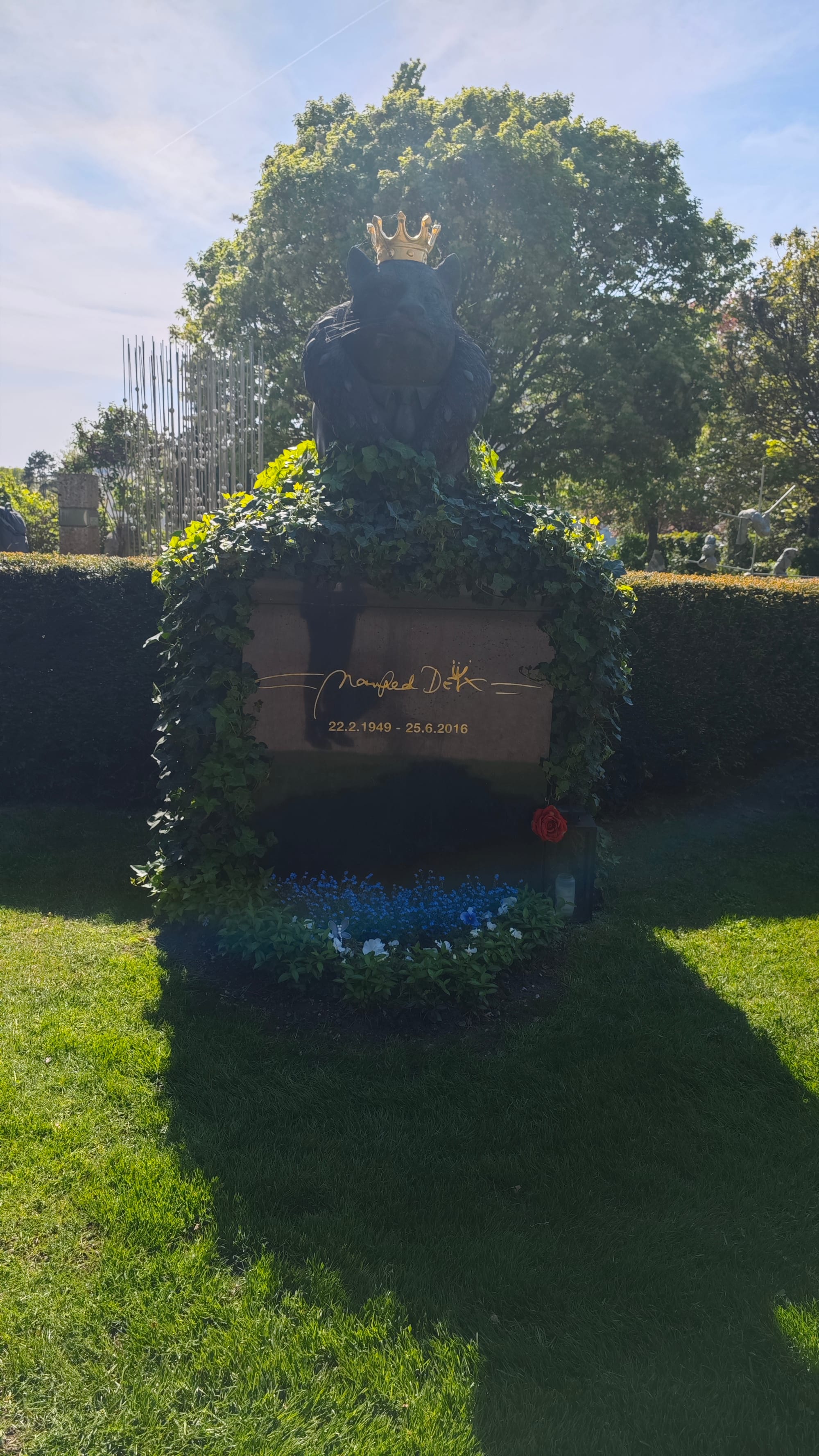
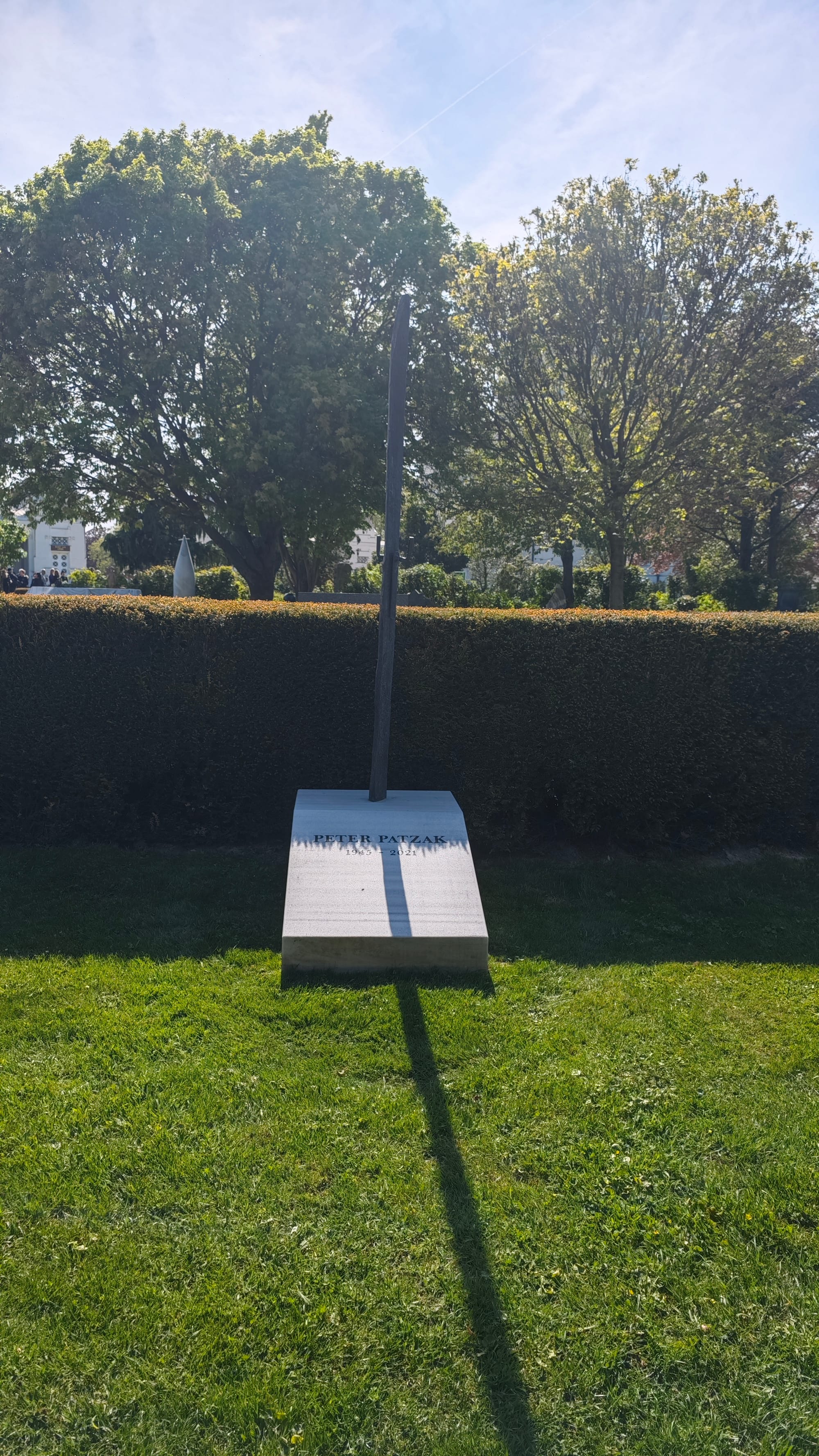
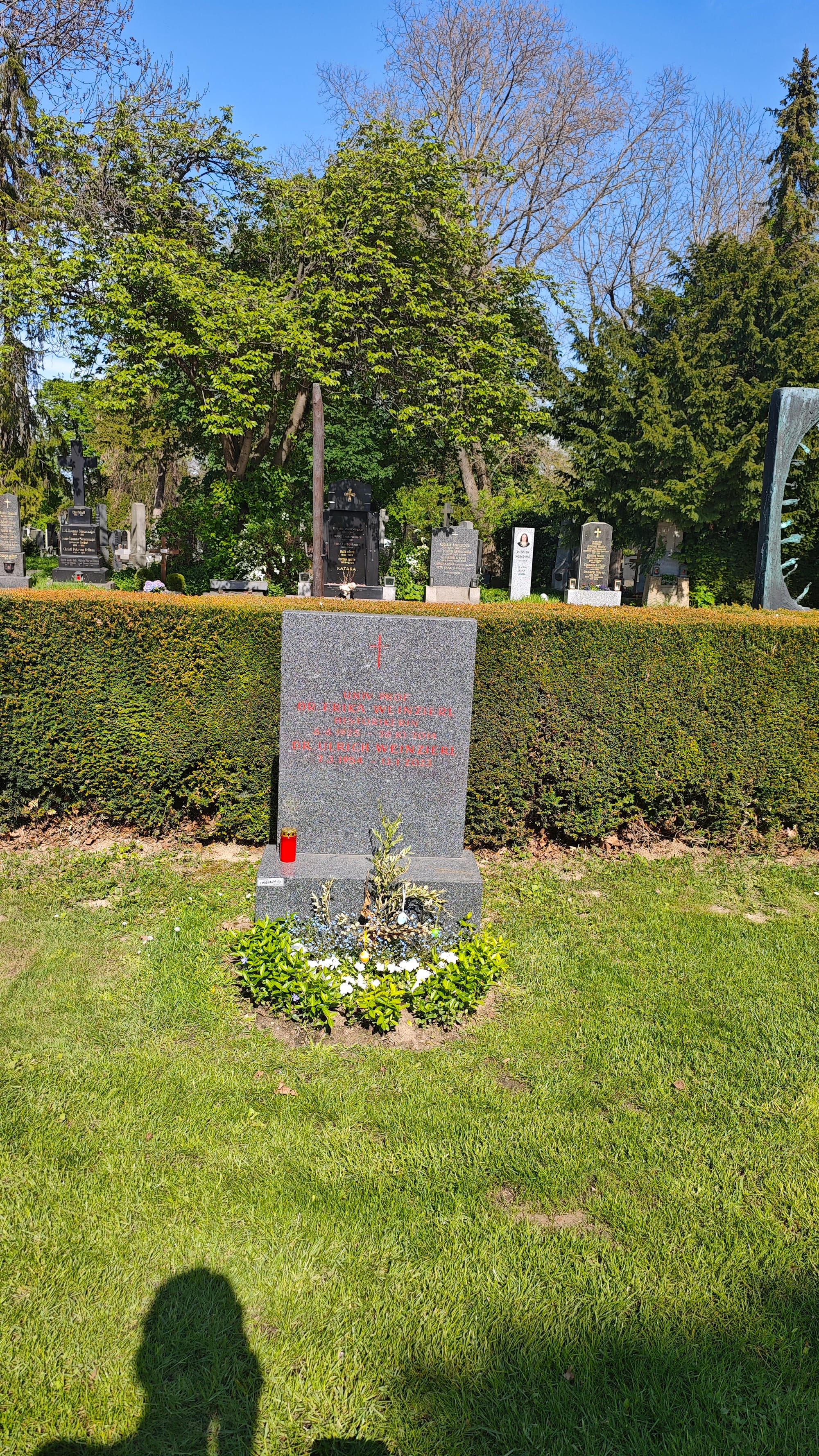
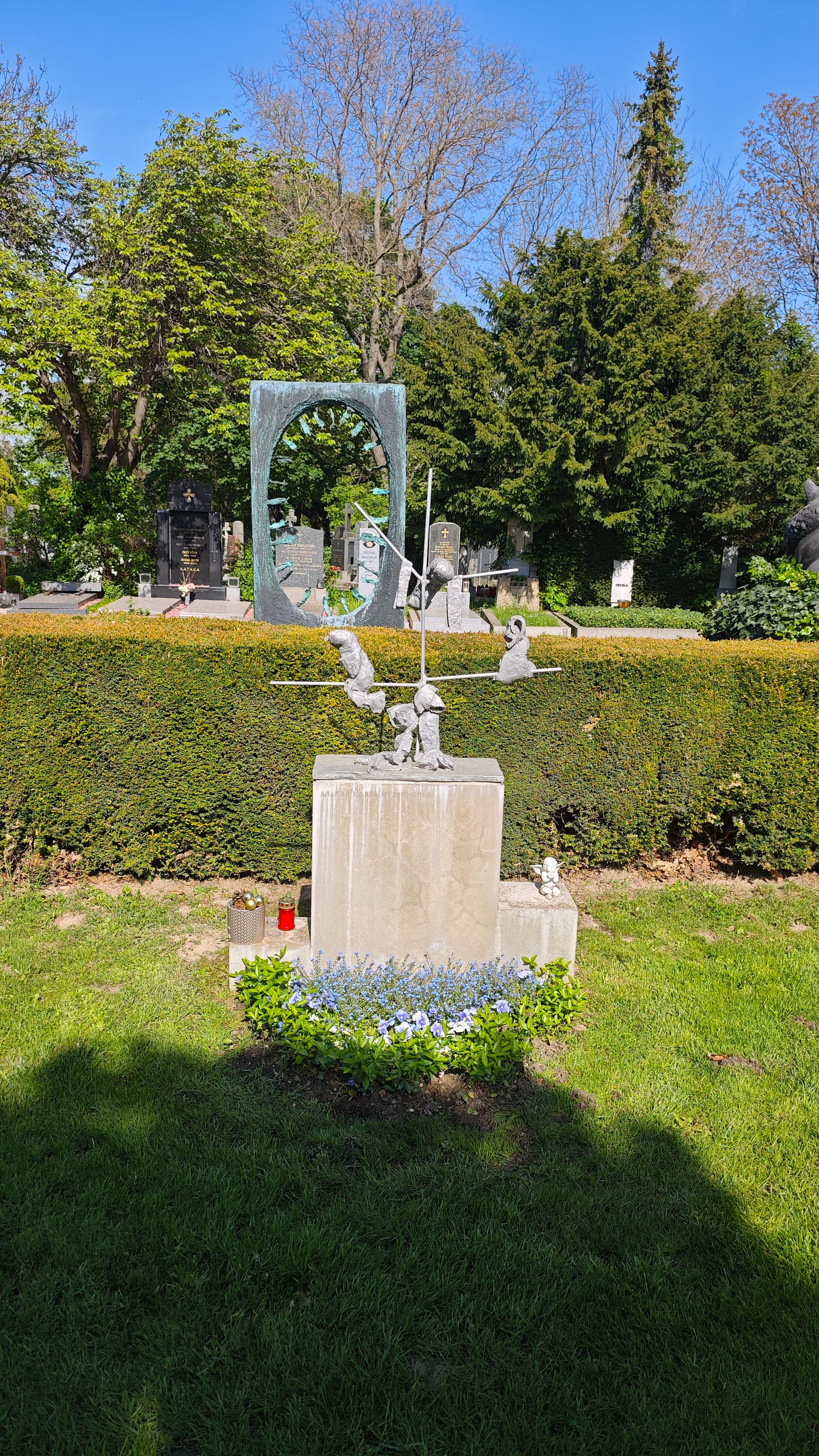
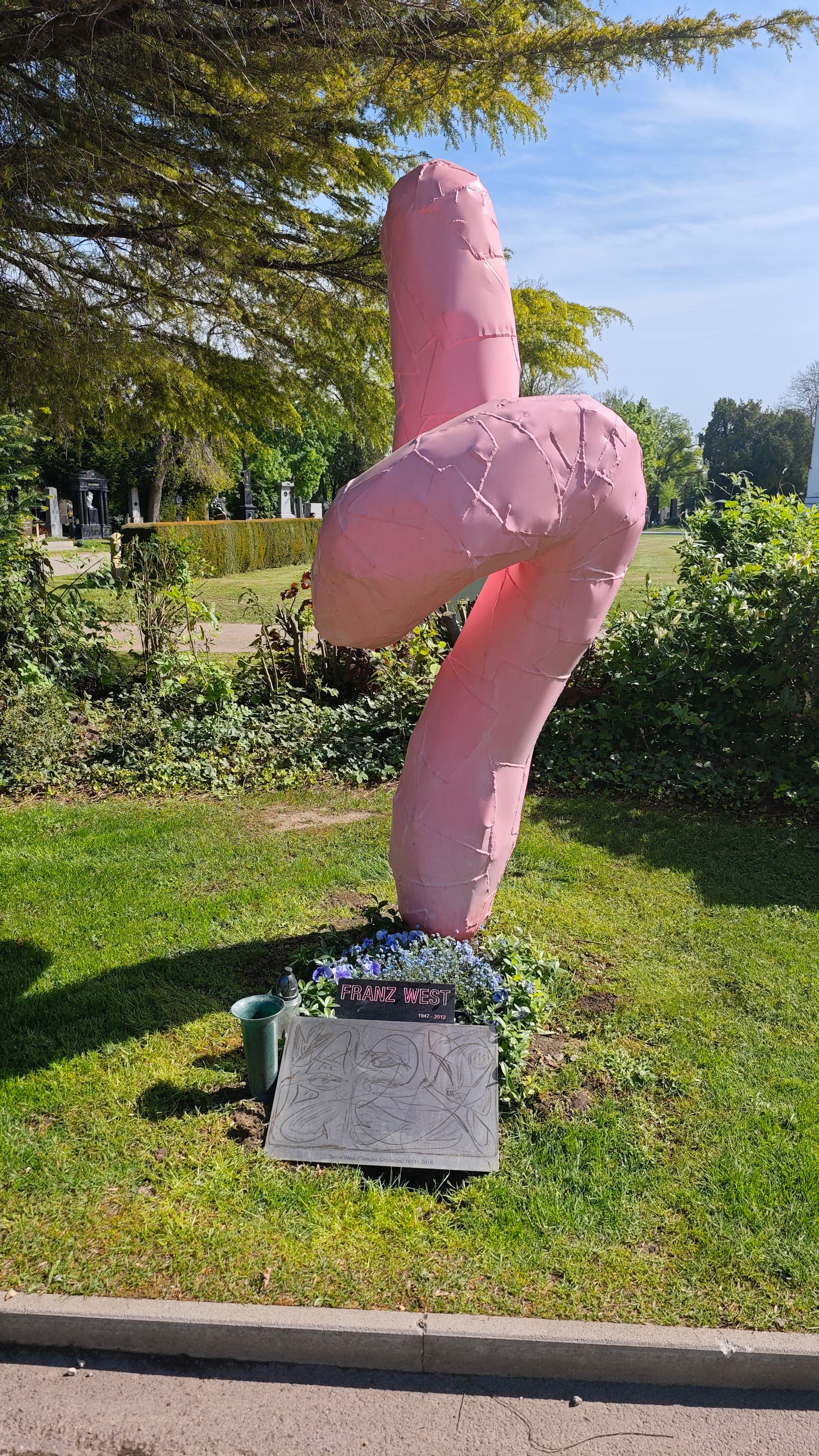
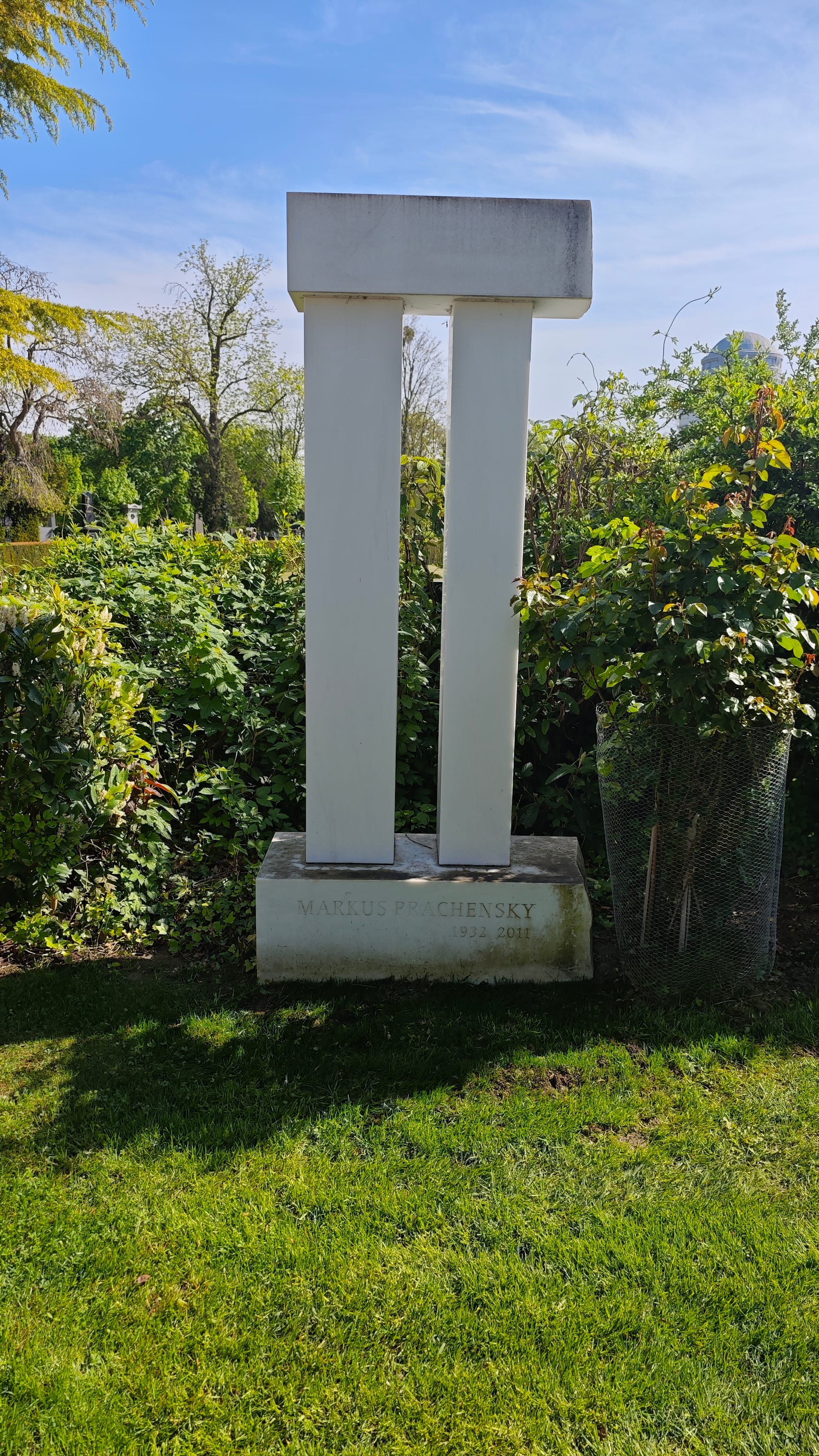
Alfred was buried on Tuesday in a very moving and touching funeral. I believe he would have liked the ceremony and the size, colorfulness and diversity of the group joining him on this journey. And I am quite sure that he would appreciate the neighborhood of where he is resting now.
Prospect
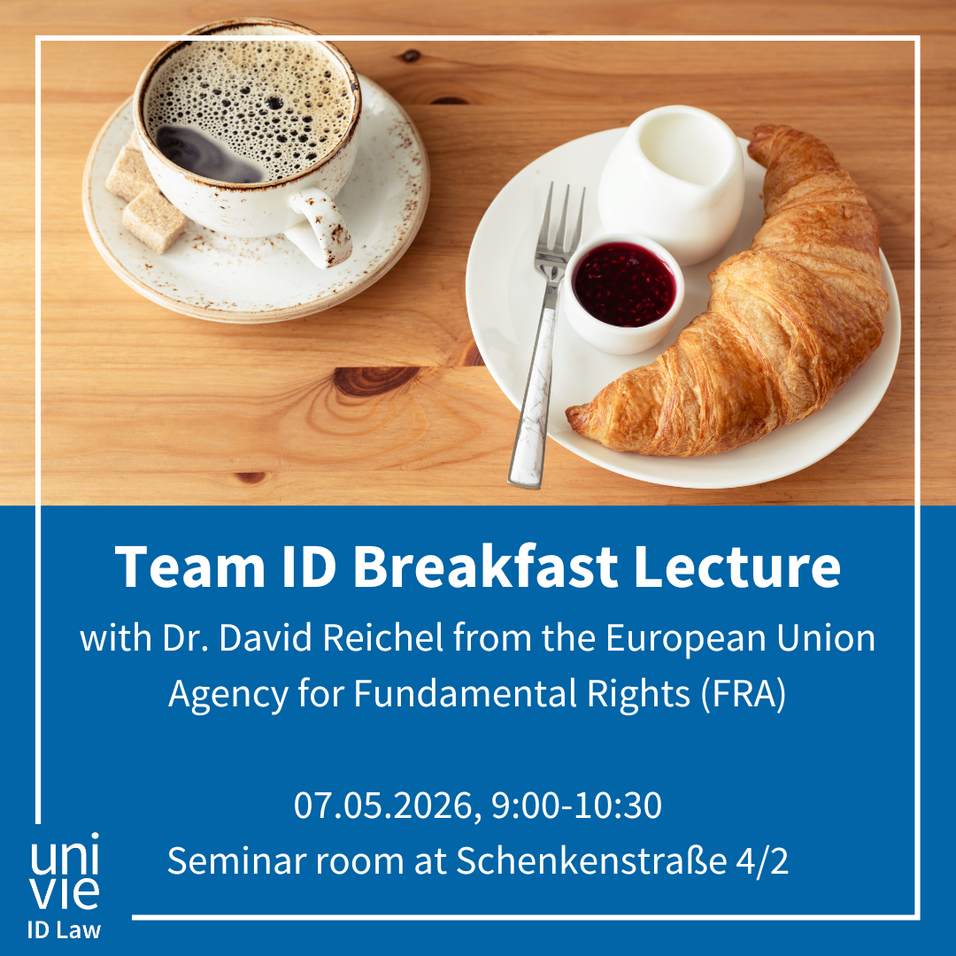
Team ID Breakfast Lecture
Dr. David Reichel from the European Union Agency for Fundamental Rights (FRA) will speak and present the findings of FRA's report, Assessing High-Risk Artificial Intelligence: Fundamental Rights Risks.
The lecture will take place in the Seminar room at the Department of Innovation and Digitalisation in Law at Schenkenstraße 4, floor 2 on 7. May 2026, from 9:30 until 10:30. While the session is primarily intended for academic staff, it is not limited to participants from the Law Faculty and we encourage anyone interested to join us.
More info here, registration requested, free entry, no stream.
Copyright
The Vienna Legal Literacy Project will do an episode on copyright that I will host technically on Wednesday, 6th of May, at 19.00 CET.
Look and Feel
Cars and Cities
Following up on last week's discussion of car traffic in cities, I found a very interesting illustration on Reddit (Reddit is really an unbelievably rich source and a universe on its own - there's also lots of relevant critical debate on the article's methodology in the comments), having a very telling illustration on car dependency in different large cities.
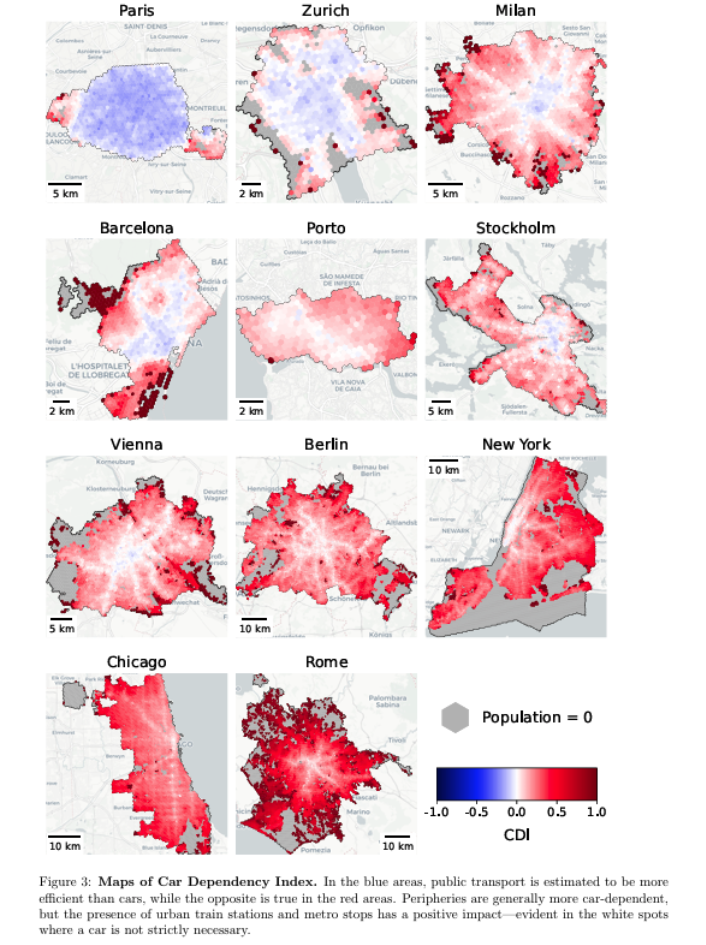
The origial source has a city ranking as well:
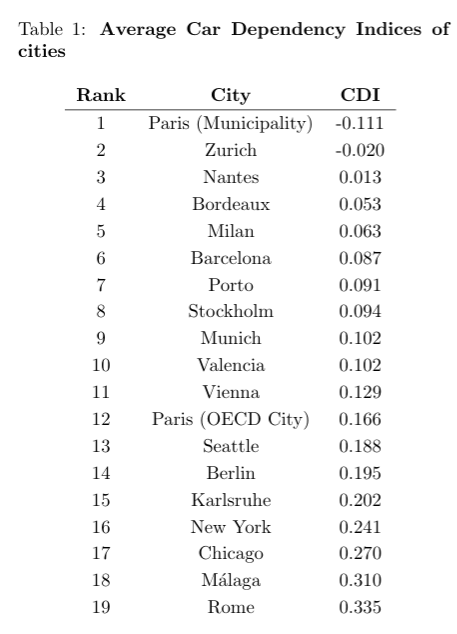
Vienna is below average. :-( . Digging a little deeper into the impressive Paris example and the reason why it appears twice, I also stumbled upon an OECD-document explaining what makes a city an city and differentiating it from commuting zones or urban centres.
Ernst Lubitsch: Die Austernprinzessin
I attended another combination of a classic silent movie with live music on Wednesday evening: Die Austernprinzessin, a silent movie directed by Ernst Lubitsch in 1919, was set to music and performed by Martin Matalon. This is part of a concert subscription in Konzerthaus:
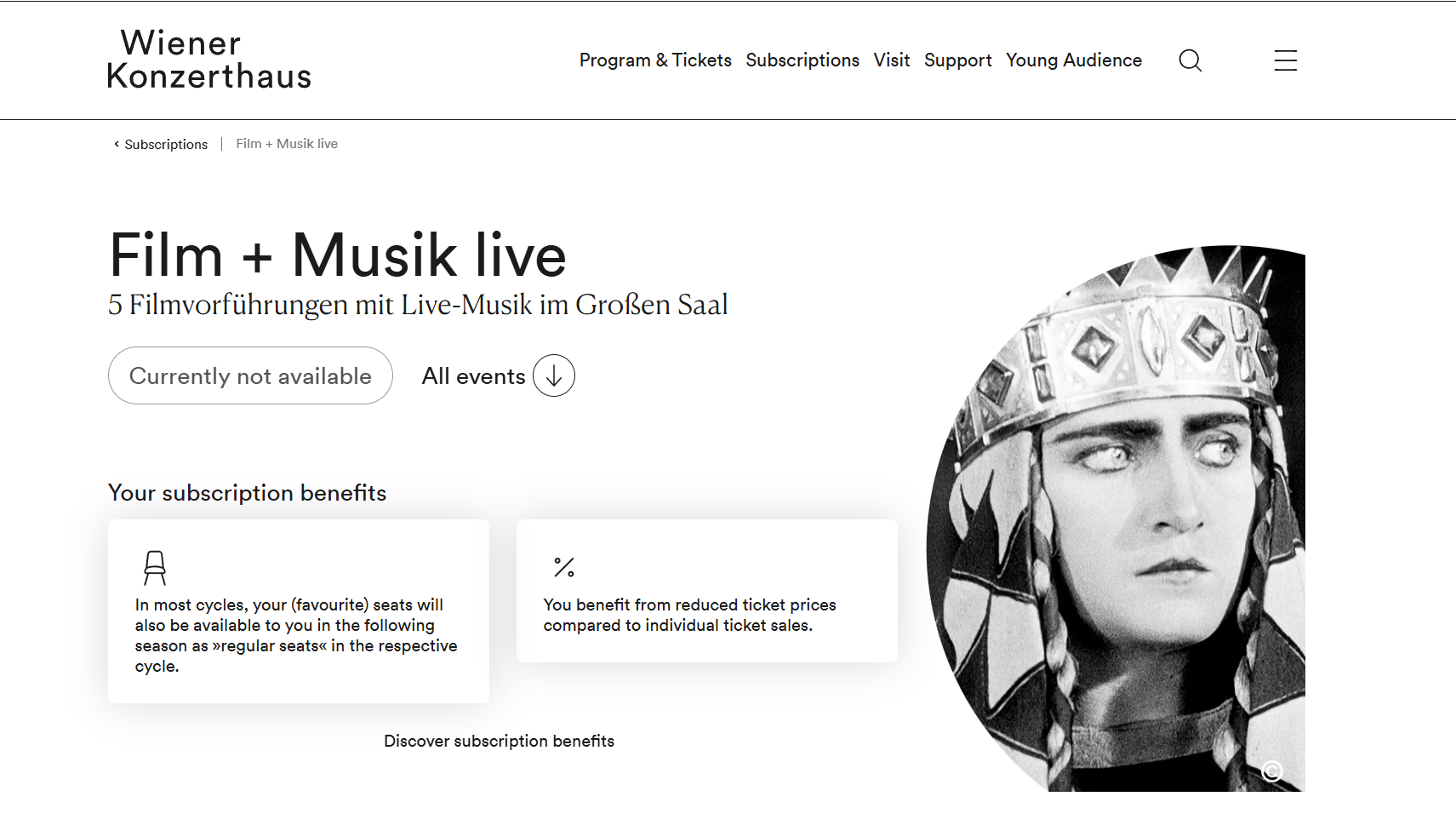
Actors didn't have perfect (artificial) teeth back then, Ossi Oswalda was at her peak, the film props were obviously fake and the plot didn't even try to pretend to have anything to do with reality
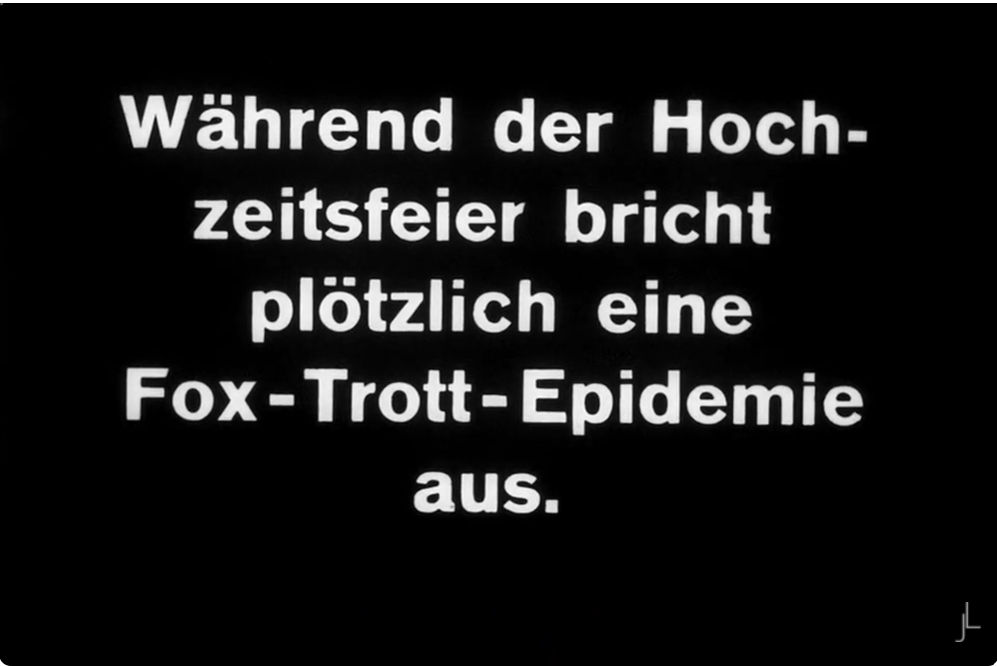
The full film (with different, yet more lively music) is on YouTube - for whatever reason.
The German Film Institute, DFF, organised a video essay/performace on the film, performed by Kevin B. Lee, in 2017 that is unfortunately not online "for copyright reasons" - but at least the intro and outro debate can be found on YouTube:
Have a wonderful week and take care of yourself!
Kind regards
Nikolaus (Forgó)